Once a year, a colonial town in the hills of Goiás restages a medieval war on horseback — then gives its streets over to masked riders dressed as oxen and ghosts. Words and photographs from the Cavalhadas of Pirenópolis, where the Middle Ages never quite ended.
Uma vez por ano, uma cidade colonial nas serras de Goiás reencena uma guerra medieval a cavalo — e depois entrega suas ruas a cavaleiros mascarados vestidos de boi e de assombração. Texto e fotografias das Cavalhadas de Pirenópolis, onde a Idade Média nunca terminou de vez.
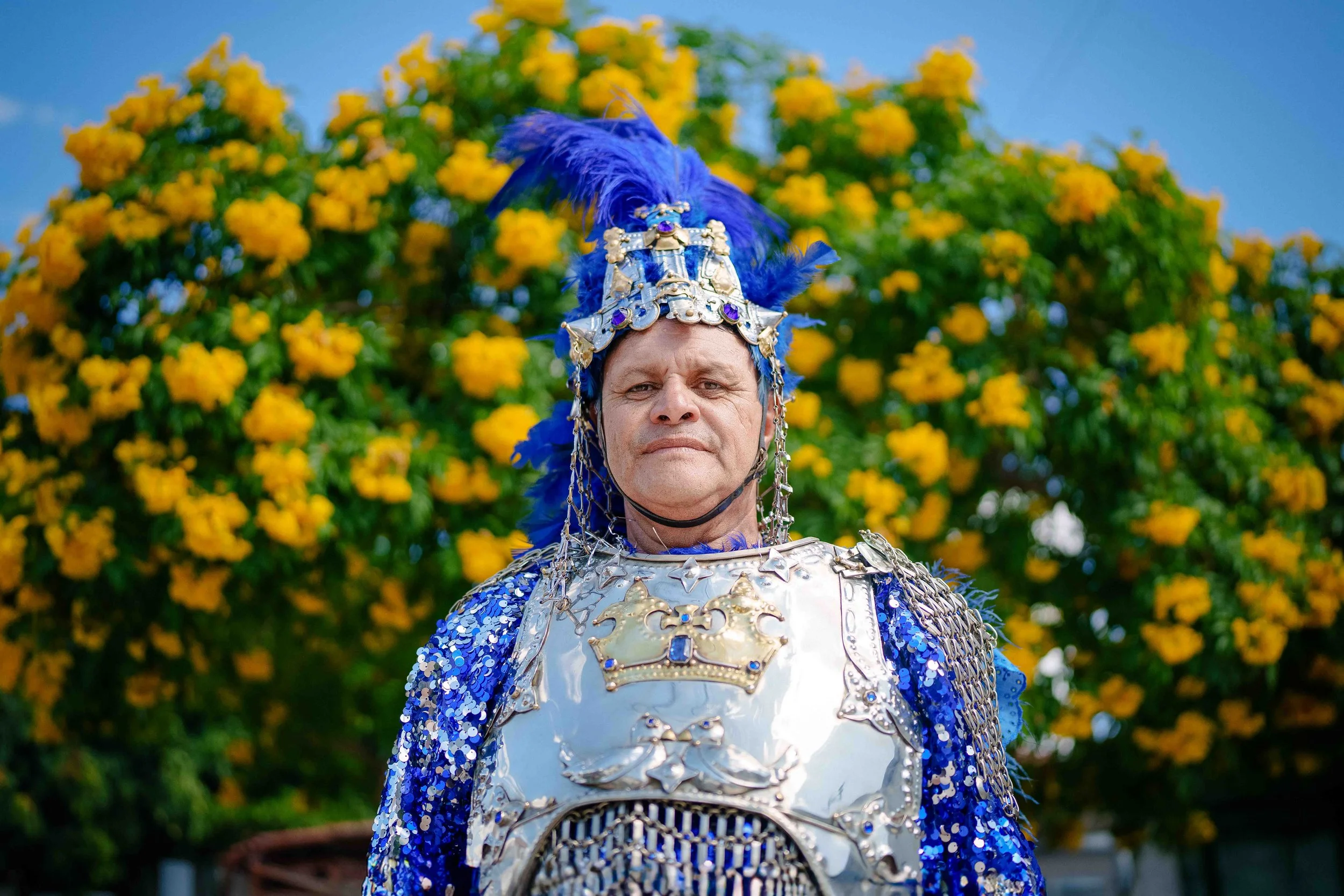
There is a road that leaves Brasília's monumental modernism behind and, in a little under two hours, sets you down in the eighteenth century. At the end of it sits Pirenópolis — a colonial gold town folded into the hills of Goiás — and once a year, around Pentecost, it does something far stranger, and lovelier, than nostalgia. It stages a medieval war.
Há uma estrada que deixa para trás o modernismo monumental de Brasília e, em pouco menos de duas horas, deposita você no século XVIII. No fim dela está Pirenópolis — uma cidade colonial do ouro, encravada nas serras de Goiás — e, uma vez por ano, lá pelo Pentecostes, ela faz algo bem mais estranho, e mais bonito, do que nostalgia. Encena uma guerra medieval.
I drove up last May, while we were living in Brasília, half for the spectacle and half for a question I couldn't shake: why would a town in the Brazilian cerrado, five centuries and an ocean from medieval Iberia, give over the better part of a year to re-fighting a war between Christians and Moors? The answer, I'd learn, is that the battle is almost beside the point. The festival's real life is in the streets — in the procession, in the slow dressing of a knight, and above all in the masked riders who ended up taking over nearly every frame I shot.
Subi de carro em maio passado, quando ainda morávamos em Brasília, metade pelo espetáculo e metade por uma pergunta que não me saía da cabeça: por que uma cidade do cerrado brasileiro, a cinco séculos e um oceano de distância da Ibéria medieval, dedicaria boa parte do ano a reencenar uma guerra entre cristãos e mouros? A resposta, eu viria a descobrir, é que a batalha é quase o de menos. A vida verdadeira da festa está nas ruas — na procissão, no lento vestir de um cavaleiro e, acima de tudo, nos cavaleiros mascarados que acabaram dominando quase todas as fotos que fiz.
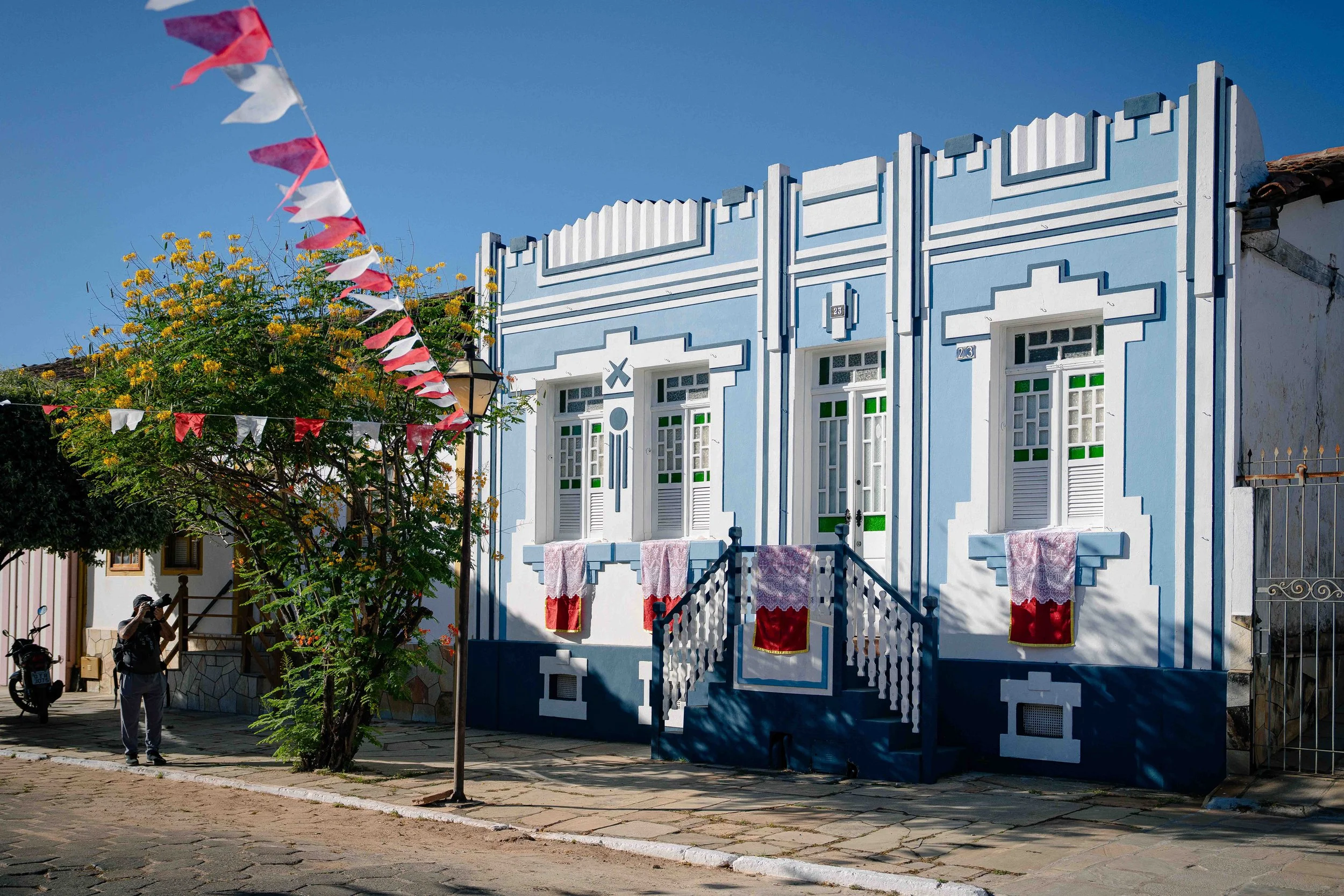
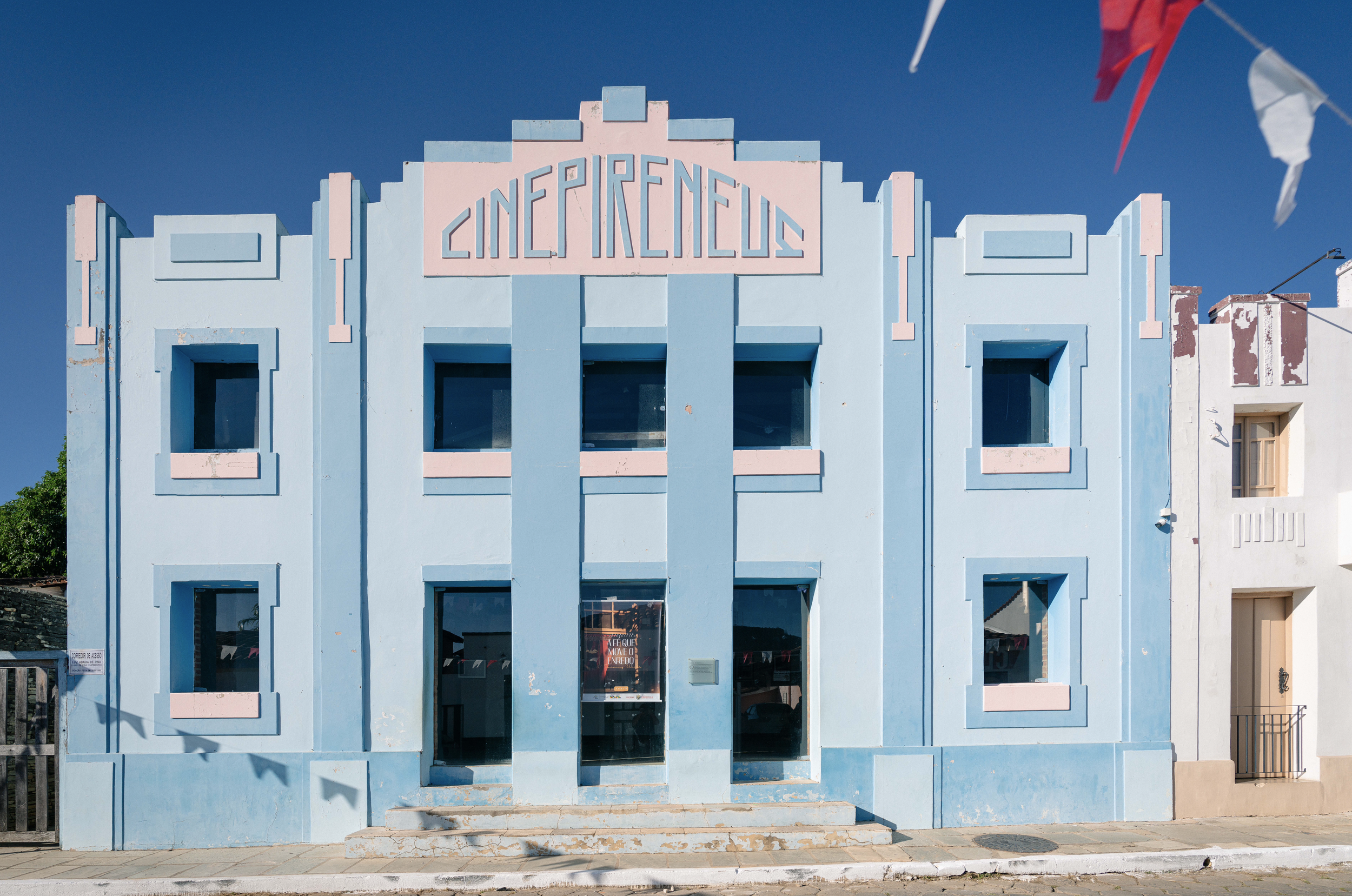
Those streets are half the spectacle. Founded by gold prospectors in 1727 and now protected as national heritage, Pirenópolis tumbles downhill in whitewashed eighteenth-century houses and baroque churches, every lane paved in the grey-gold quartzite they cut from the surrounding hills and call, simply, Pirenópolis stone — it holds the light and warms underfoot as the afternoon wears on. The one happy anachronism waits on the Rua Direita: the Cine Pireneus, a 1919 theater reborn in 1936 as one of the region's first cinemas, its façade redone then in crisp, geometric Art Déco — a slab of the jazz age set, gleaming, into a colonial street. I kept circling back to photograph it.
Essas ruas são metade do espetáculo. Fundada por garimpeiros em 1727 e hoje tombada como patrimônio nacional, Pirenópolis desce a ladeira em casario branco do século XVIII e igrejas barrocas, cada viela calçada no quartzito cinza-dourado que tiram das serras ao redor e chamam, simplesmente, de pedra de Pirenópolis — que guarda a luz e esquenta sob os pés conforme a tarde avança. O feliz anacronismo espera na Rua Direita: o Cine Pireneus, um teatro de 1919 renascido em 1936 como um dos primeiros cinemas da região, com a fachada então refeita num art déco geométrico e nítido — um pedaço da era do jazz cravado, reluzente, numa rua colonial. Voltei várias vezes para fotografá-lo.
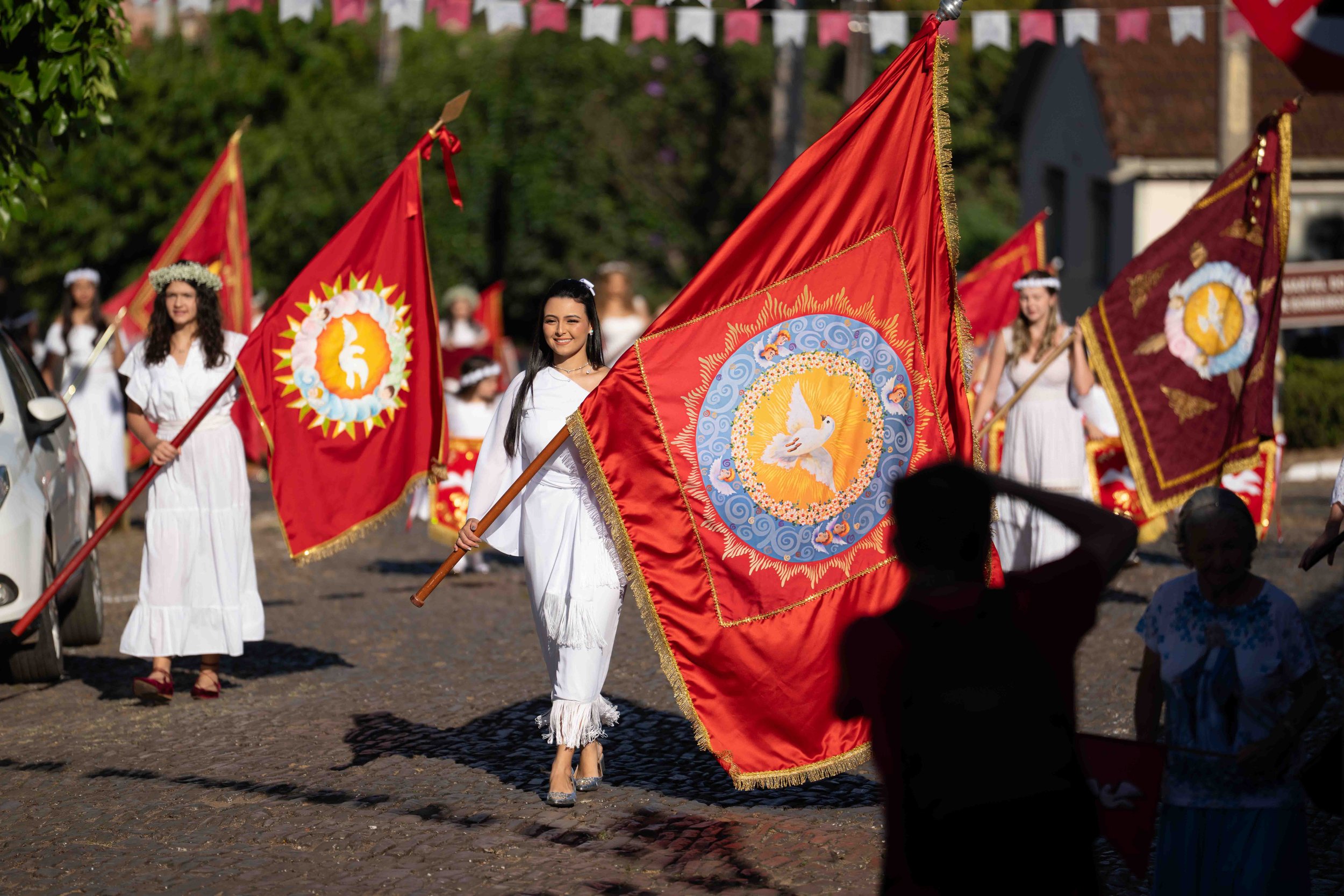
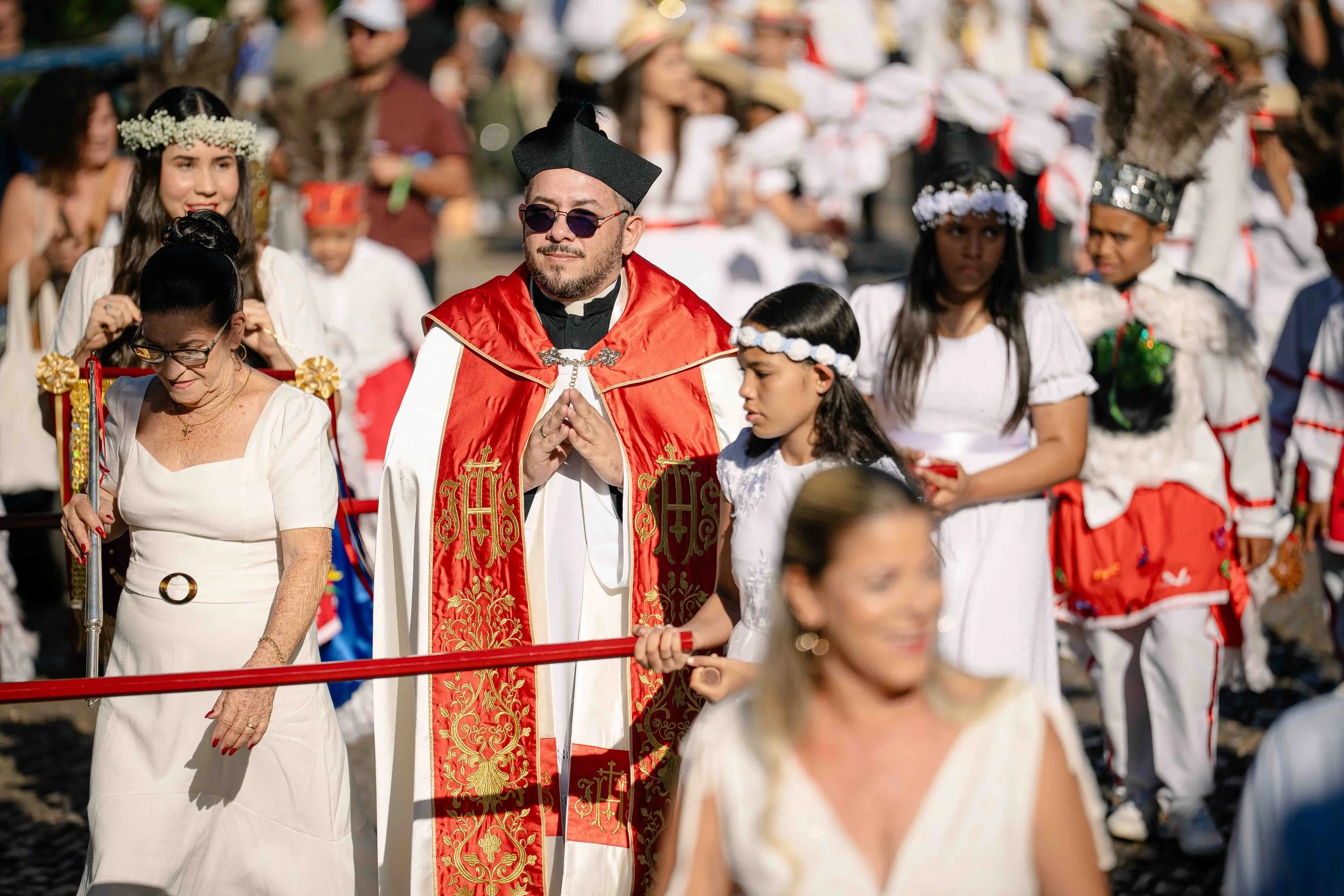
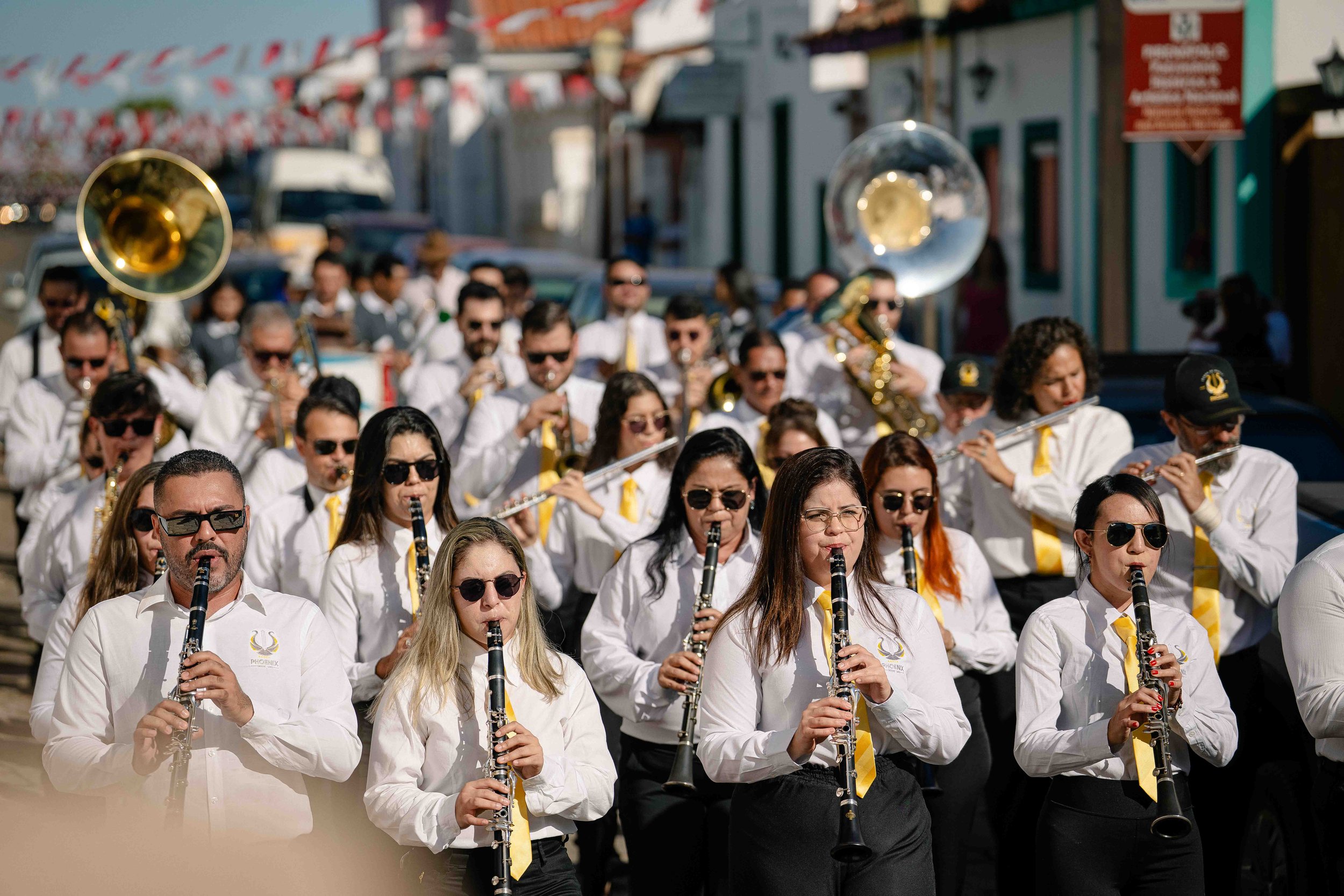
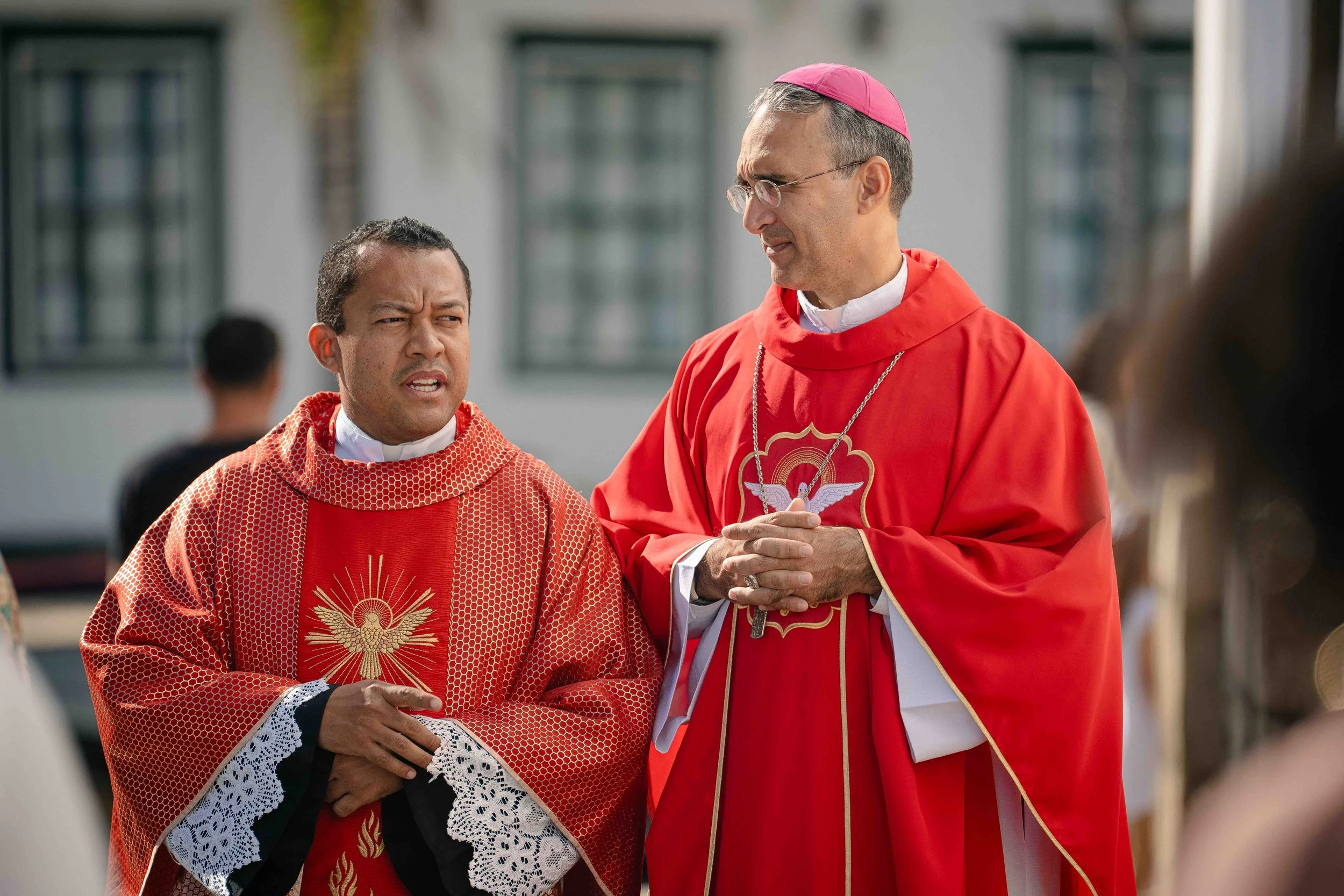
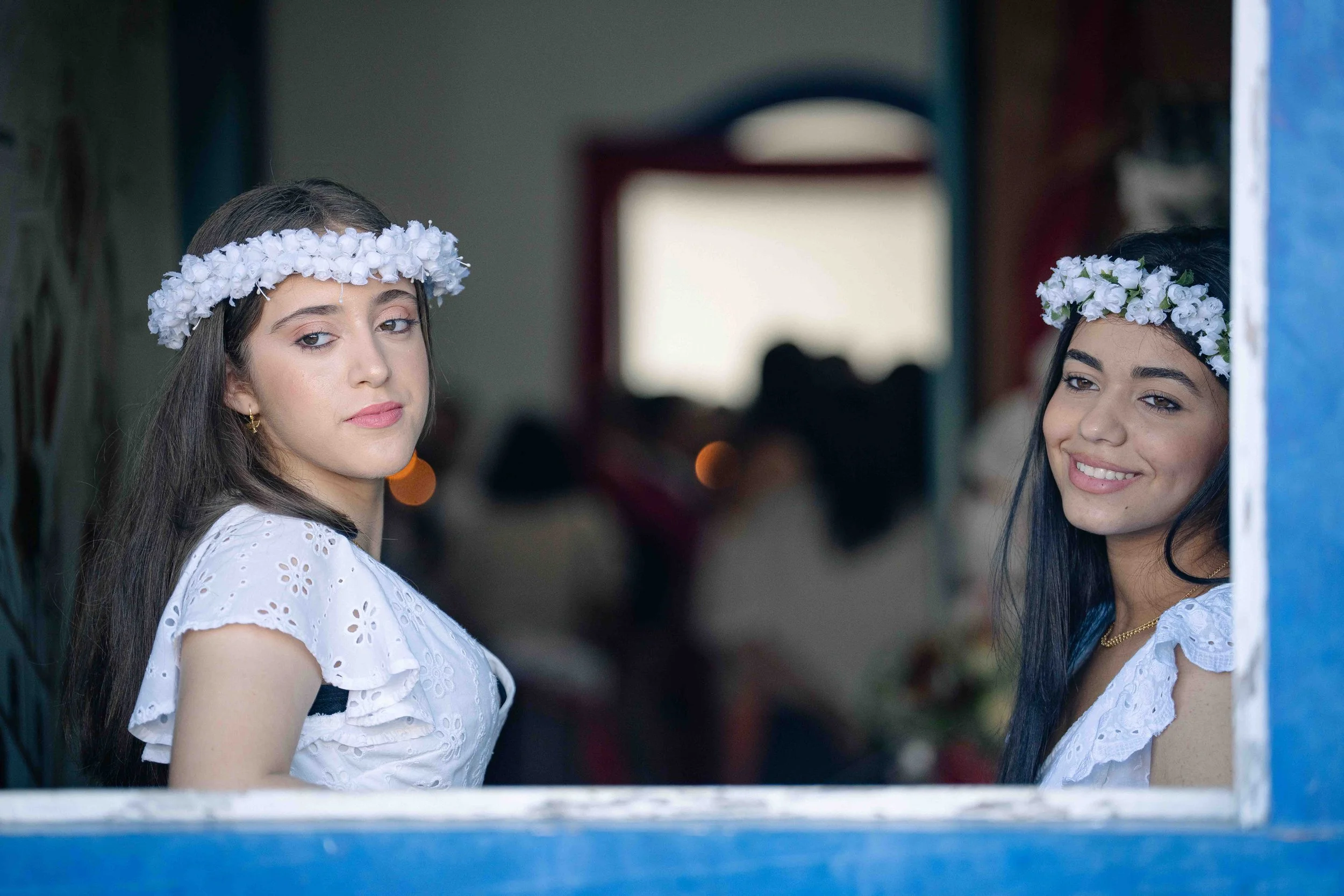
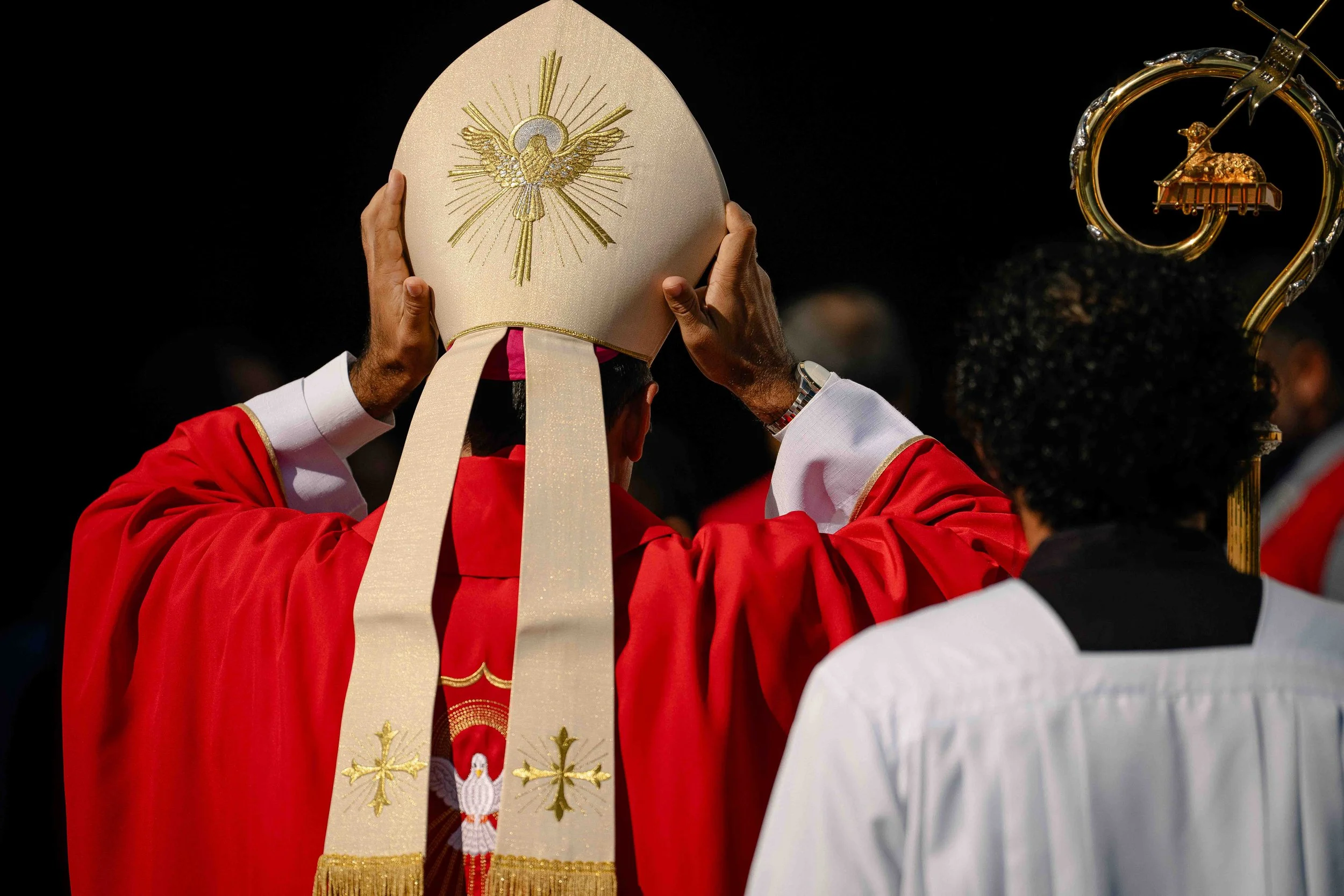
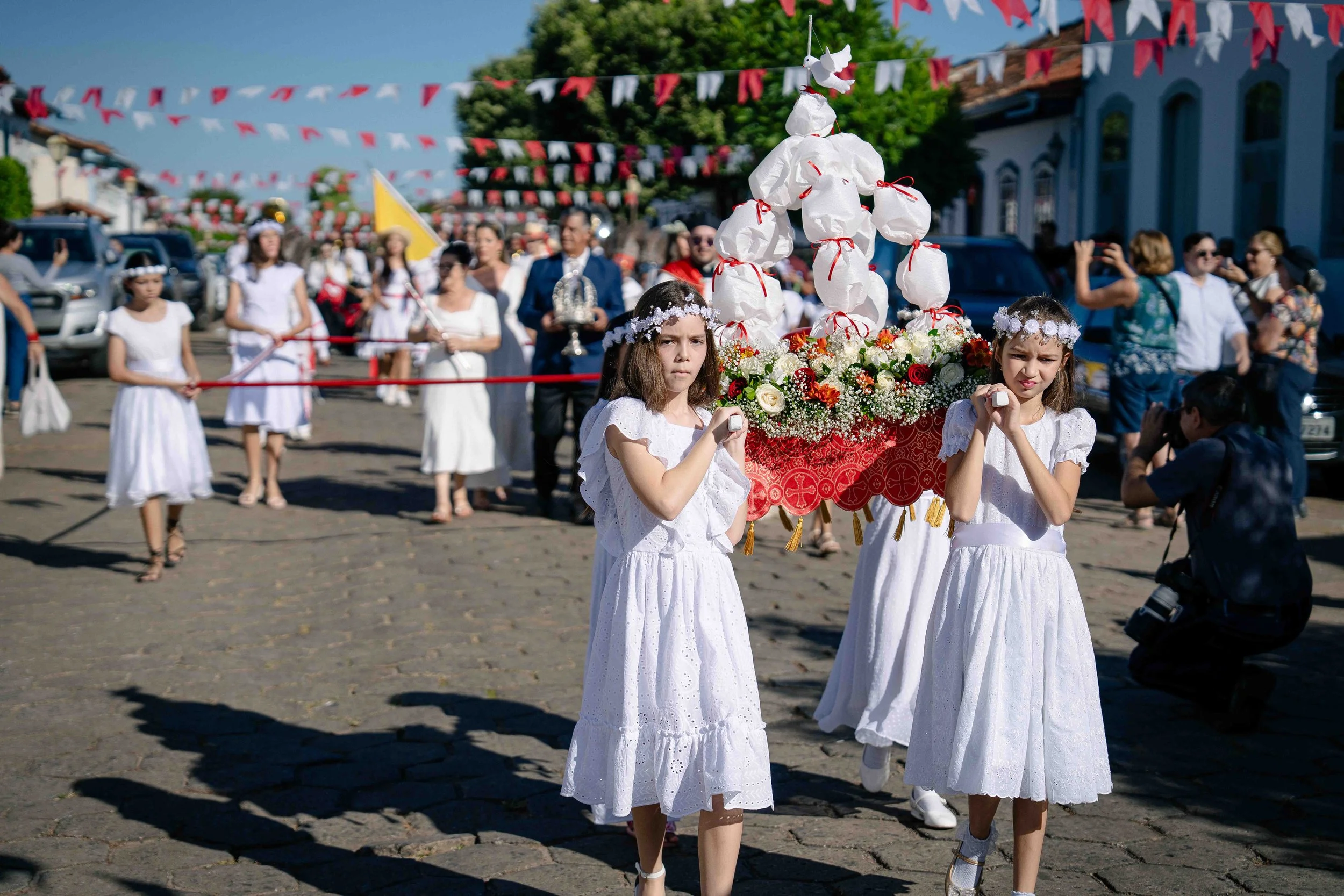
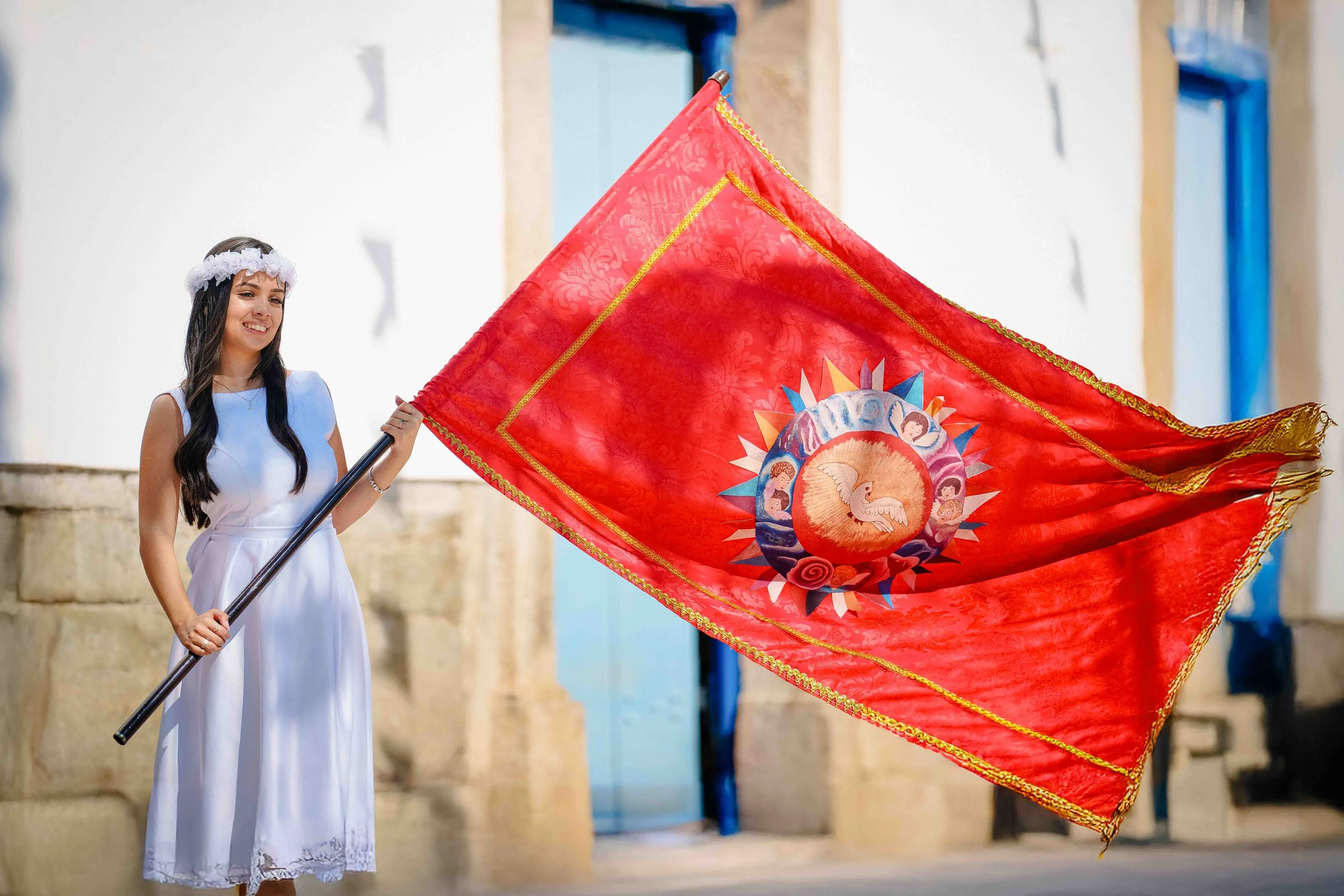
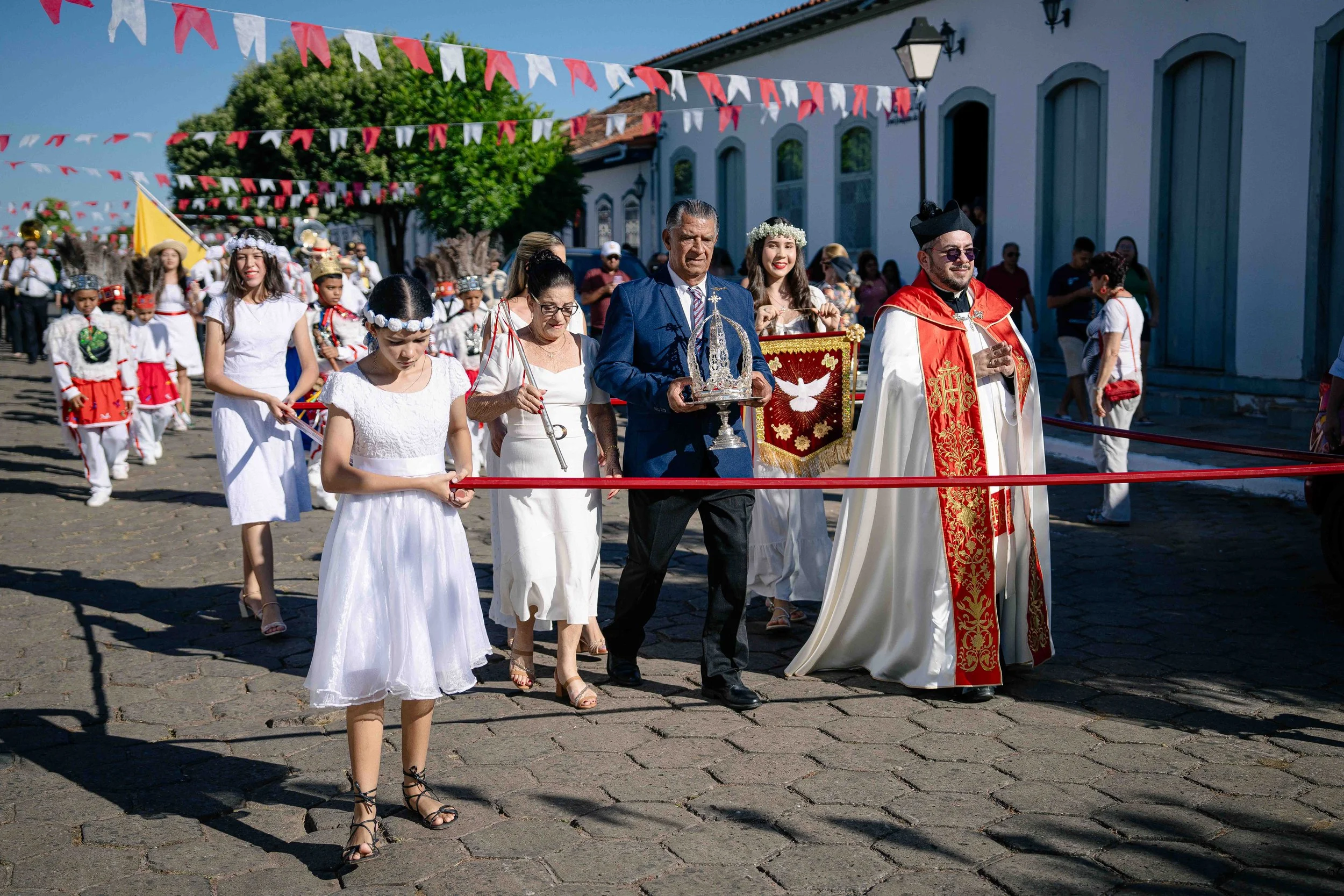
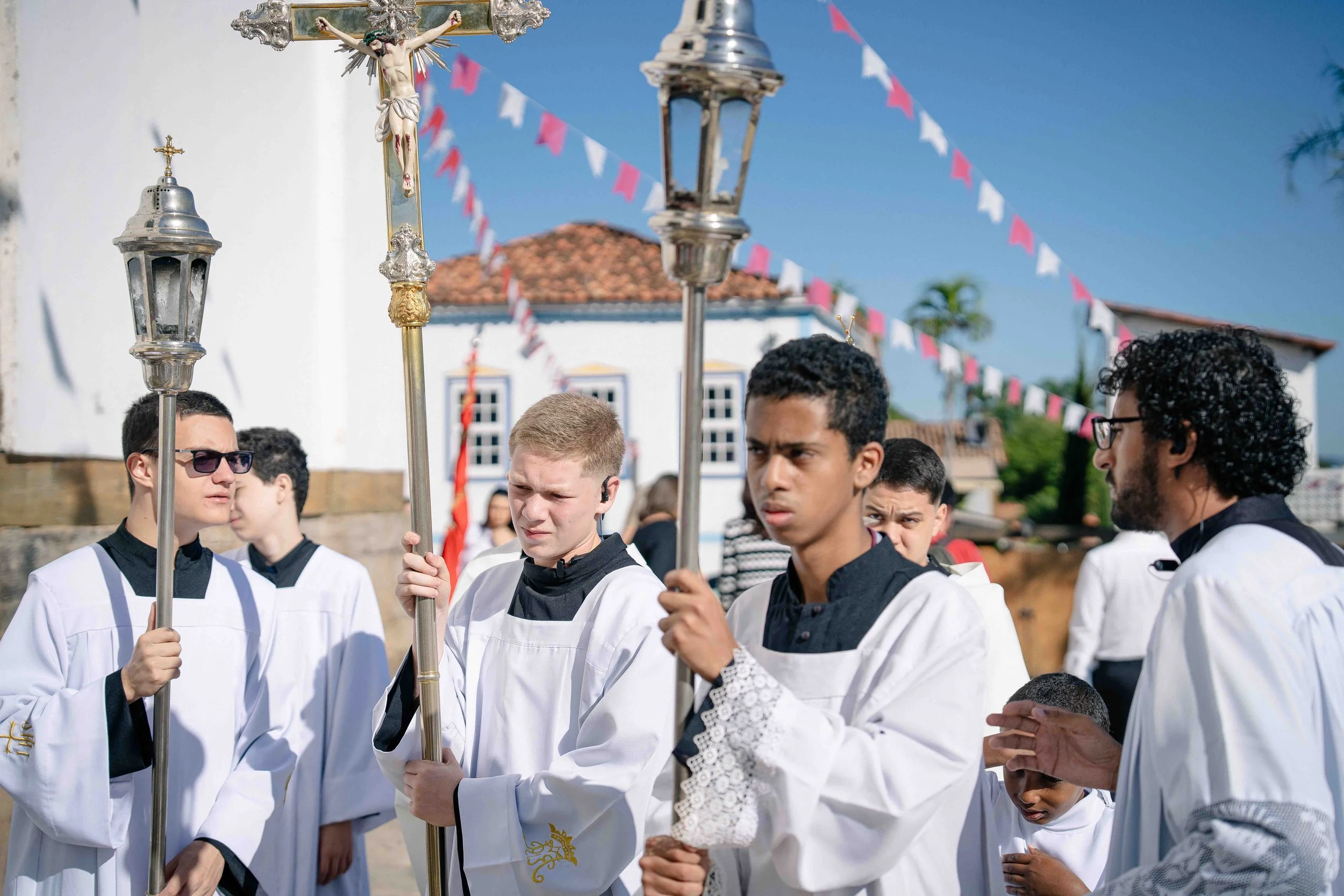
The Cavalhadas are the dramatic climax of the Festa do Divino Espírito Santo — the Feast of the Divine Holy Spirit — and it helps to understand that the horseback battle is one act in a much longer liturgical drama. The Festa do Divino is itself an import: a Pentecost devotion with roots in medieval Portugal, attributed to Queen Isabel, carried across the Atlantic in the colonial period and naturalized in the Brazilian interior. In Pirenópolis it has been celebrated since the town's eighteenth-century mining days, and over generations the community grafted onto it a whole ecosystem of folk forms — folias, pastorinhas, congadas, the raising of the mast, the coronation of an “Emperor” chosen from among the faithful.
As Cavalhadas são o clímax dramático da Festa do Divino Espírito Santo, e ajuda entender que a batalha a cavalo é apenas um ato de um drama litúrgico bem mais longo. A própria Festa do Divino é importada: uma devoção do Pentecostes com raízes no Portugal medieval, atribuída à Rainha Santa Isabel, trazida pelo Atlântico no período colonial e naturalizada no interior do Brasil. Em Pirenópolis ela é celebrada desde os tempos da mineração, no século XVIII, e, ao longo das gerações, a comunidade enxertou nela todo um ecossistema de formas populares — folias, pastorinhas, congadas, o levantamento do mastro, a coroação de um “Imperador” escolhido entre os fiéis.
And it is, before anything else, a religious act — not a costume pageant bolted onto a long weekend, but an offering. Before they ride, the knights gather to pray in the little Church of Nossa Senhora do Rosário, asking the Divine to keep them whole. There is something disarming in it: grown men in velvet and plumes, heads bowed, asking protection before a make-believe war. The Festa do Divino was inscribed by IPHAN as intangible cultural heritage in 2010 — recognition that what is kept here is not an object but a practice, alive only for as long as it is performed again.
E é, antes de tudo, um ato religioso — não uma fantasia pregada num feriadão, mas uma oferenda. Antes de cavalgar, os cavaleiros se reúnem para rezar na pequena Igreja de Nossa Senhora do Rosário, pedindo ao Divino que os mantenha inteiros. Há algo de desarmante nisso: homens feitos, de veludo e plumas, de cabeça baixa, pedindo proteção antes de uma guerra de mentira. A Festa do Divino foi registrada pelo IPHAN como patrimônio cultural imaterial em 2010 — o reconhecimento de que o que se preserva aqui não é um objeto, mas uma prática, viva apenas enquanto for encenada de novo.
The battle at the heart of it all comes from one of the great recycled stories of European literature — the Carolingian cycle, Charlemagne and the Twelve Peers of France, the matter of the Chanson de Roland worn smooth by centuries of retelling. Behind it stands the memory of the Iberian Reconquista, the long expulsion of Muslim rule from the peninsula. Portugal turned that memory into a dramatic game; the colonies inherited it; Pirenópolis has staged its own version since 1826, which means the edition I saw was just shy of two hundred years old.
A batalha no centro de tudo vem de uma das grandes histórias recicladas da literatura europeia — o ciclo carolíngio, Carlos Magno e os Doze Pares de França, a matéria da Canção de Rolando, gasta e polida por séculos de recontar. Por trás dela está a memória da Reconquista ibérica, a longa expulsão do domínio muçulmano da península. Portugal transformou essa memória num jogo dramático; as colônias herdaram; Pirenópolis encena a sua própria versão desde 1826, o que quer dizer que a edição que vi estava a pouco da marca dos duzentos anos.
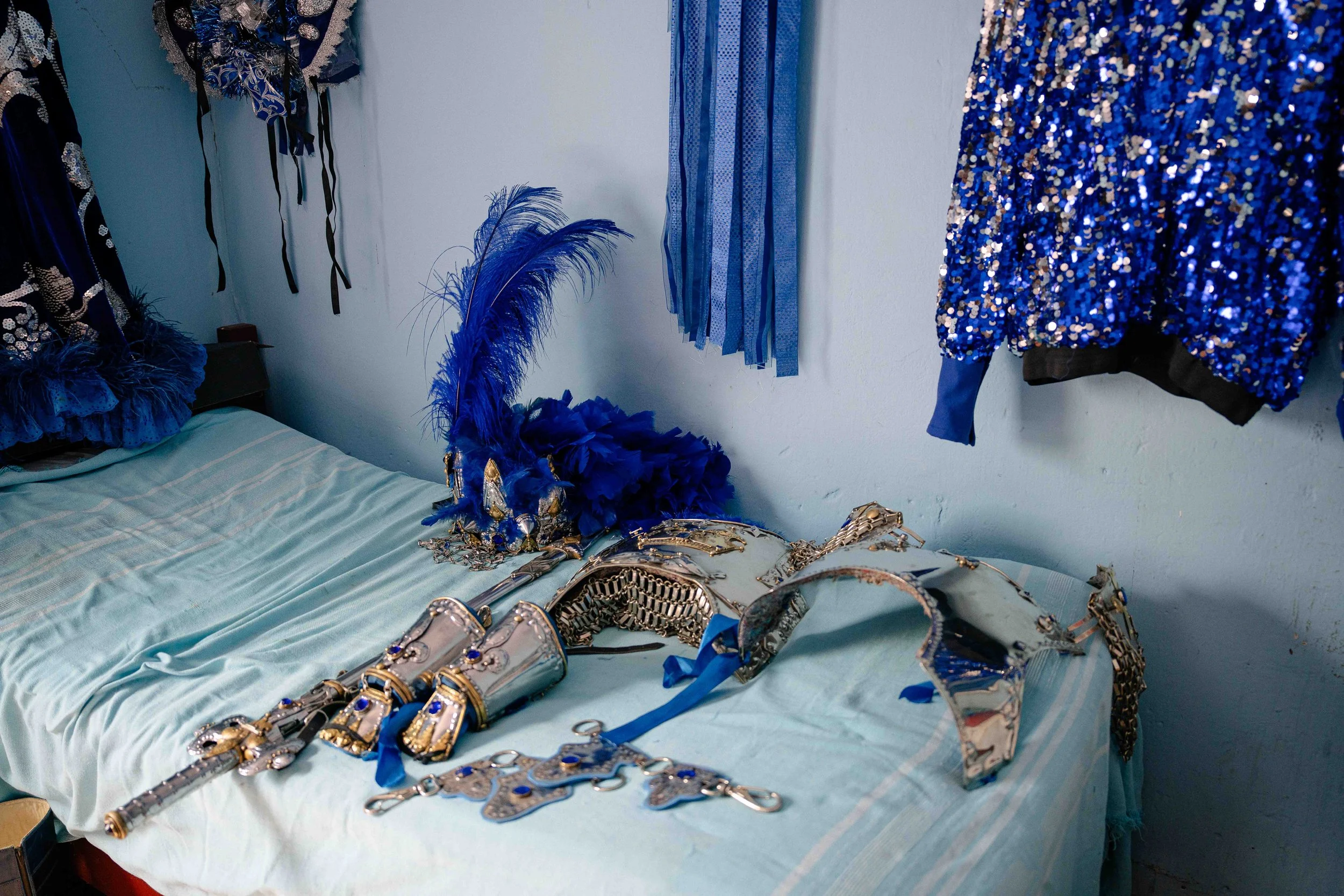

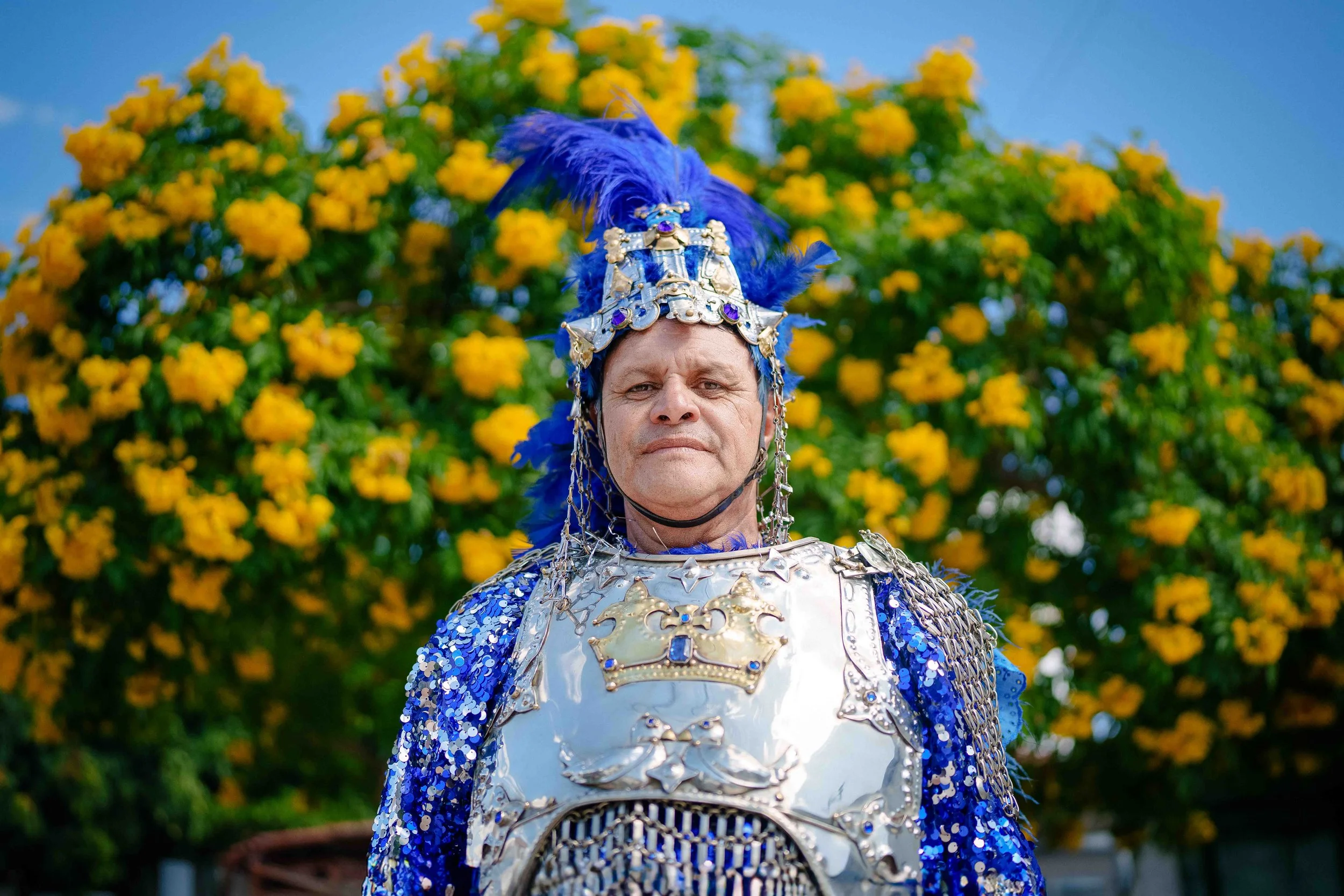
On a purpose-built field, twelve Christian knights in blue — the color of Christianity — face twelve Moorish knights in red across three days of thundering cavalry charges, ring-games and gravely formal embassies, until the Moorish king converts and the war ends not in slaughter but in reconciliation. It is closer to chess than to theater, and a startlingly generous ending for a story about conquest. One detail I can't resist: the whole drama is set off by a Moorish spy unmasked in the Christian camp — played, in the Goiás telling, by a jaguar. I'll confess I barely photographed the battle itself. The arena is where the festival performs its official self; my camera kept slipping away toward the streets, where it performs its truer one.
Num campo construído só para isso, doze cavaleiros cristãos de azul — a cor do cristianismo — enfrentam doze cavaleiros mouros de vermelho ao longo de três dias de cargas de cavalaria estrondosas, corridas de argolinha e embaixadas de uma formalidade solene, até que o rei mouro se converte e a guerra termina não em massacre, mas em reconciliação. É mais perto do xadrez do que do teatro, e um final espantosamente generoso para uma história de conquista. Um detalhe a que não resisto: o drama todo começa com um espião mouro desmascarado no acampamento cristão — interpretado, na versão goiana, por uma onça. Confesso que mal fotografei a batalha em si. A arena é onde a festa encena o seu eu oficial; minha câmera vivia escapulindo para as ruas, onde ela encena o verdadeiro.
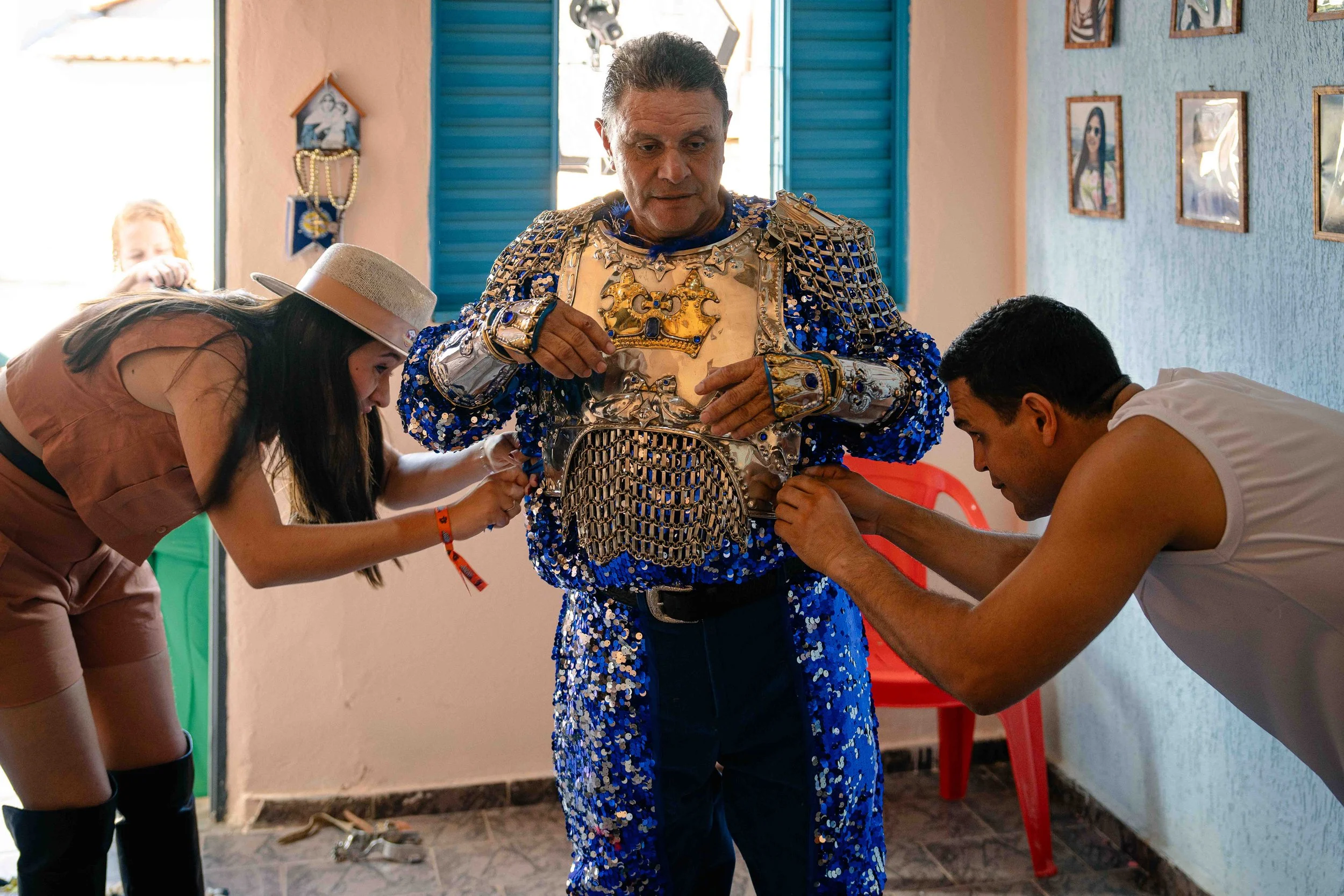
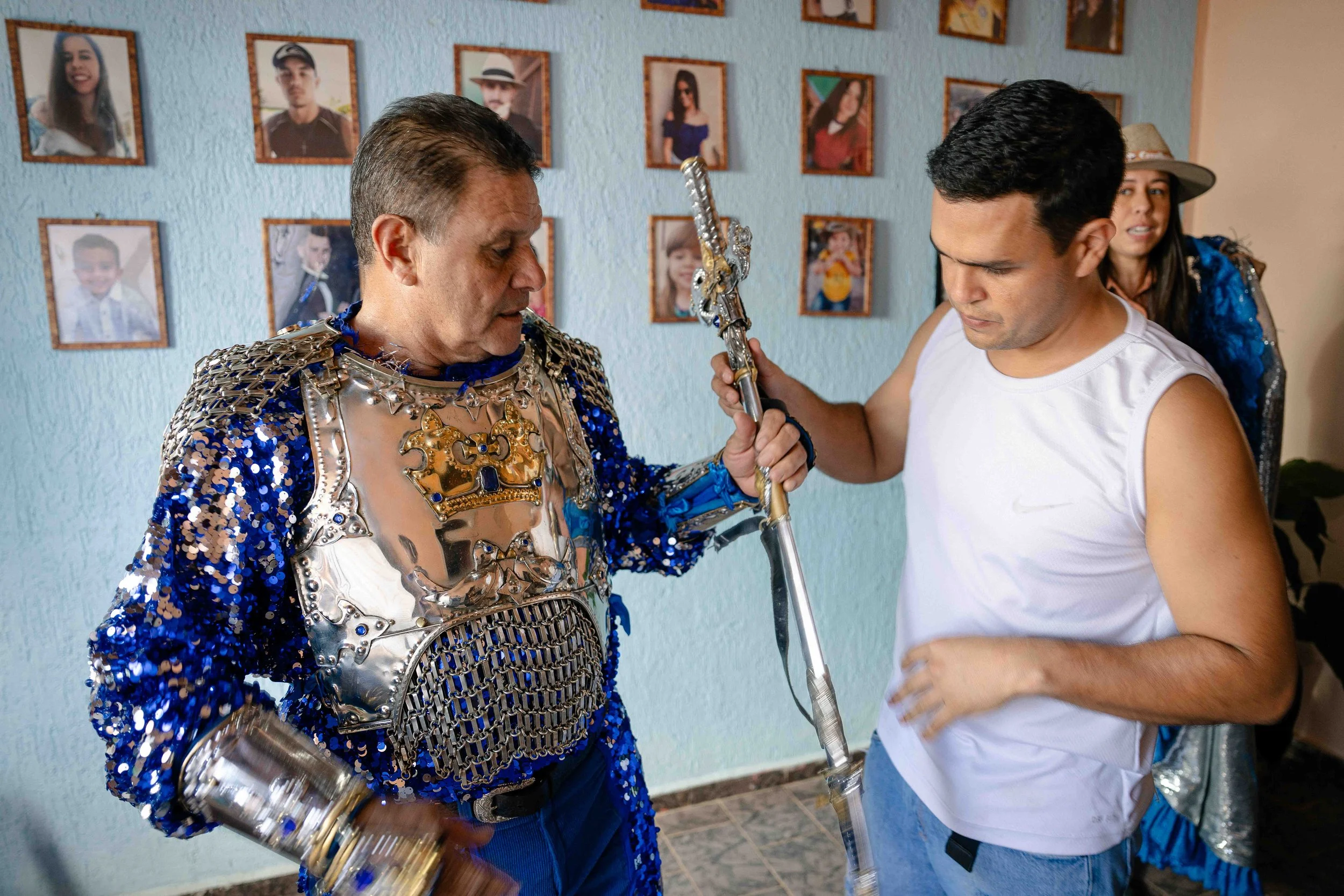
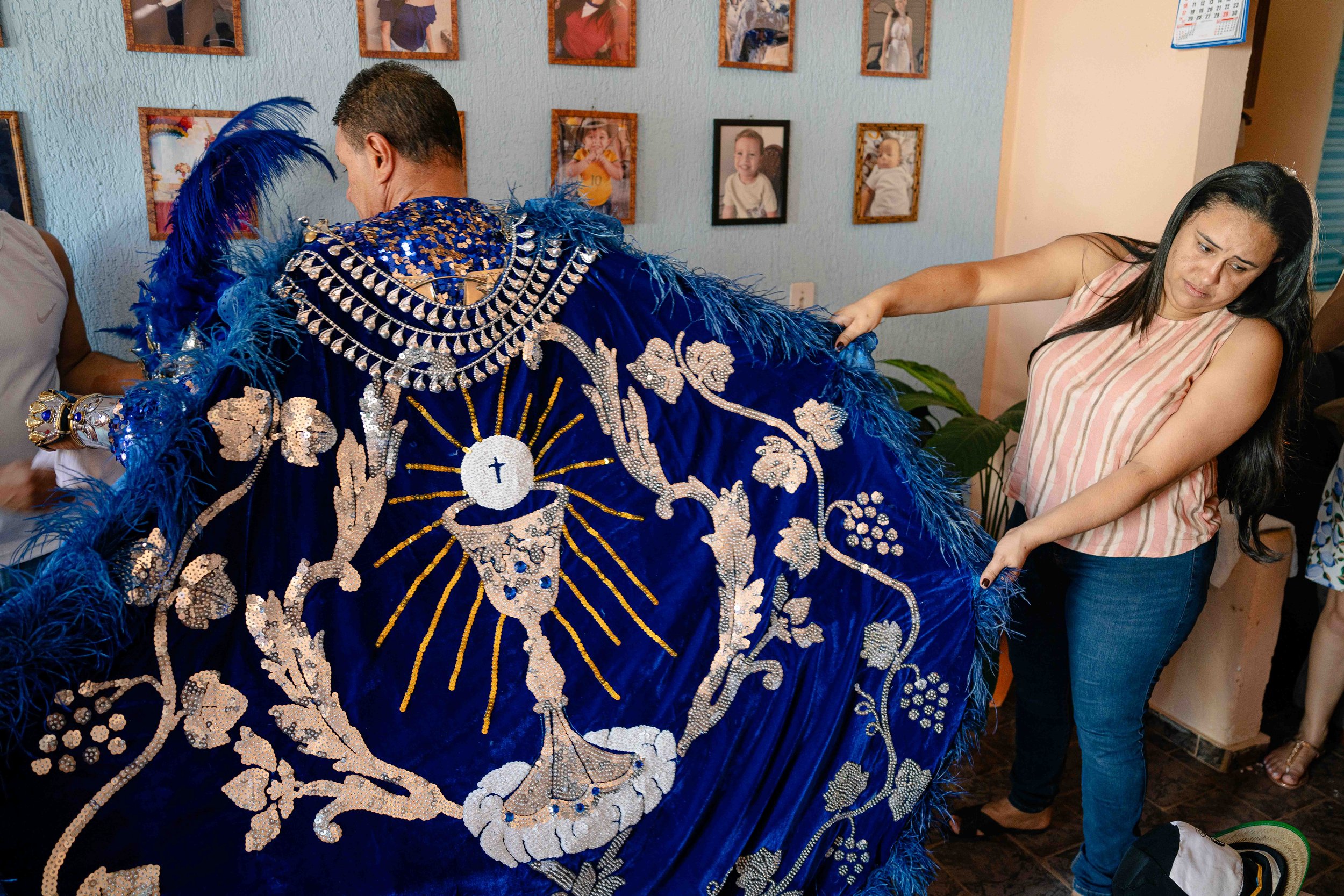
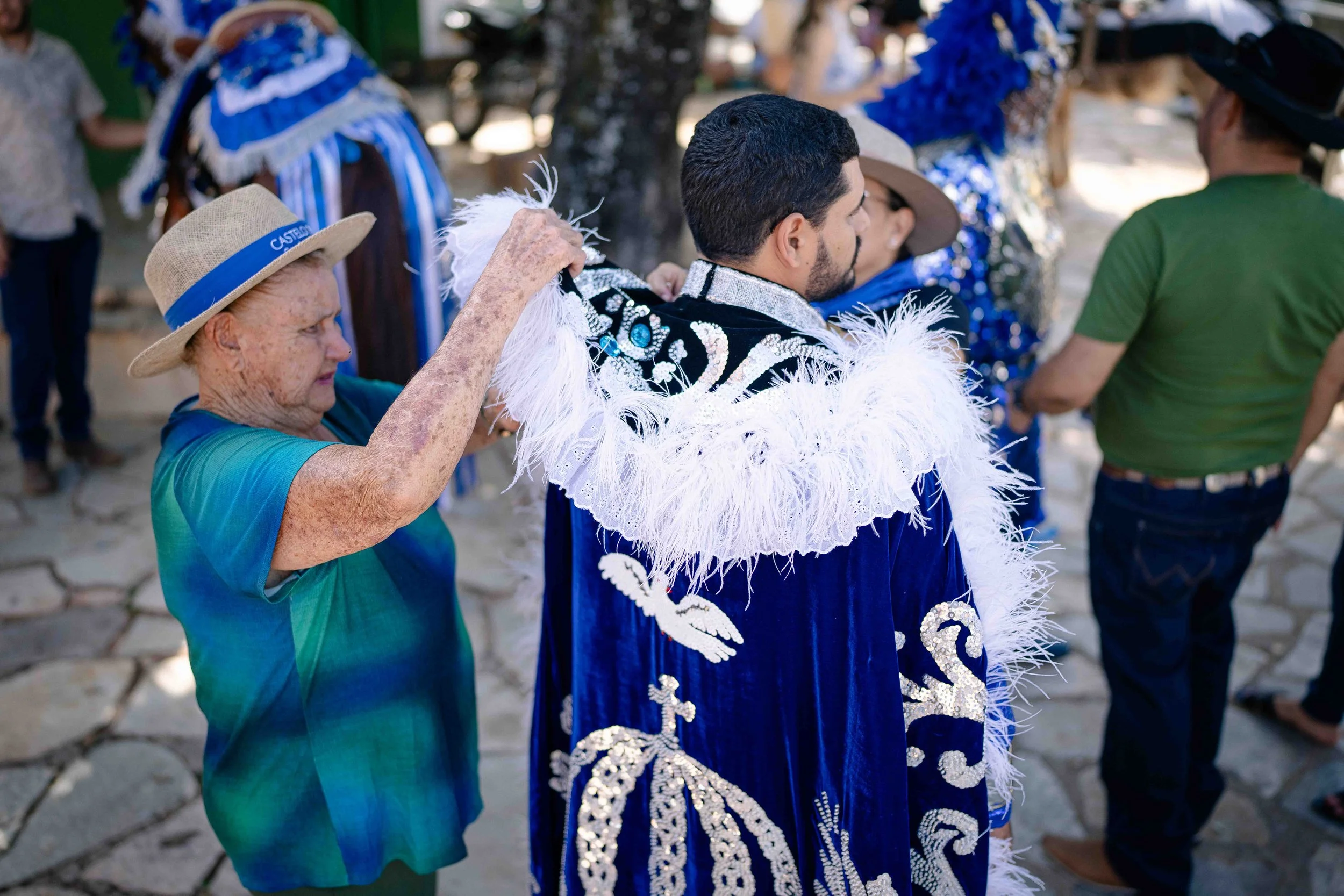
Watching a knight be dressed was the moment the festival stopped being a show and became something I cared about. The costumes aren't bought; they are made and mended and handed down, and putting one on is half investiture, half sacrament — the helper's careful hands, the weight of the embroidered mantle settling onto the shoulders, the small hush that gathers around it. And the longer I watched, the more I saw the dressing for what else it is: initiation into a closed order. You do not simply sign up to be a cavaleiro of Pirenópolis. A place opens only when one of the twenty-four riders gives it up; a newcomer is nominated, then weighed — by both kings and both ambassadors — on his character and his family's standing in the town.
Ver um cavaleiro ser vestido foi o momento em que a festa deixou de ser um espetáculo e passou a ser algo que me importava. As roupas não são compradas; são feitas, remendadas e passadas adiante, e vestir uma delas é meio investidura, meio sacramento — as mãos cuidadosas de quem ajuda, o peso do manto bordado assentando nos ombros, o pequeno silêncio que se forma em volta. E quanto mais eu olhava, mais via no ato de vestir o que ele também é: a iniciação numa ordem fechada. Não se entra assim, simplesmente, para cavaleiro de Pirenópolis. Uma vaga só abre quando um dos vinte e quatro a deixa; o novato é indicado e então pesado — pelos dois reis e pelos dois embaixadores — pelo caráter e pela posição da sua família na cidade.
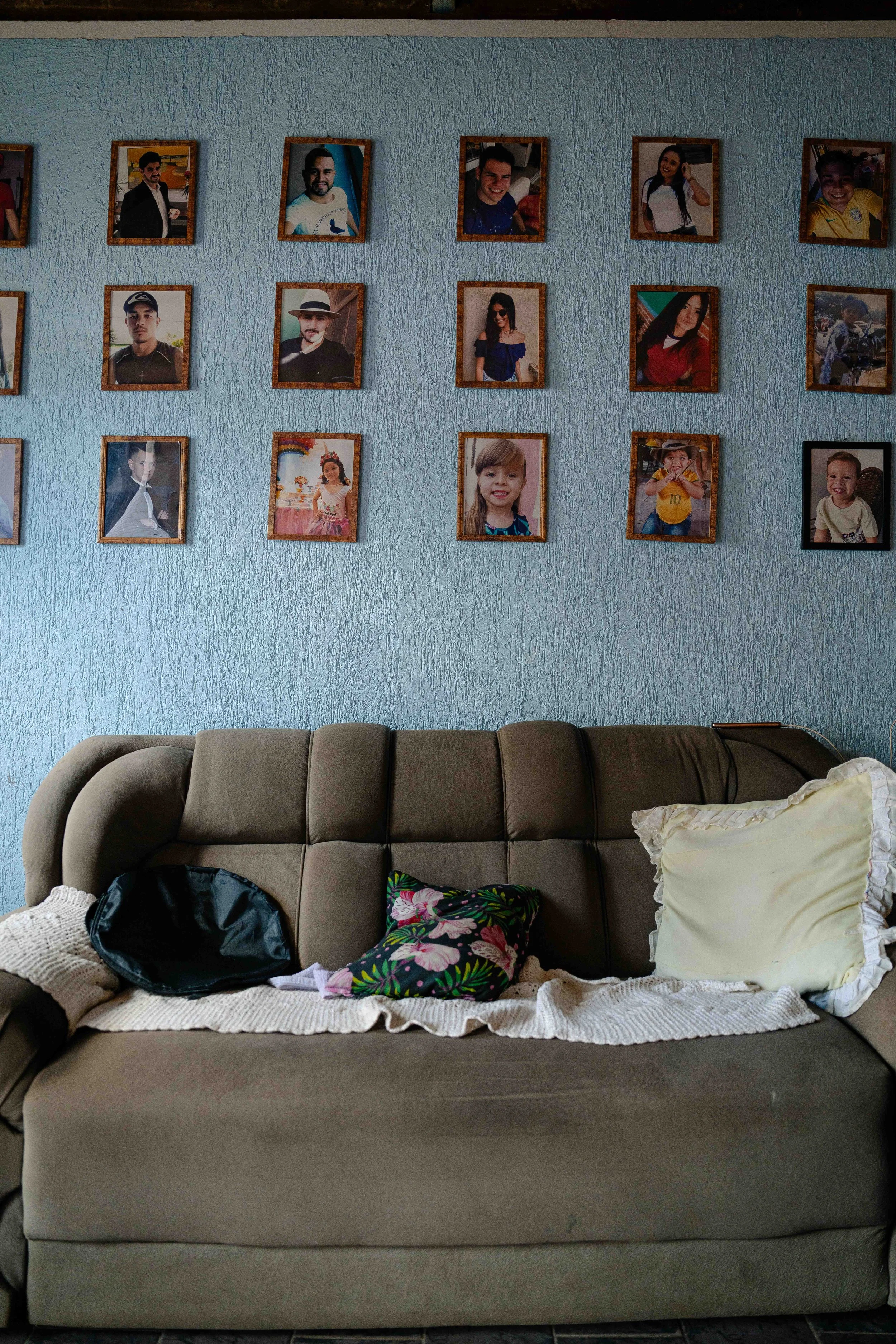
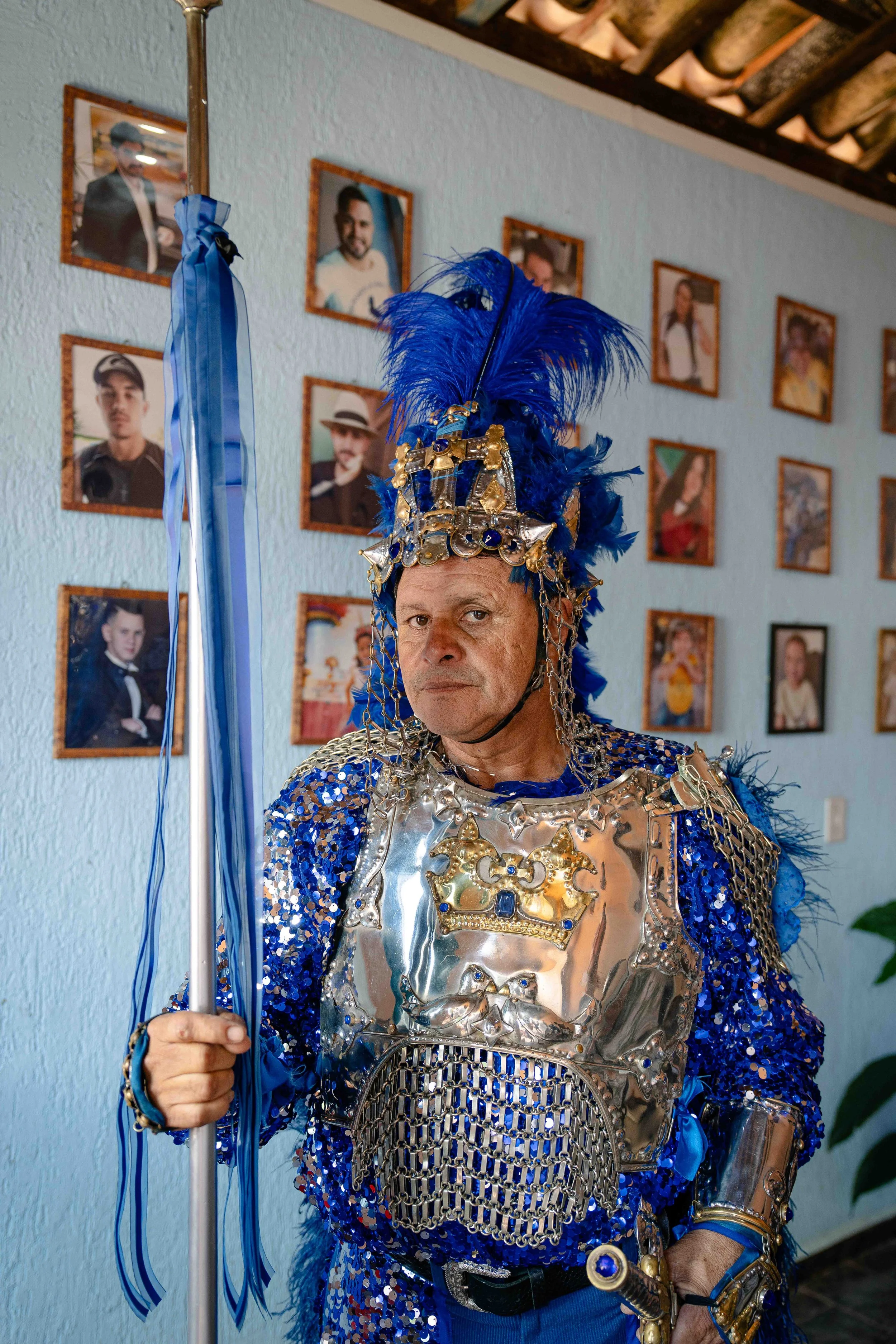
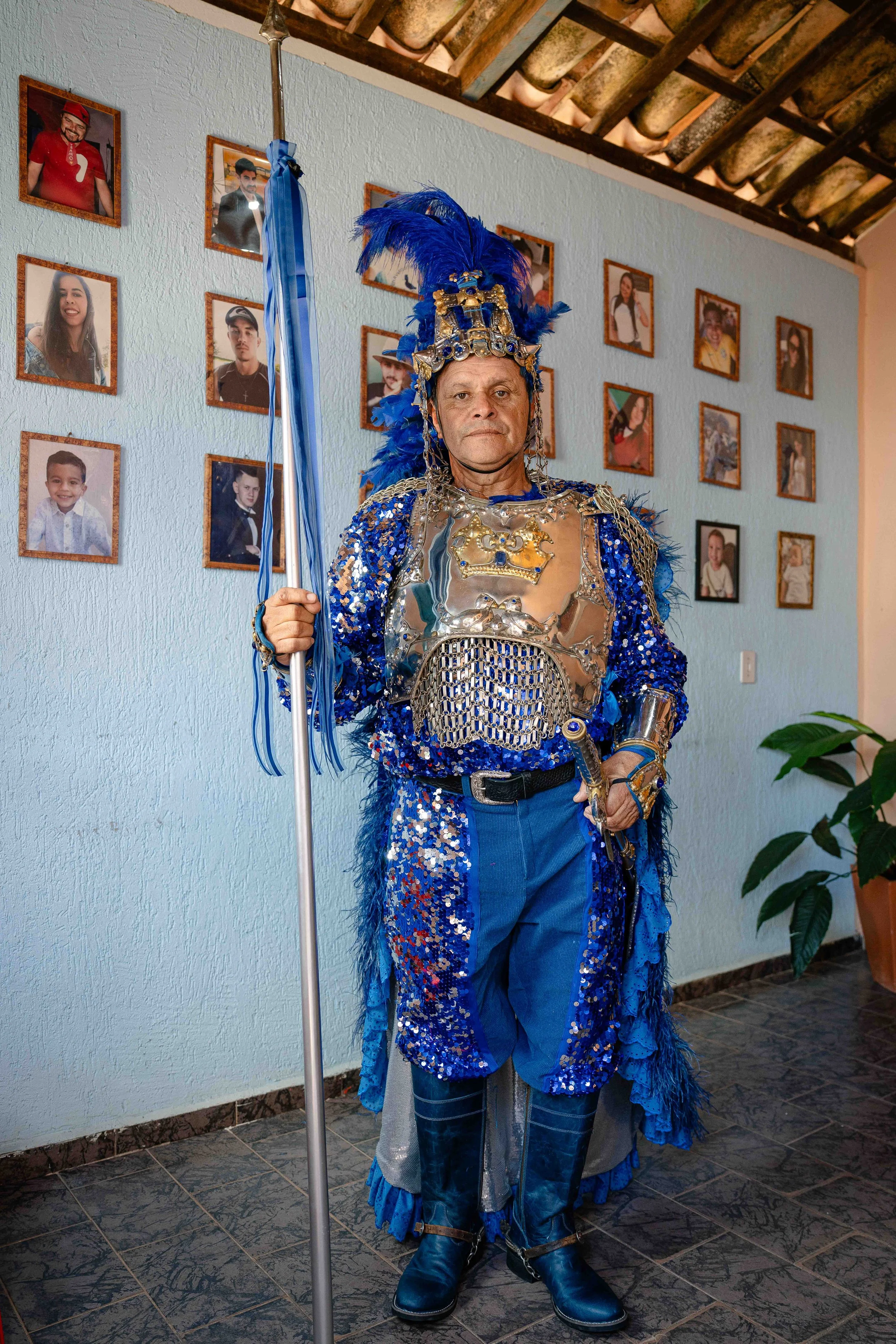
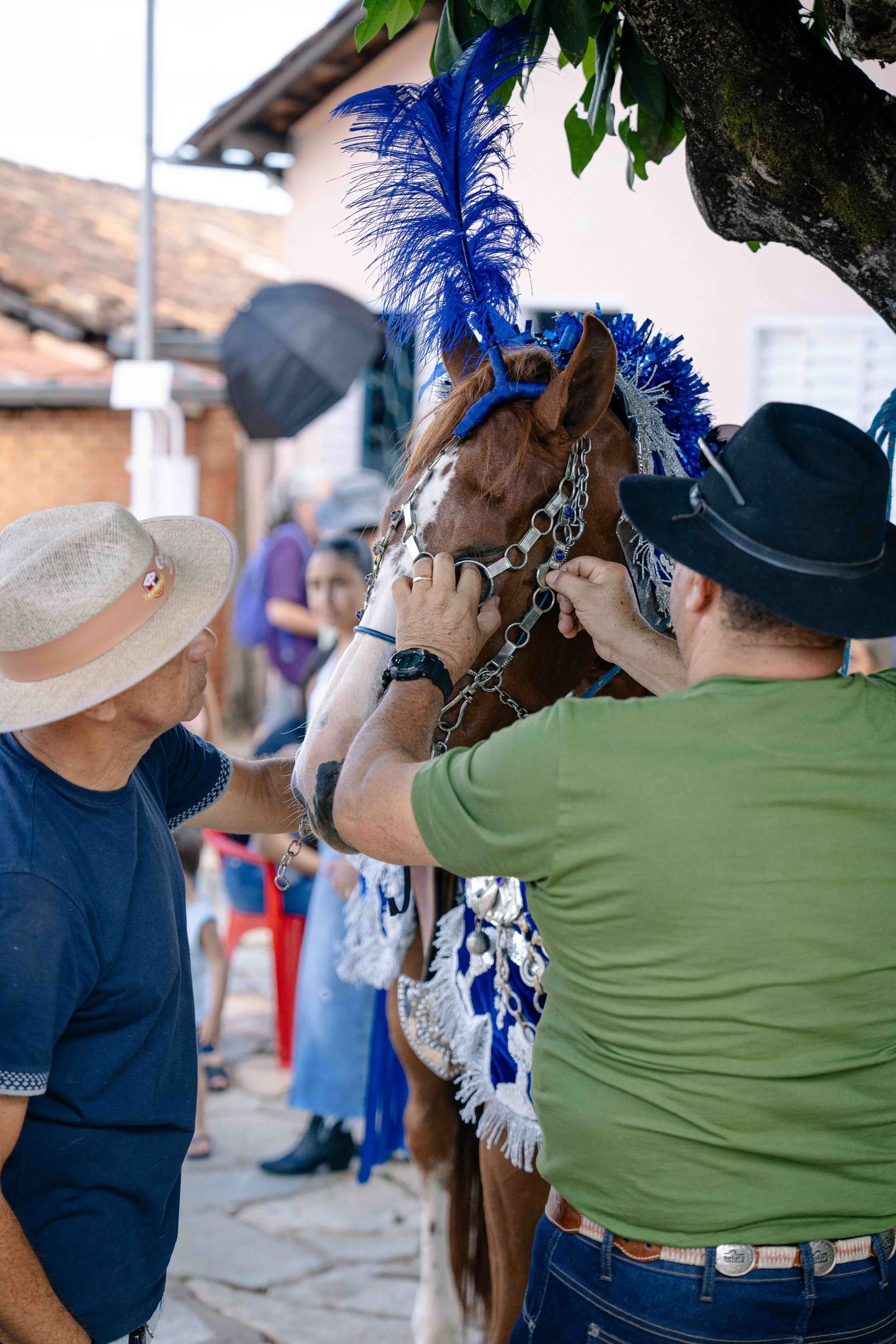
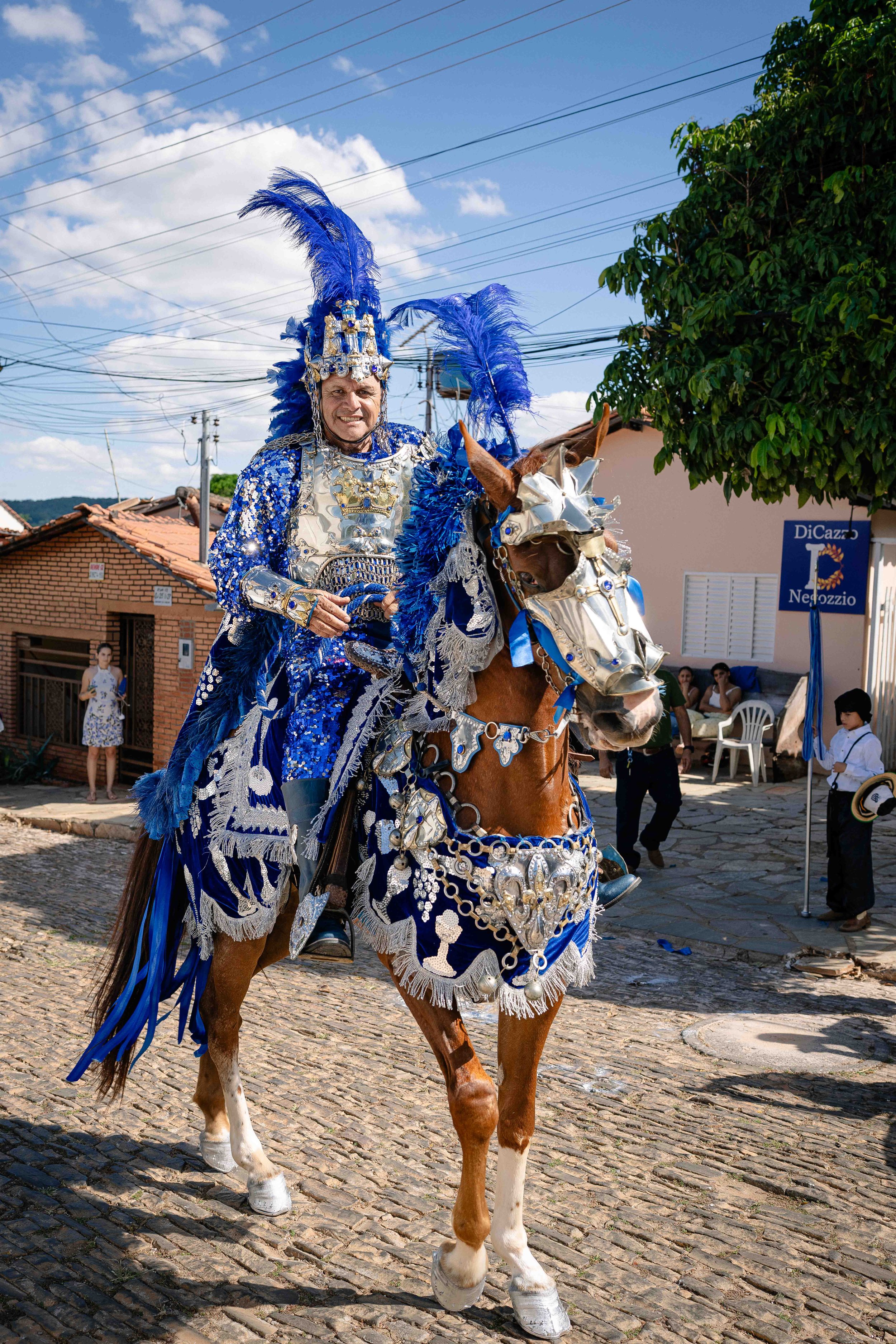
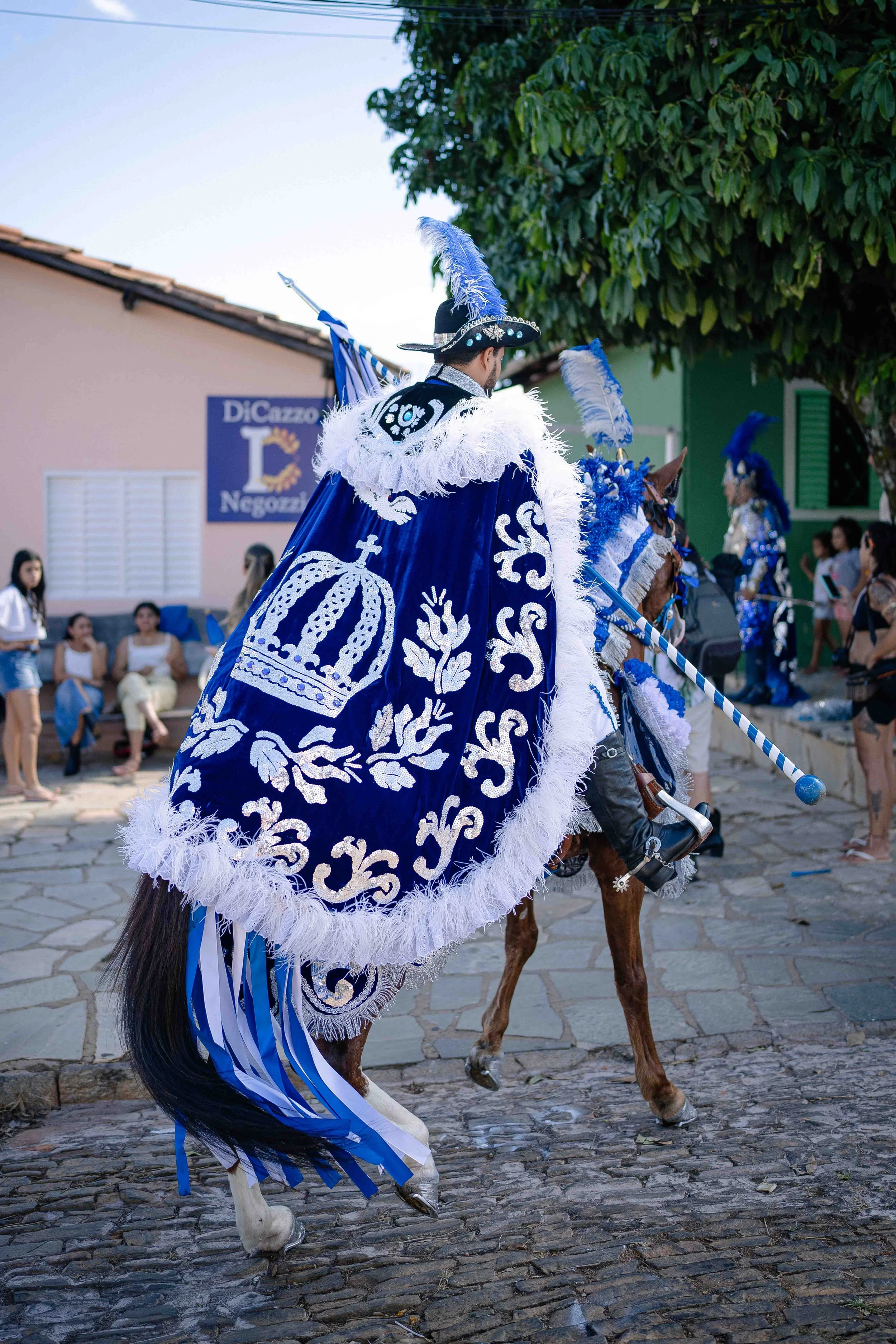
That is the part the camera can't quite capture, and the part that most interests me. Behind the plumes is a piece of social infrastructure: a hereditary-ish guild that allocates honor, reproduces a local elite, and binds families to the festival across generations. Hold on to that — the knighthood was, and largely remains, the preserve of established families — because it is the key to the riders who interested me most.
Essa é a parte que a câmera não consegue captar direito, e a que mais me interessa. Por trás das plumas há uma peça de infraestrutura social: uma espécie de guilda quase hereditária que distribui honra, reproduz uma elite local e amarra as famílias à festa ao longo das gerações. Guarde isso — a cavalaria era, e em boa medida ainda é, reduto das famílias estabelecidas — porque é a chave para os cavaleiros que mais me interessaram.
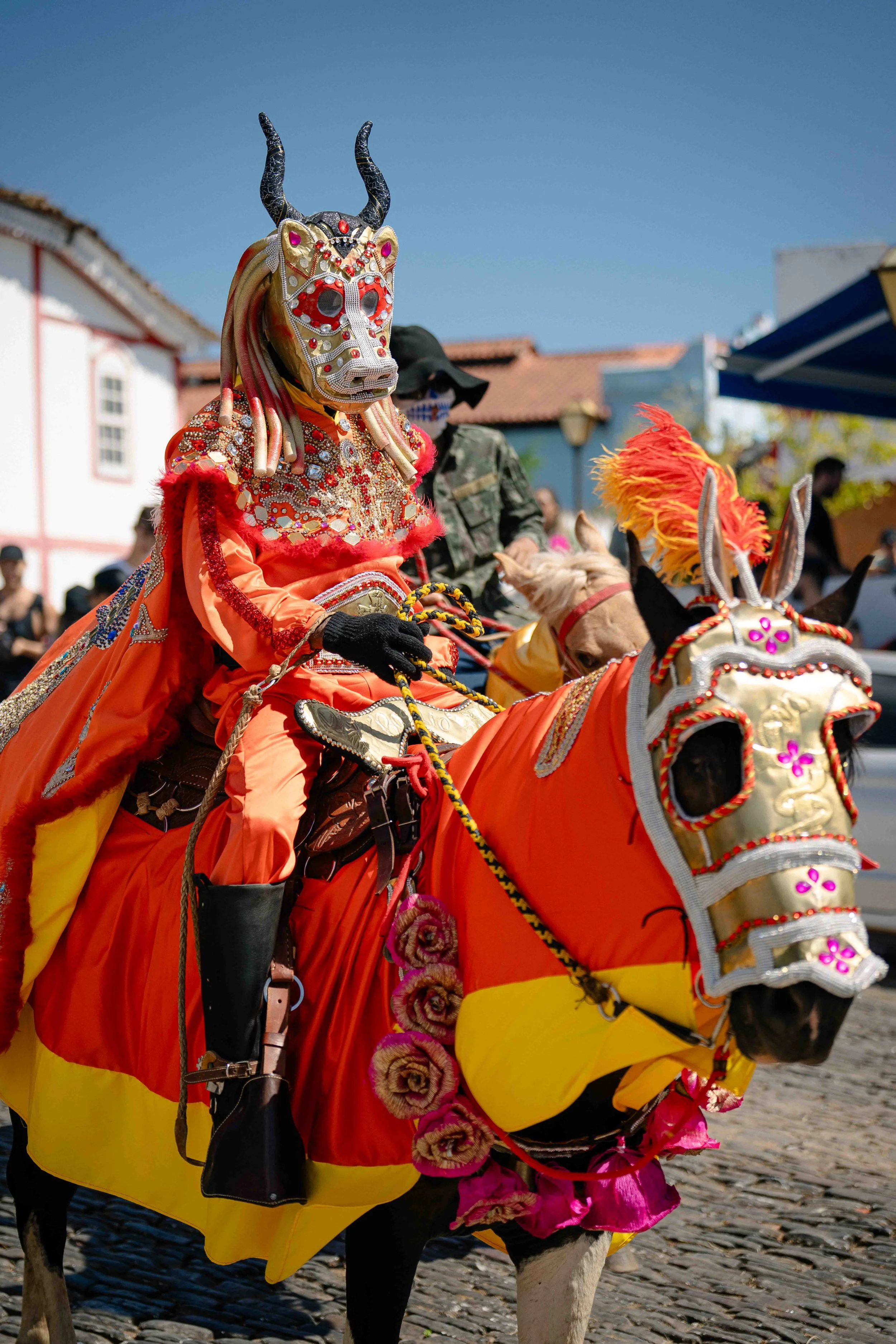
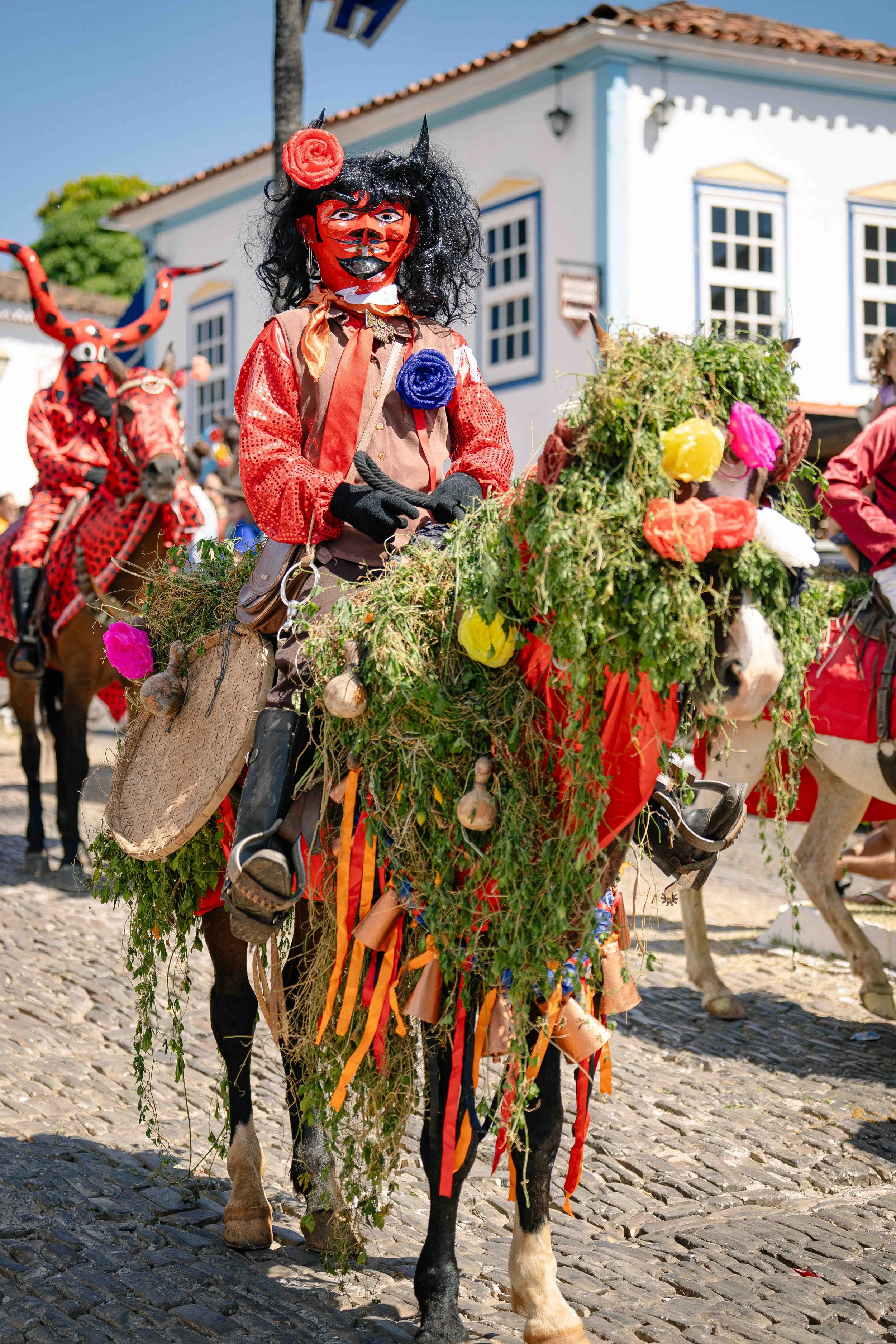
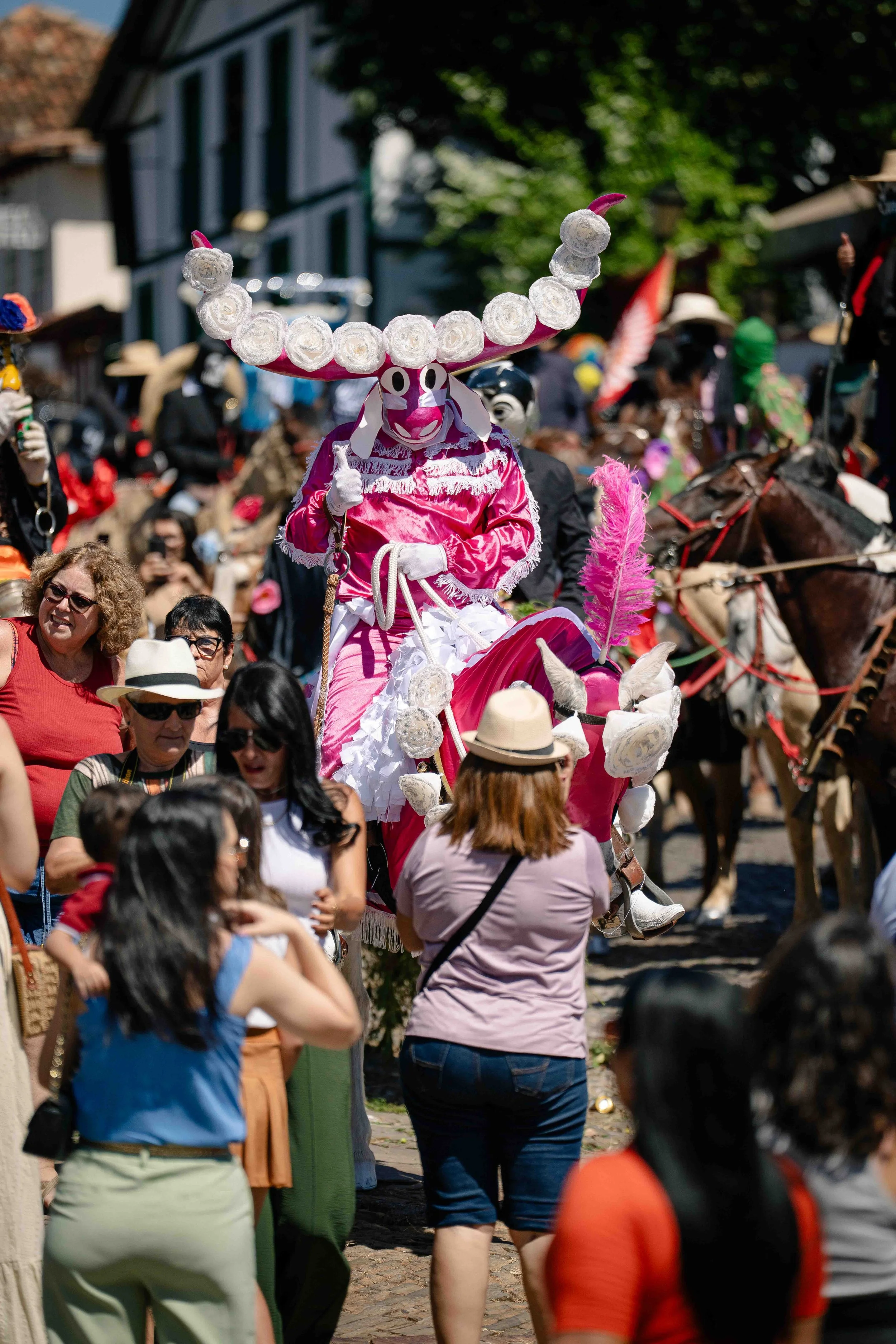
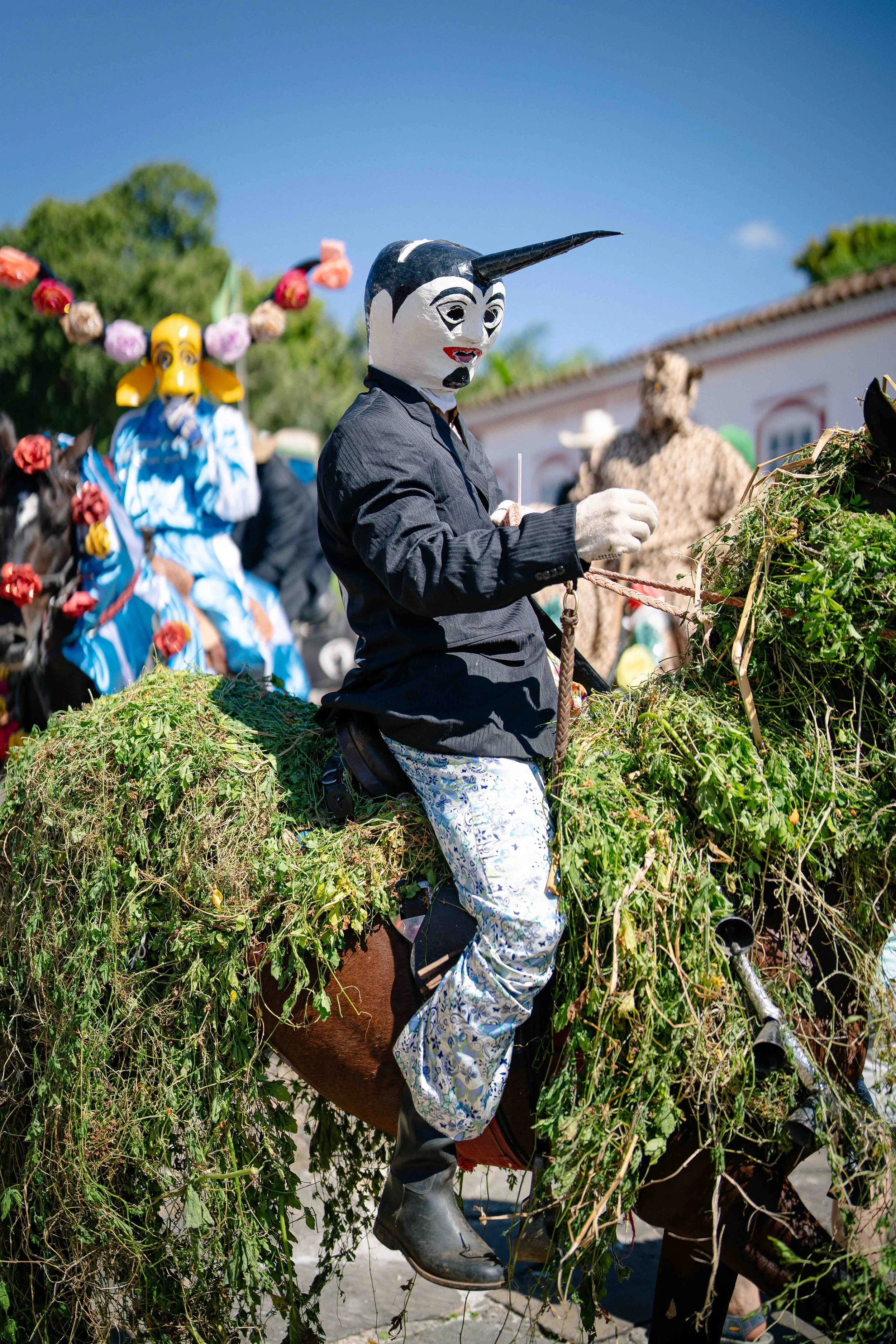
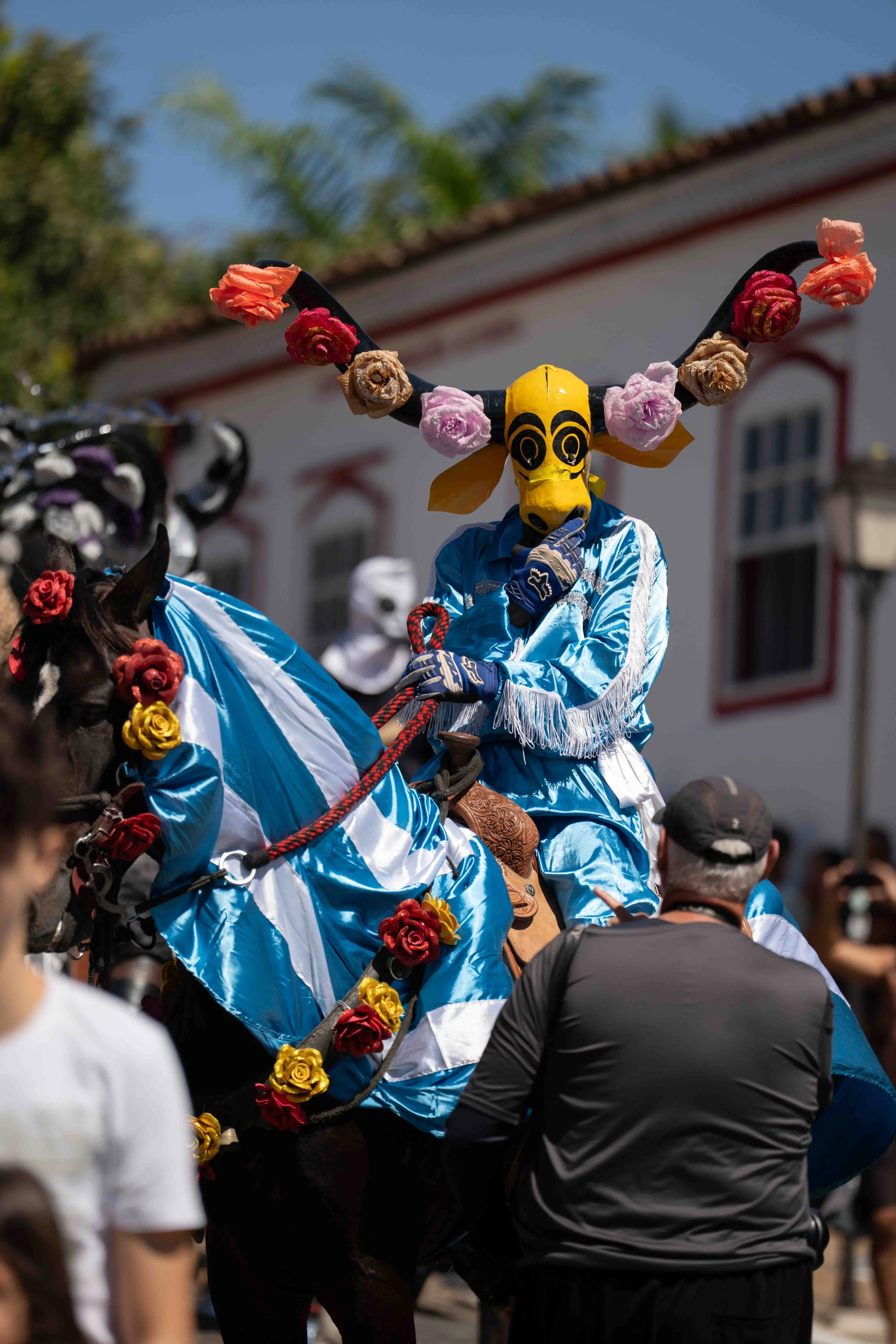
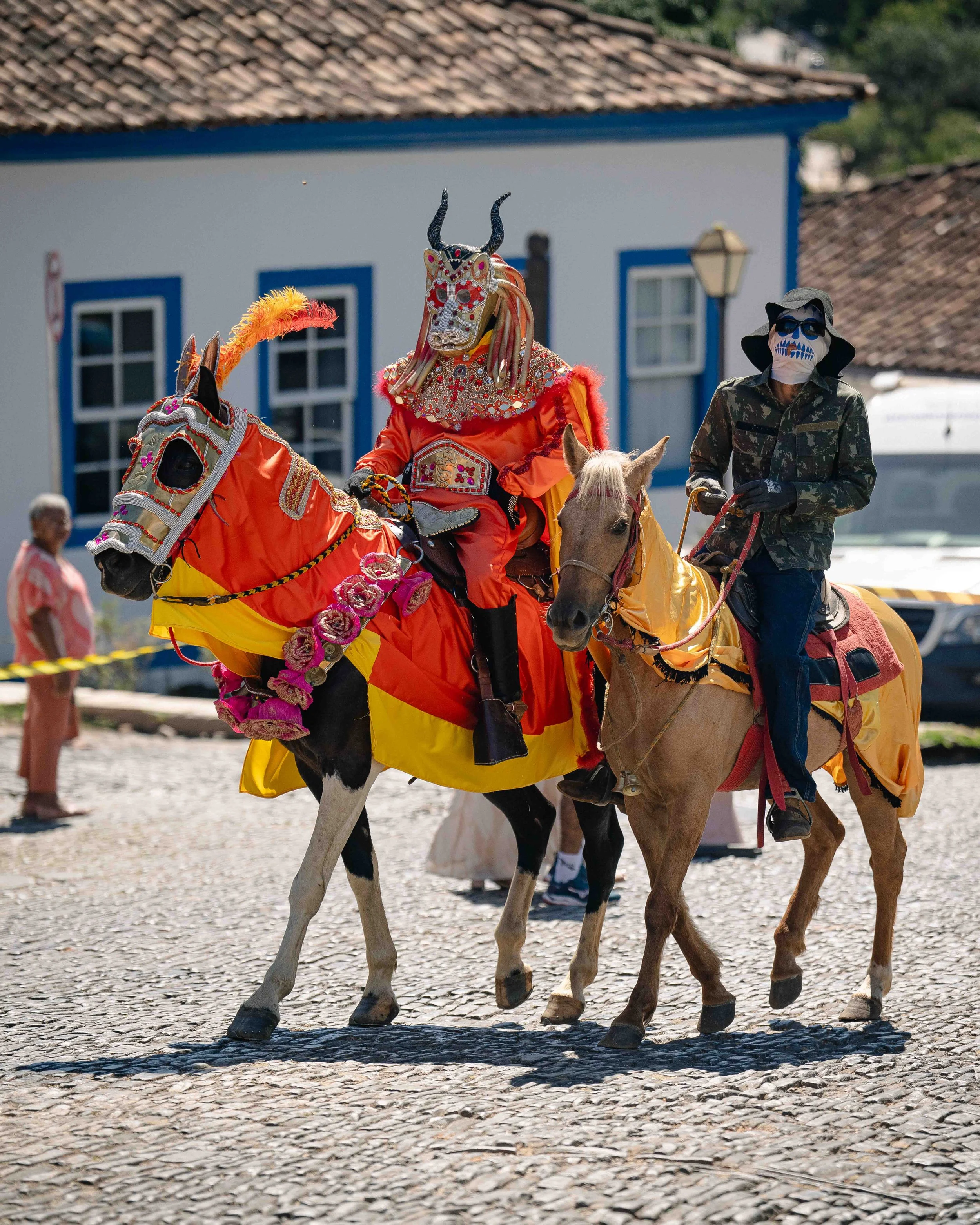
If the knights are hierarchy, the mascarados are its glorious inversion — and they are why I came home with a memory card full of color. Where the cavaleiros follow a rigid script and stand for fixed ranks, the masked riders answer to no one. They are the people, and for these days they own the streets. You hear them before you see them: hooves on stone, whoops, that strange falsetto hooting — and then they are on you, anonymous figures in clashing, joyful color, on ribboned horses or darting on foot, pouring through the wide avenues and the narrow alleys in a controlled riot of noise and mischief. I could have photographed them all day. I more or less did.
Se os cavaleiros são a hierarquia, os mascarados são a sua gloriosa inversão — e são o motivo de eu ter voltado para casa com um cartão de memória cheio de cor. Onde os cavaleiros seguem um roteiro rígido e representam postos fixos, os mascarados não devem satisfação a ninguém. São o povo, e nesses dias as ruas são deles. Você os ouve antes de vê-los: cascos na pedra, gritos, aquele estranho assobio em falsete — e de repente estão em cima de você, figuras anônimas numa cor berrante e alegre, em cavalos enfeitados ou a pé, despejando-se pelas avenidas largas e pelos becos estreitos numa baderna controlada de barulho e travessura. Eu poderia tê-los fotografado o dia inteiro. Mais ou menos foi o que fiz.
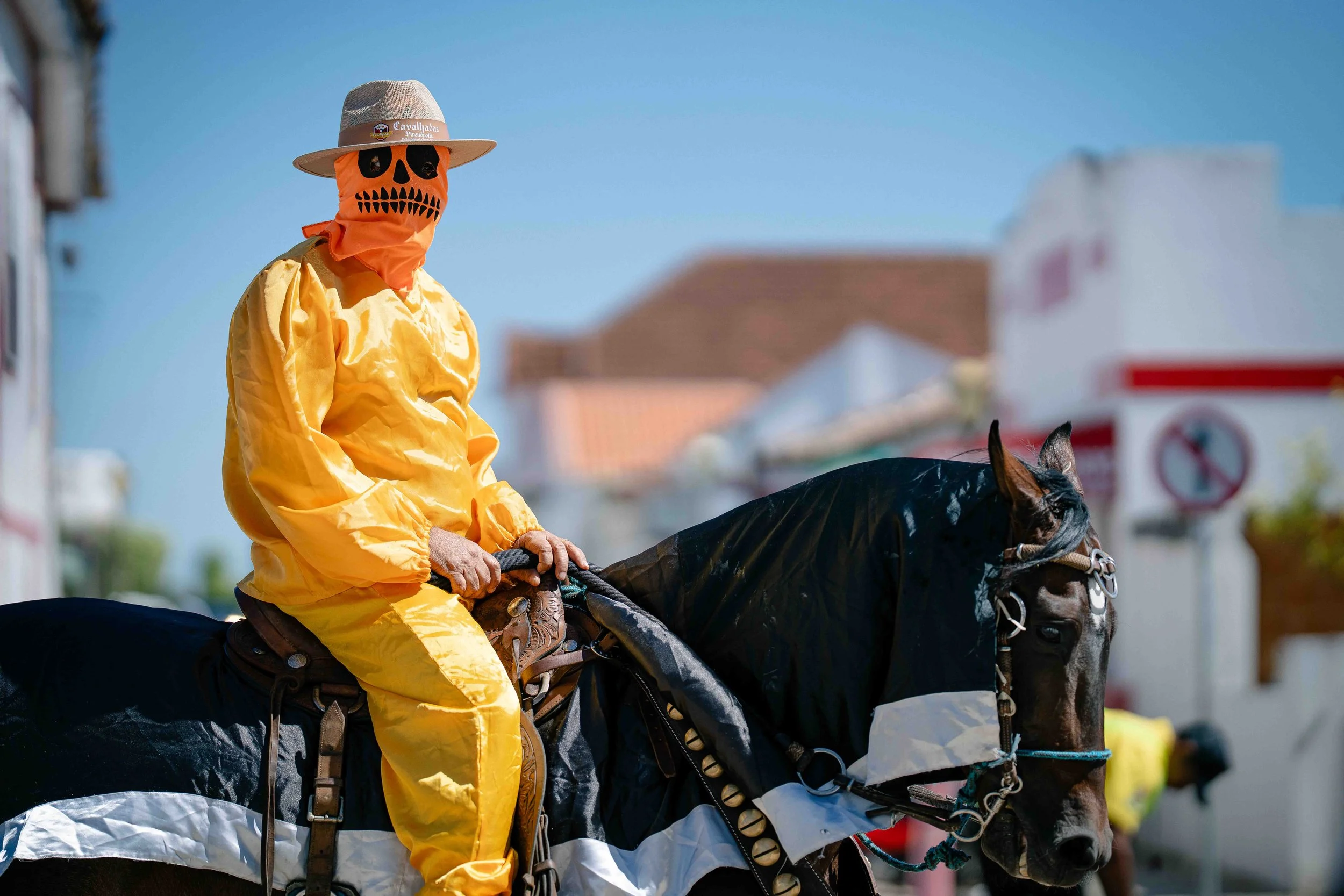
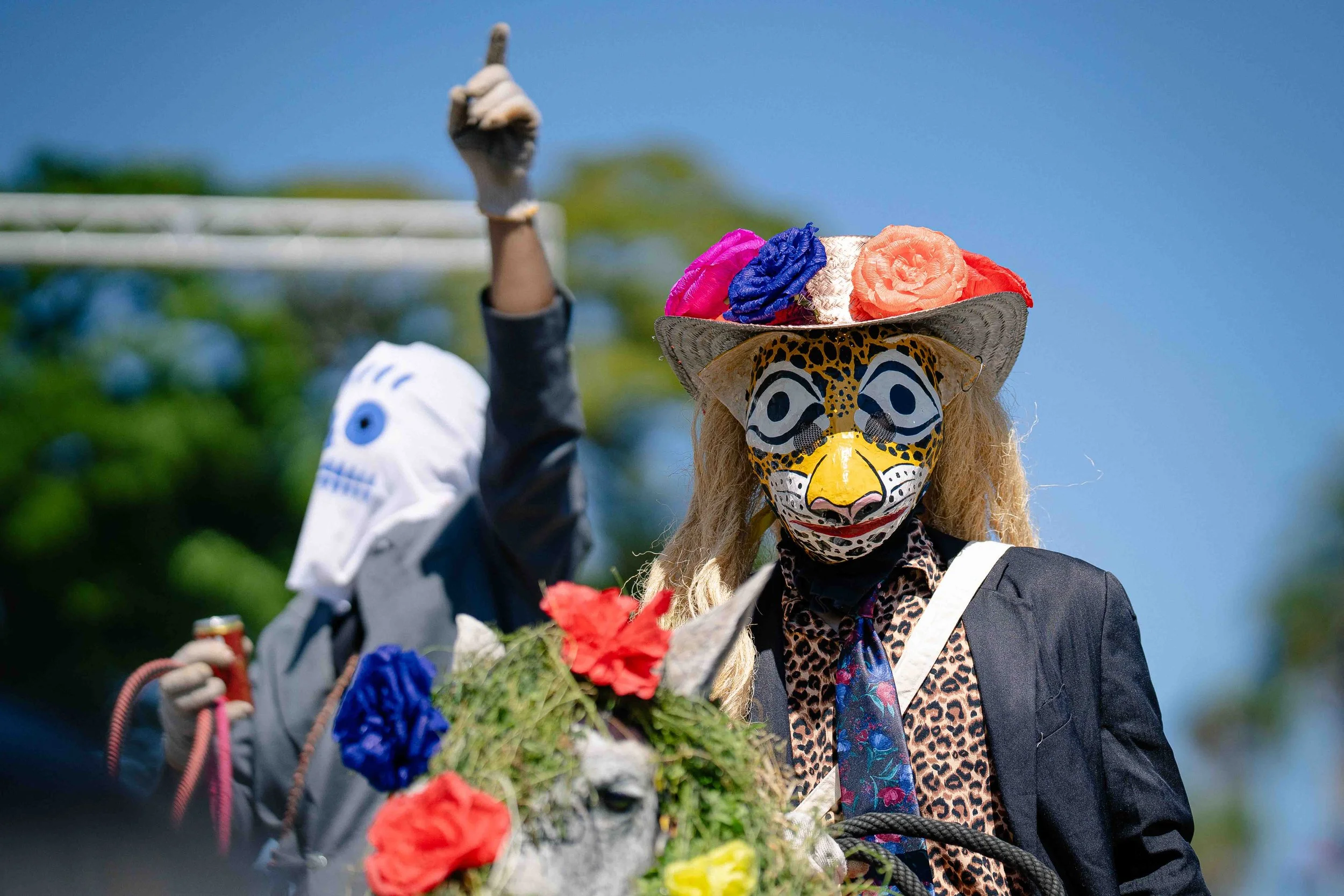
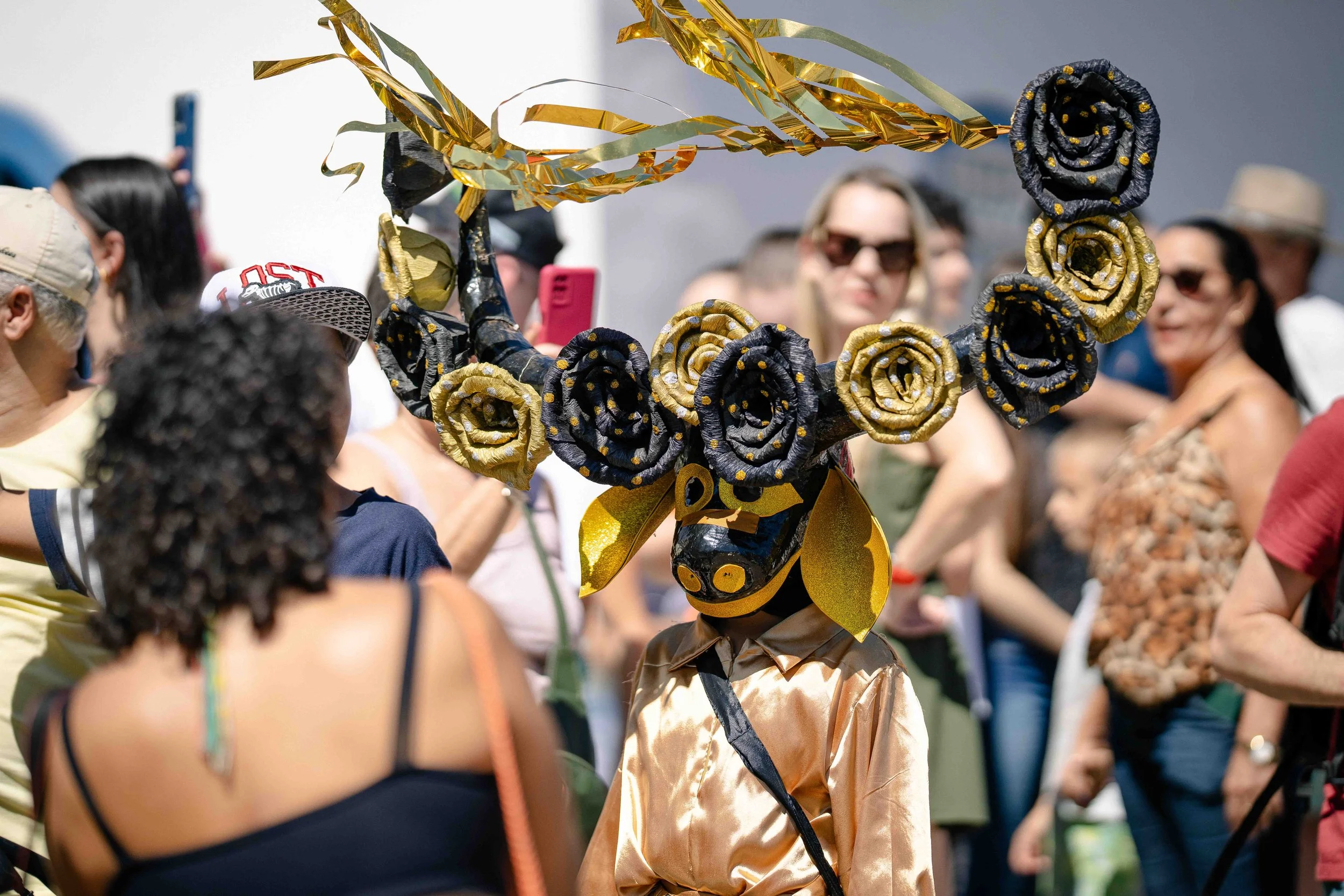
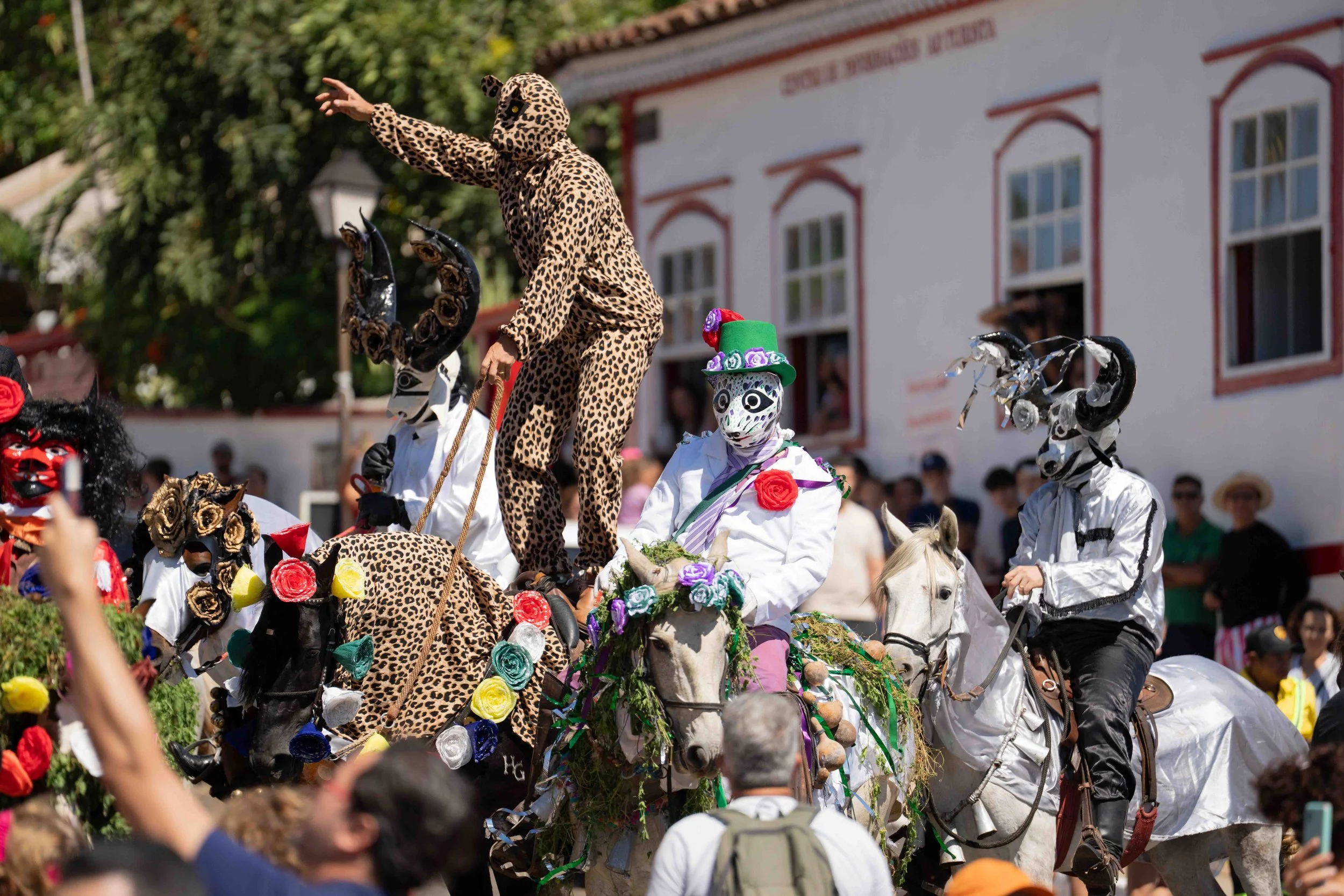
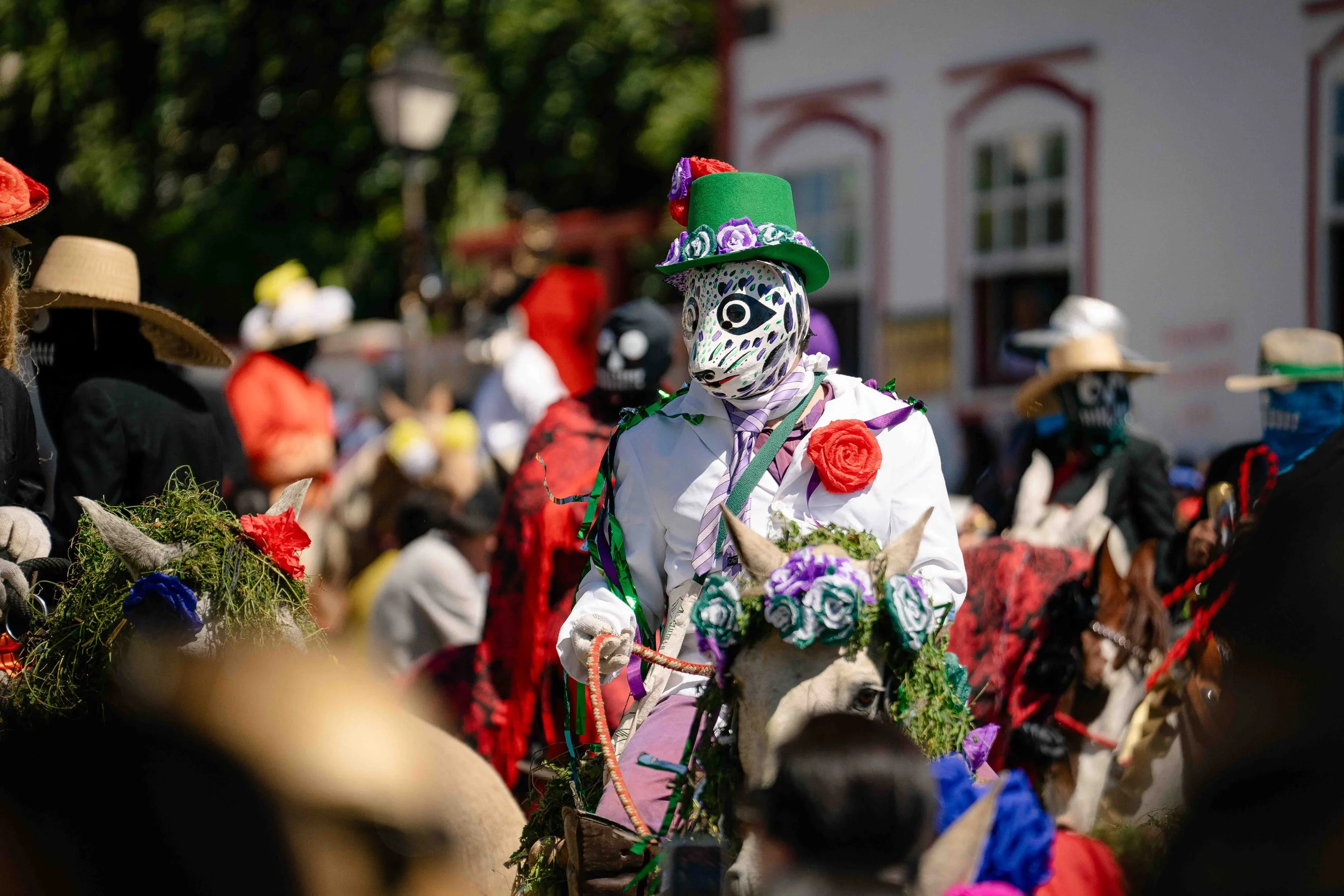
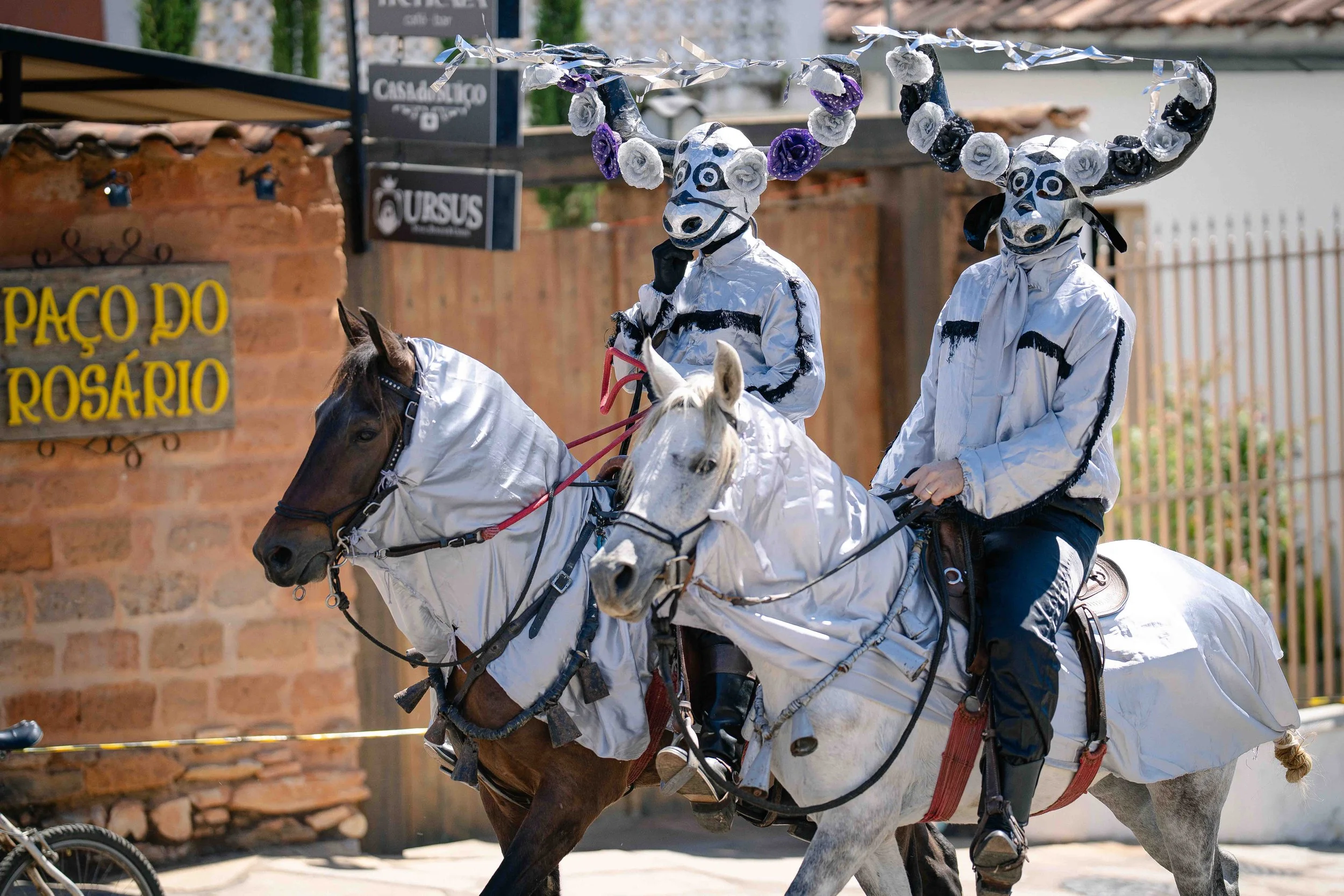
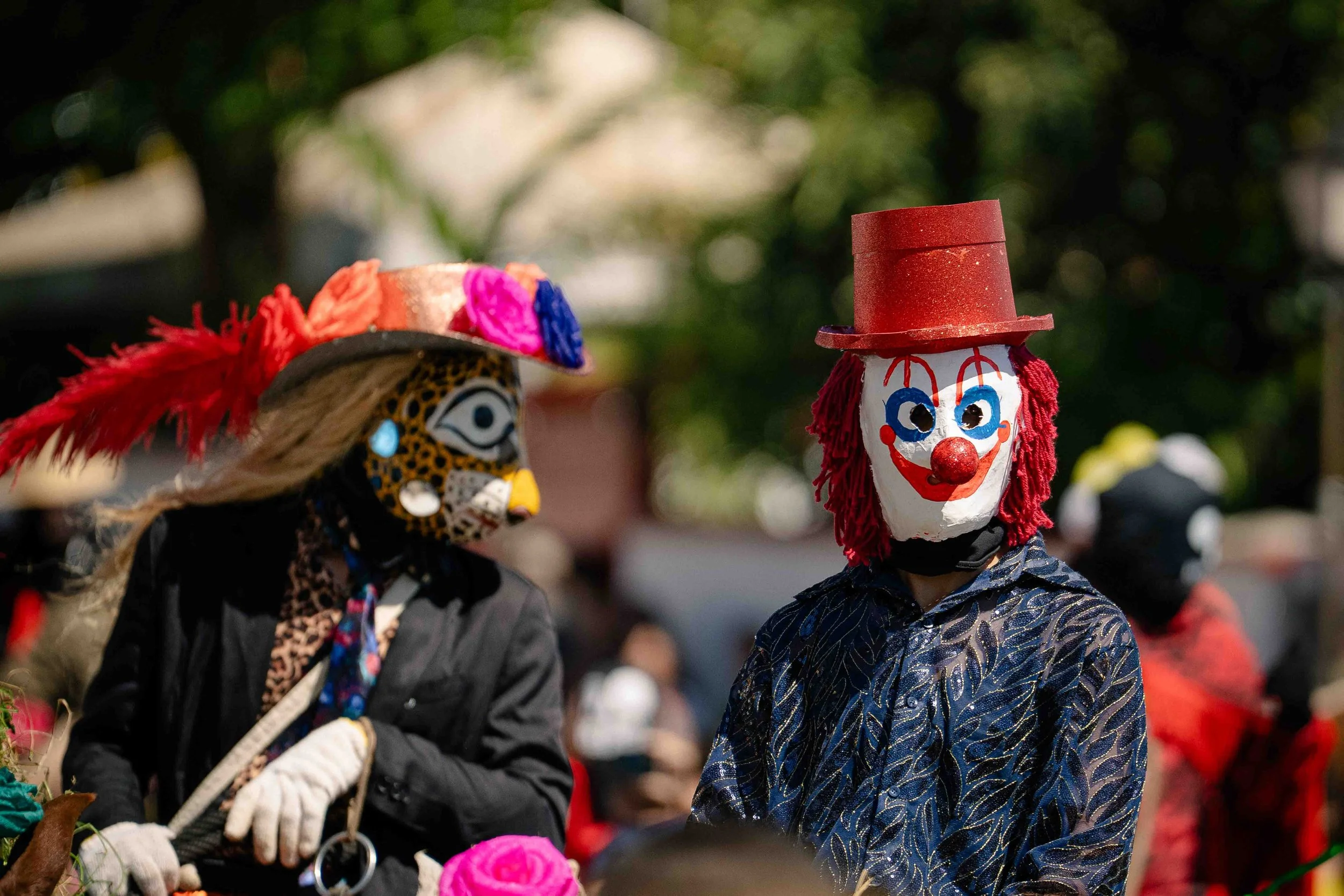
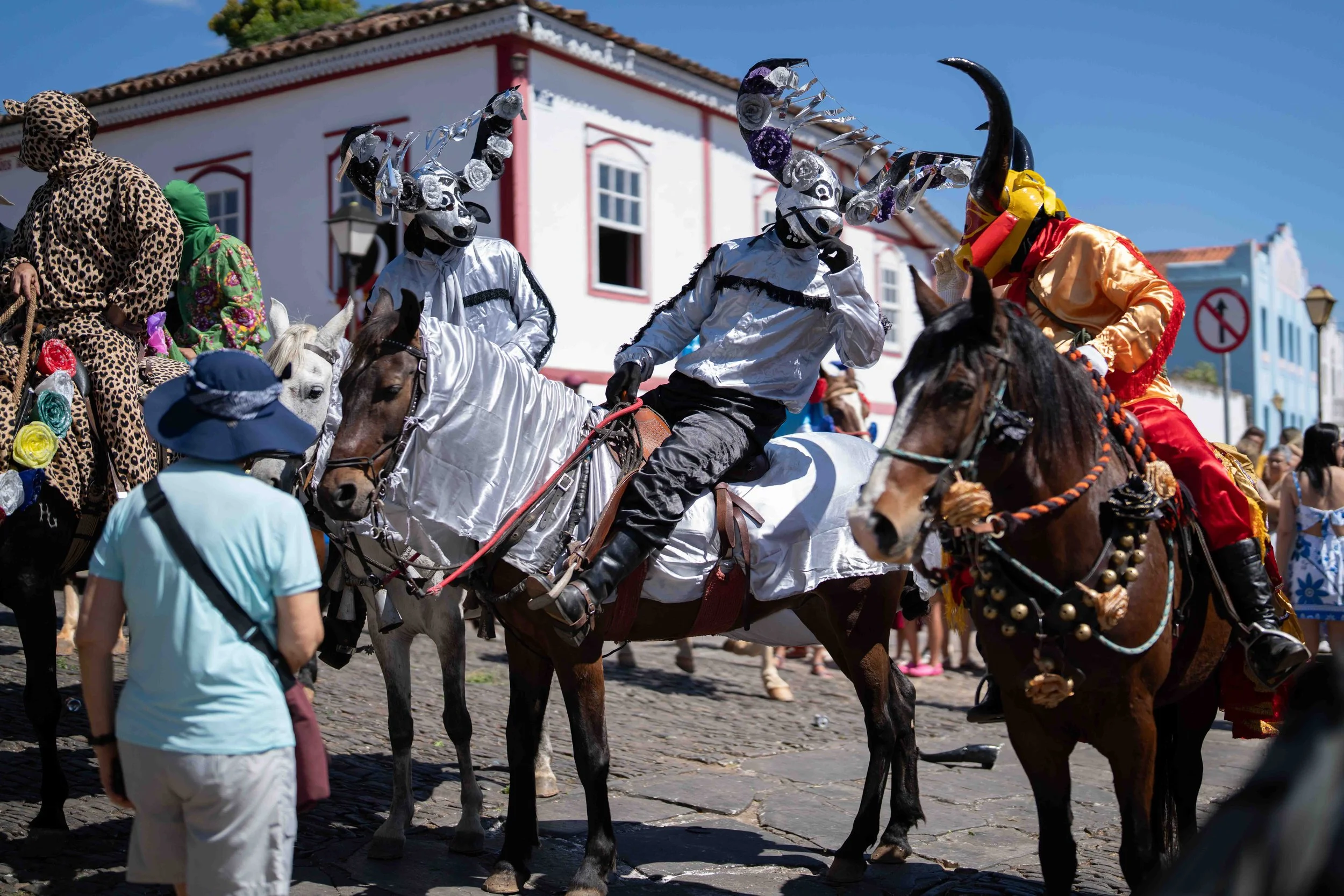
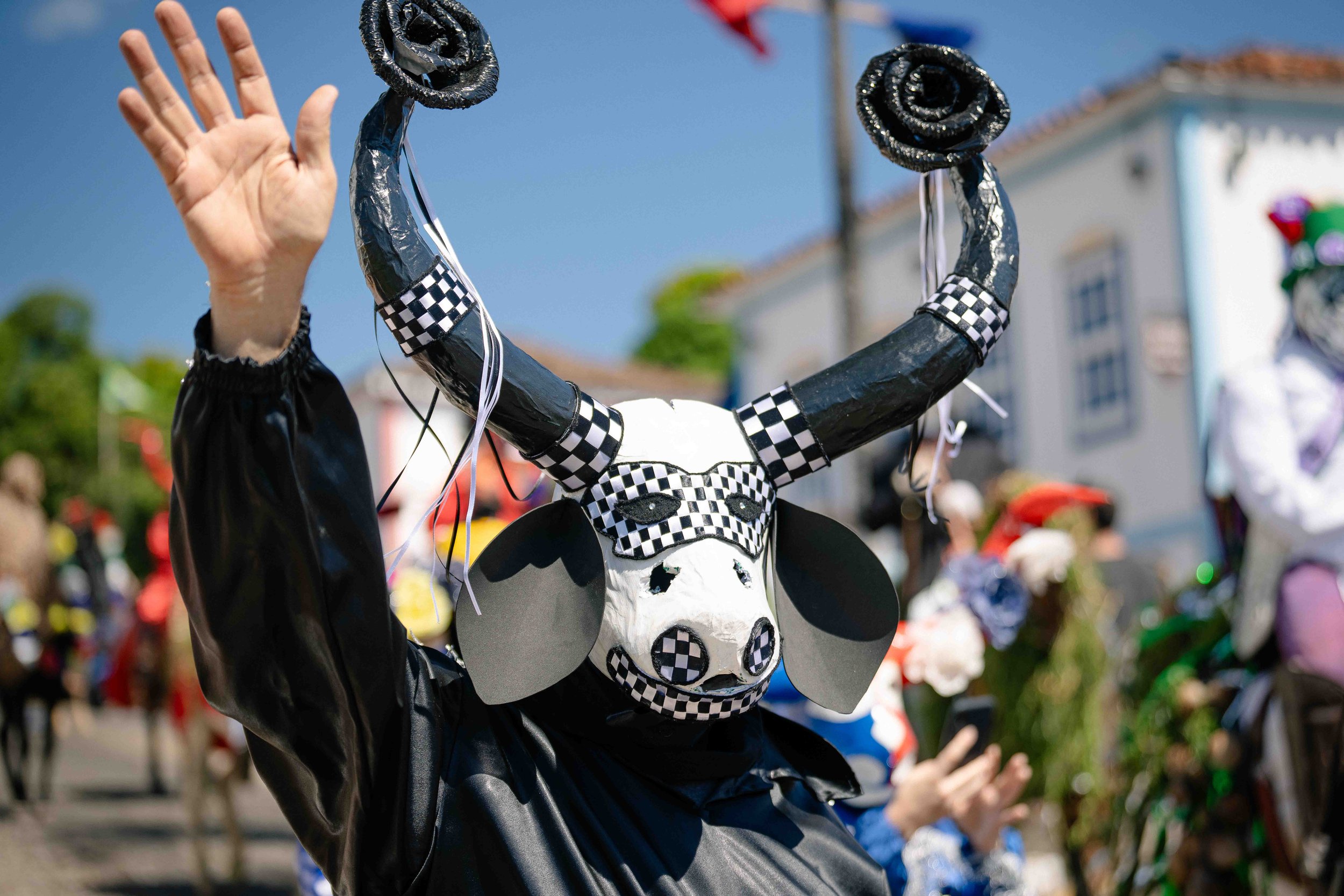
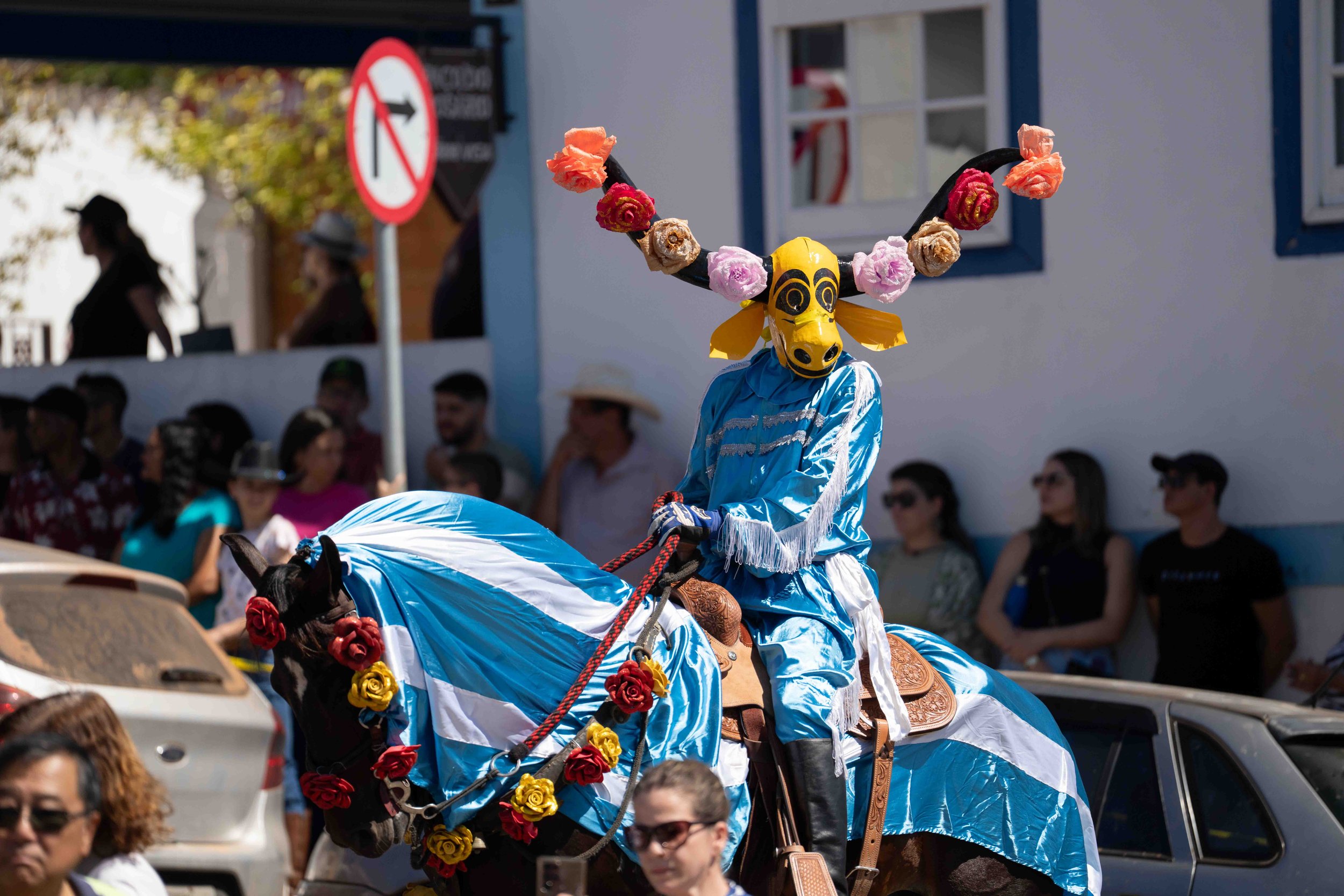
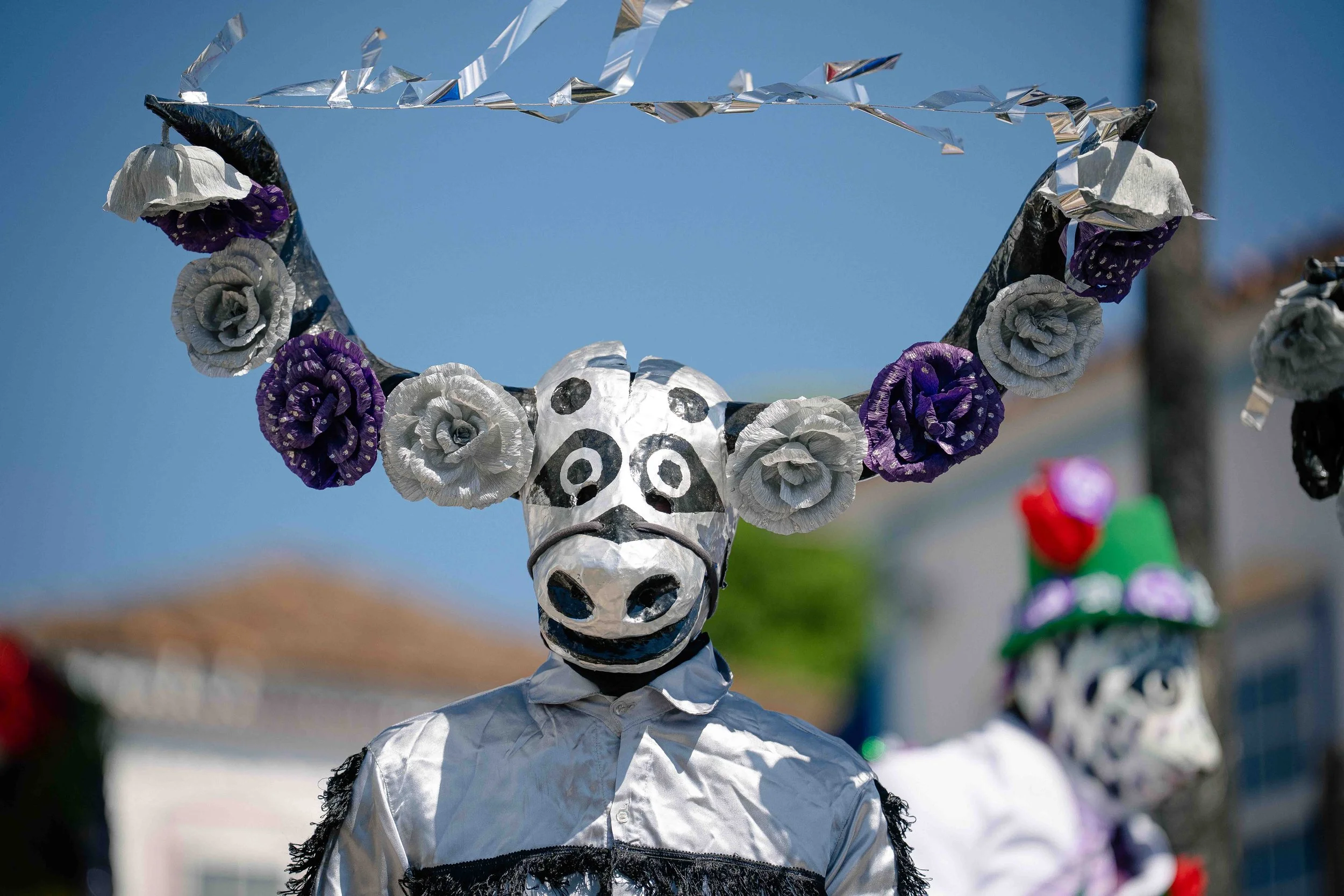
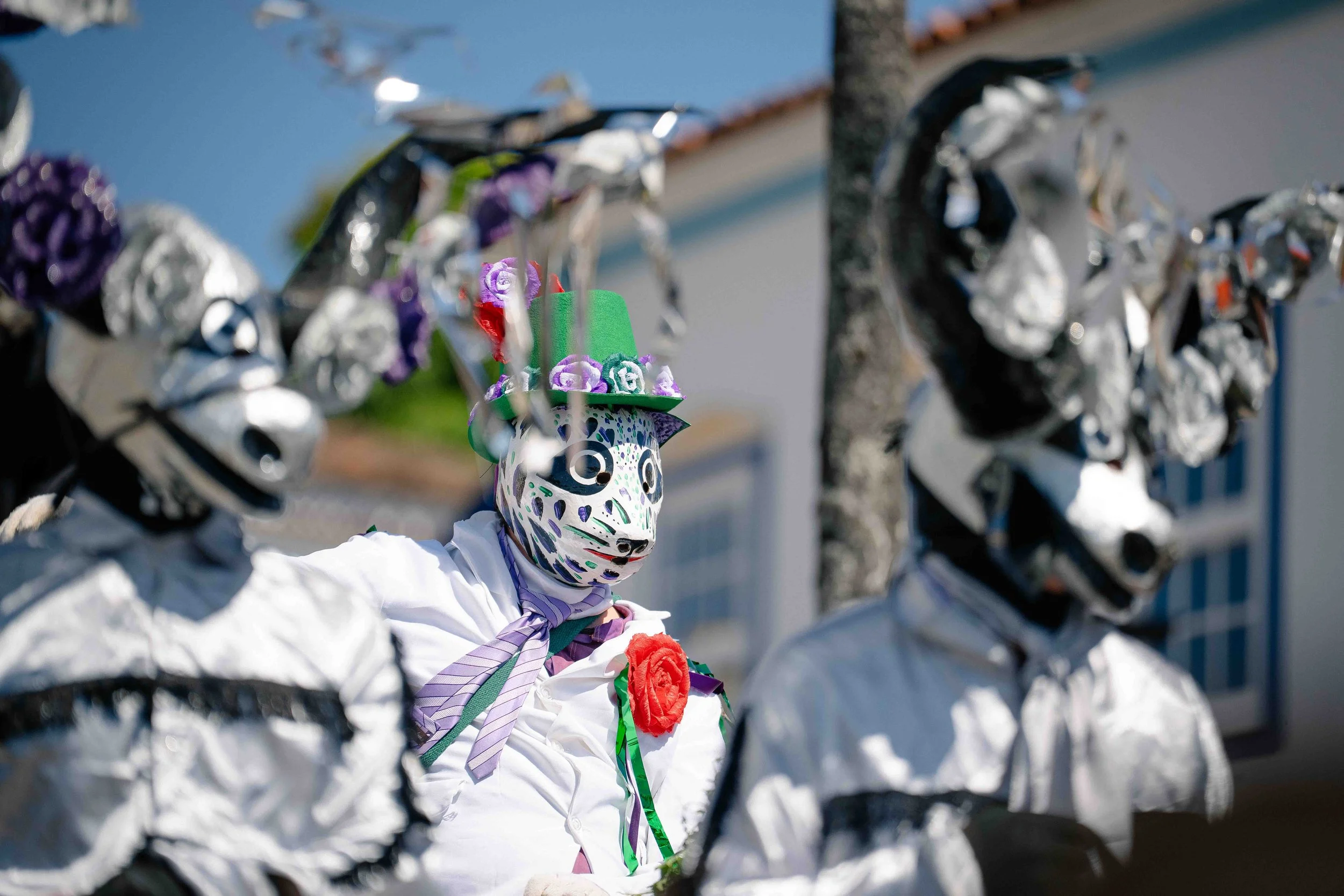
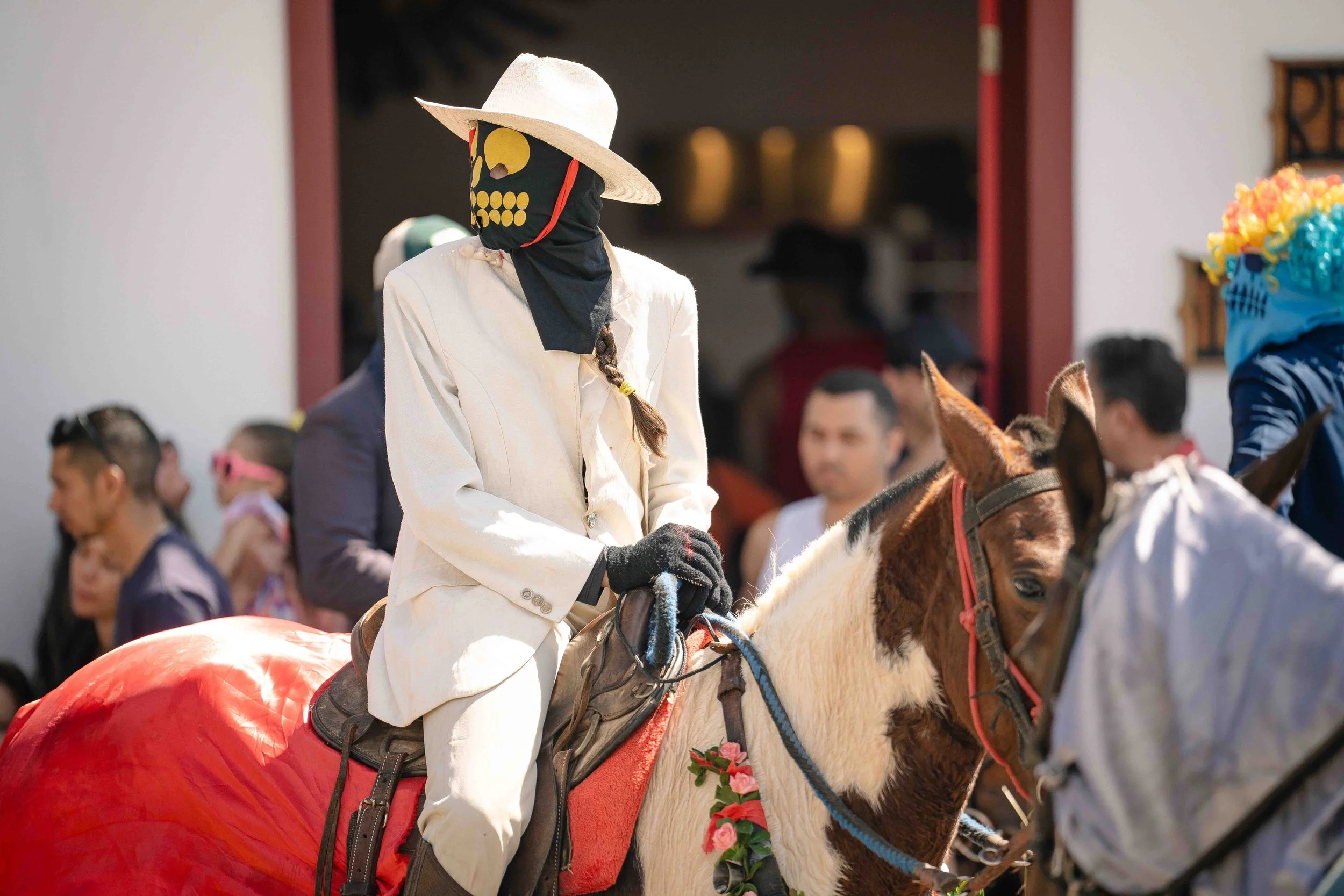
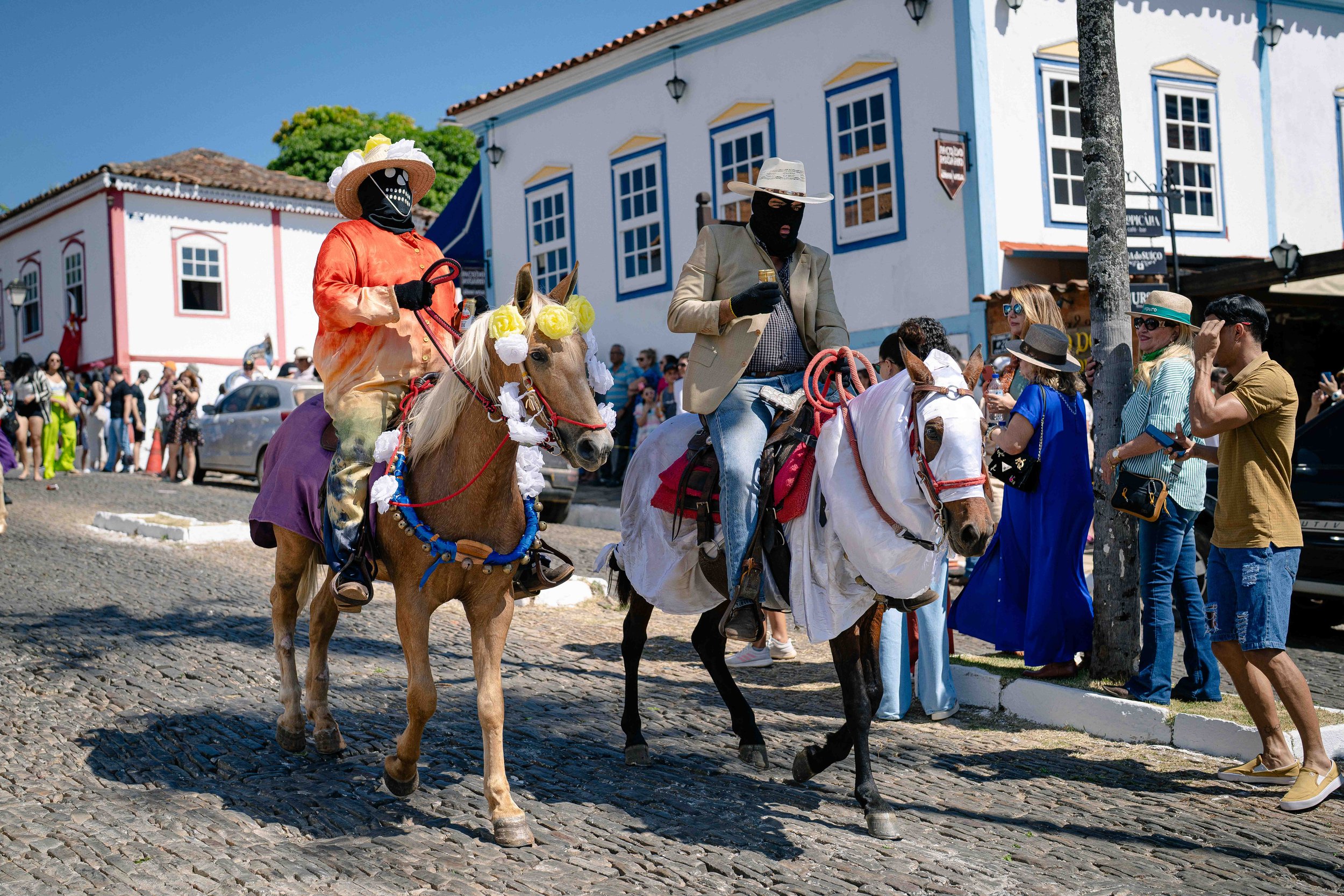
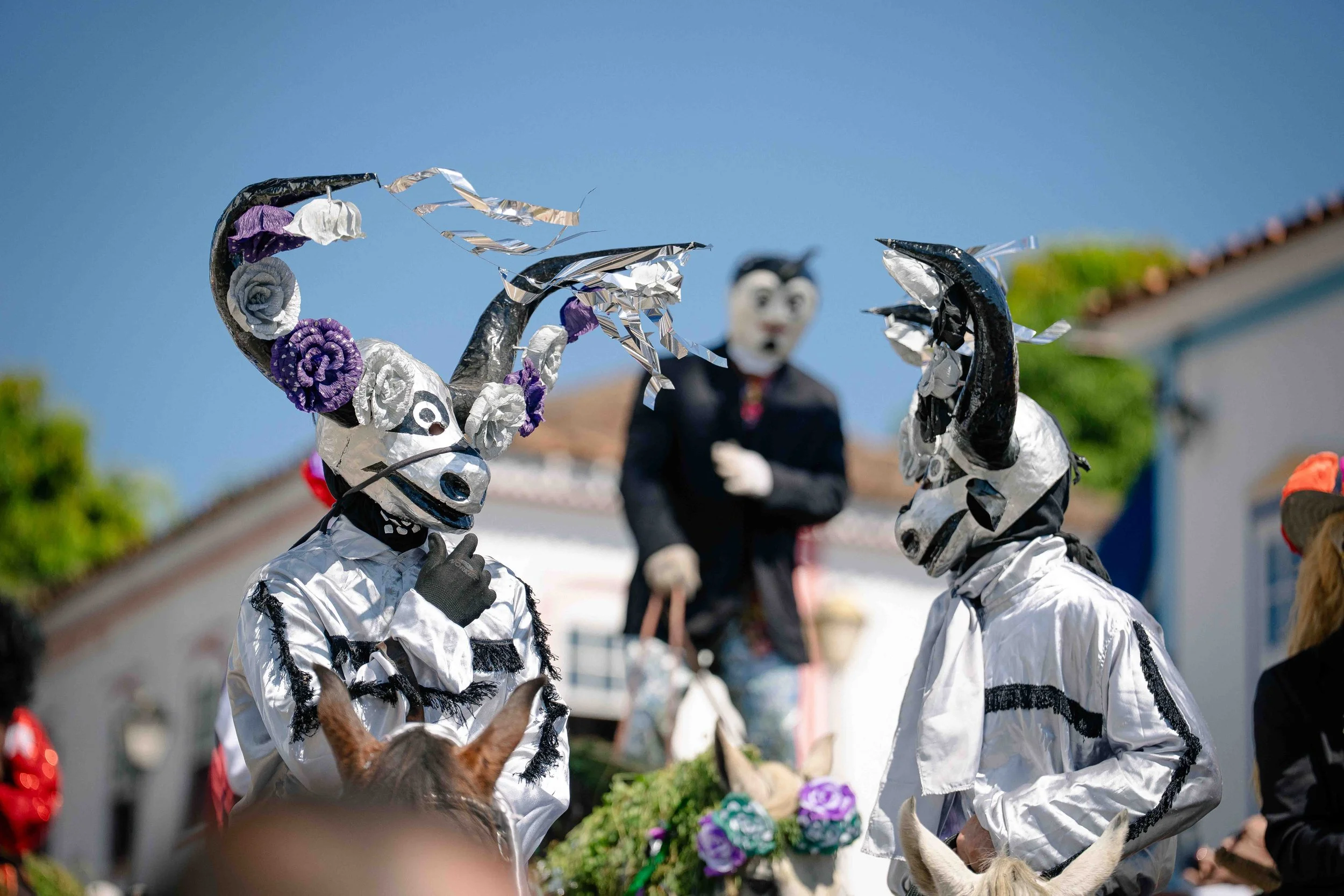
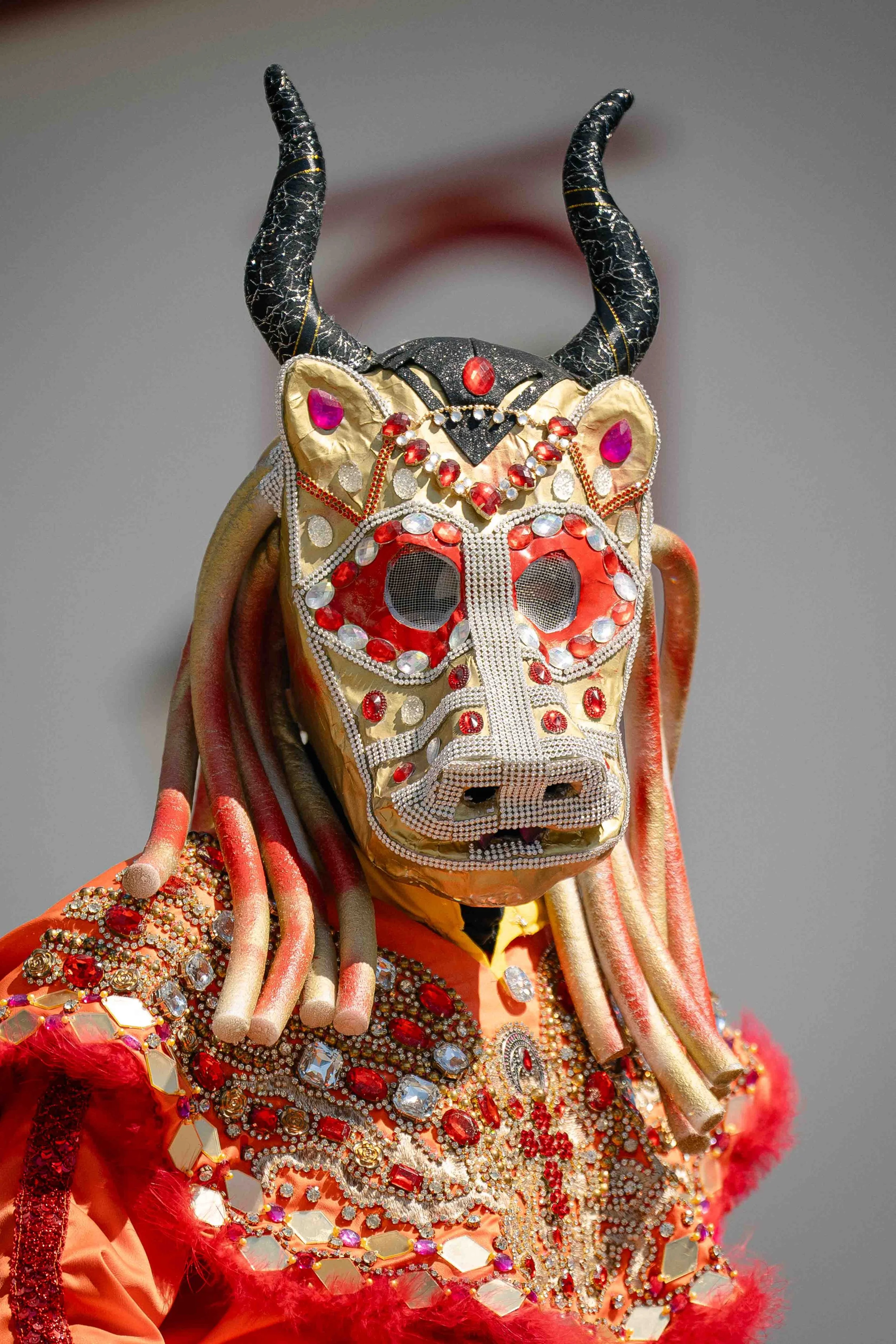
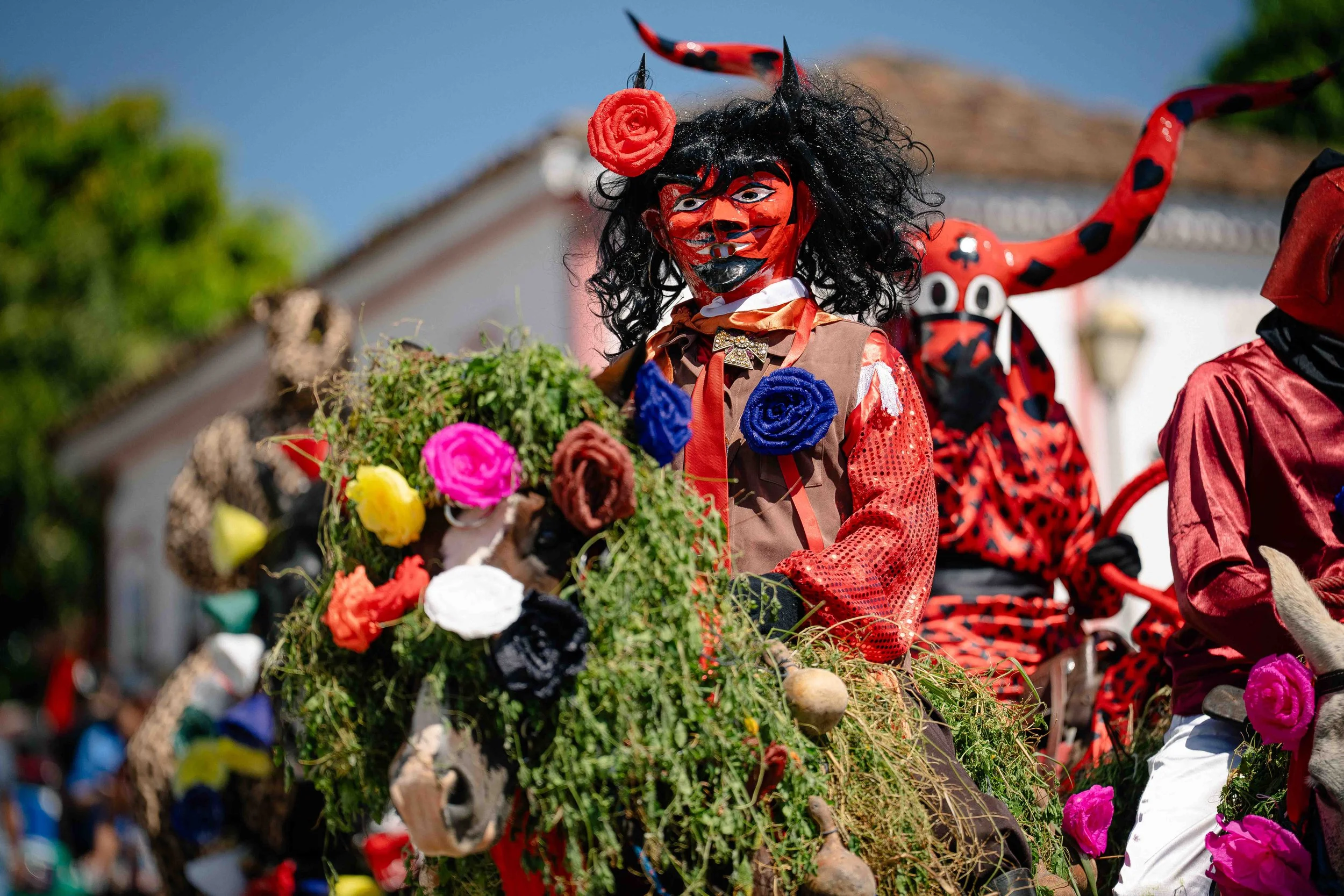
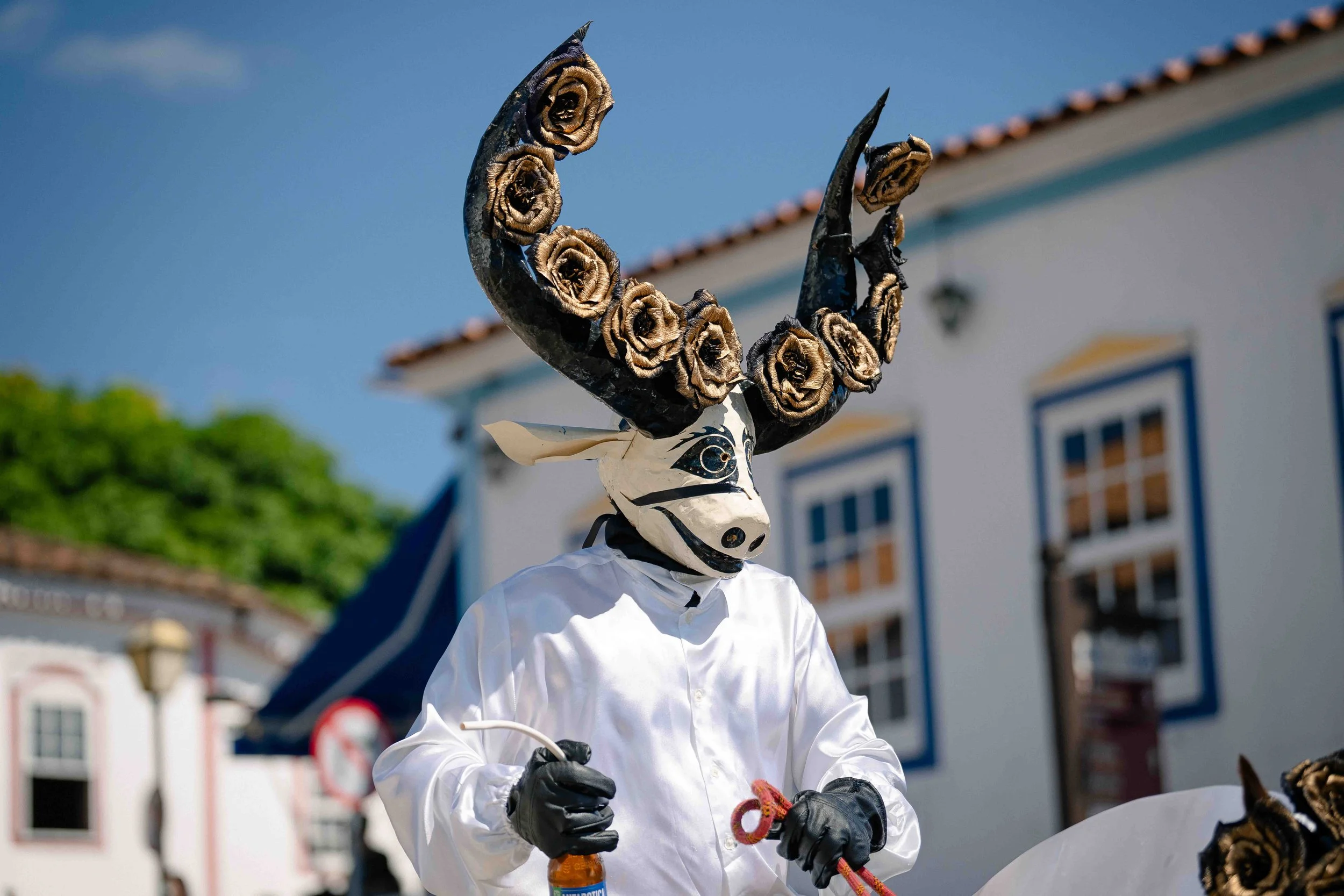
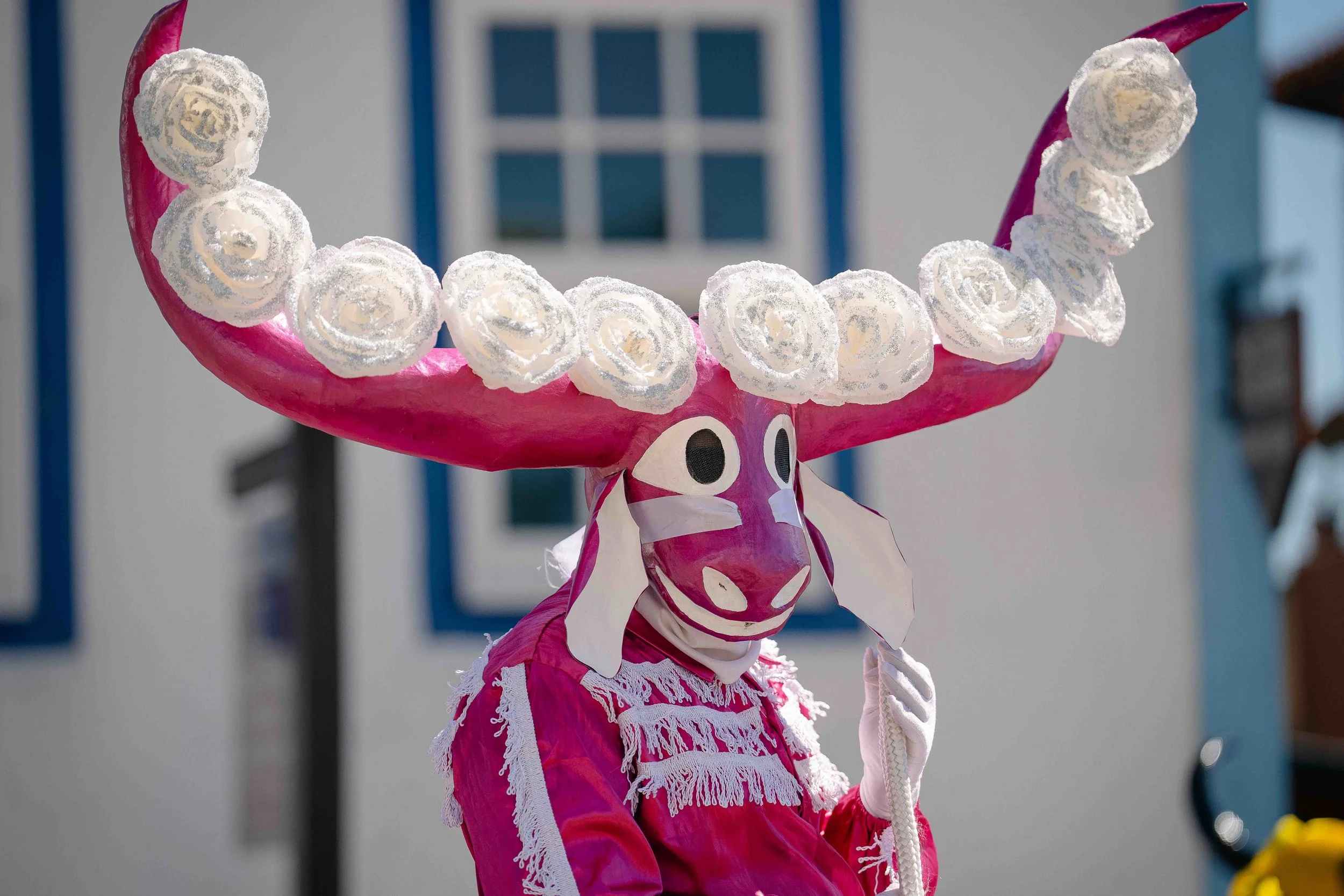
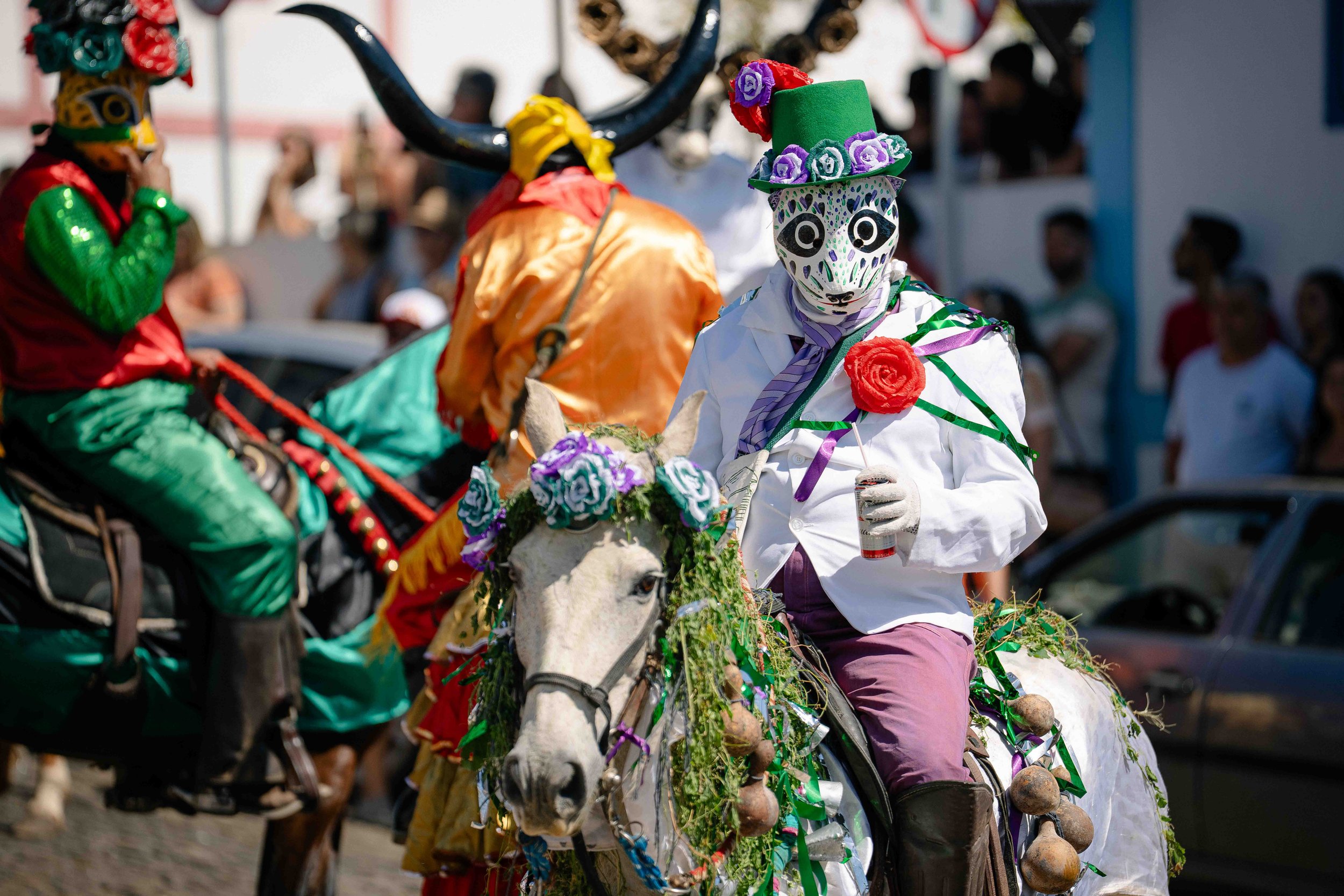
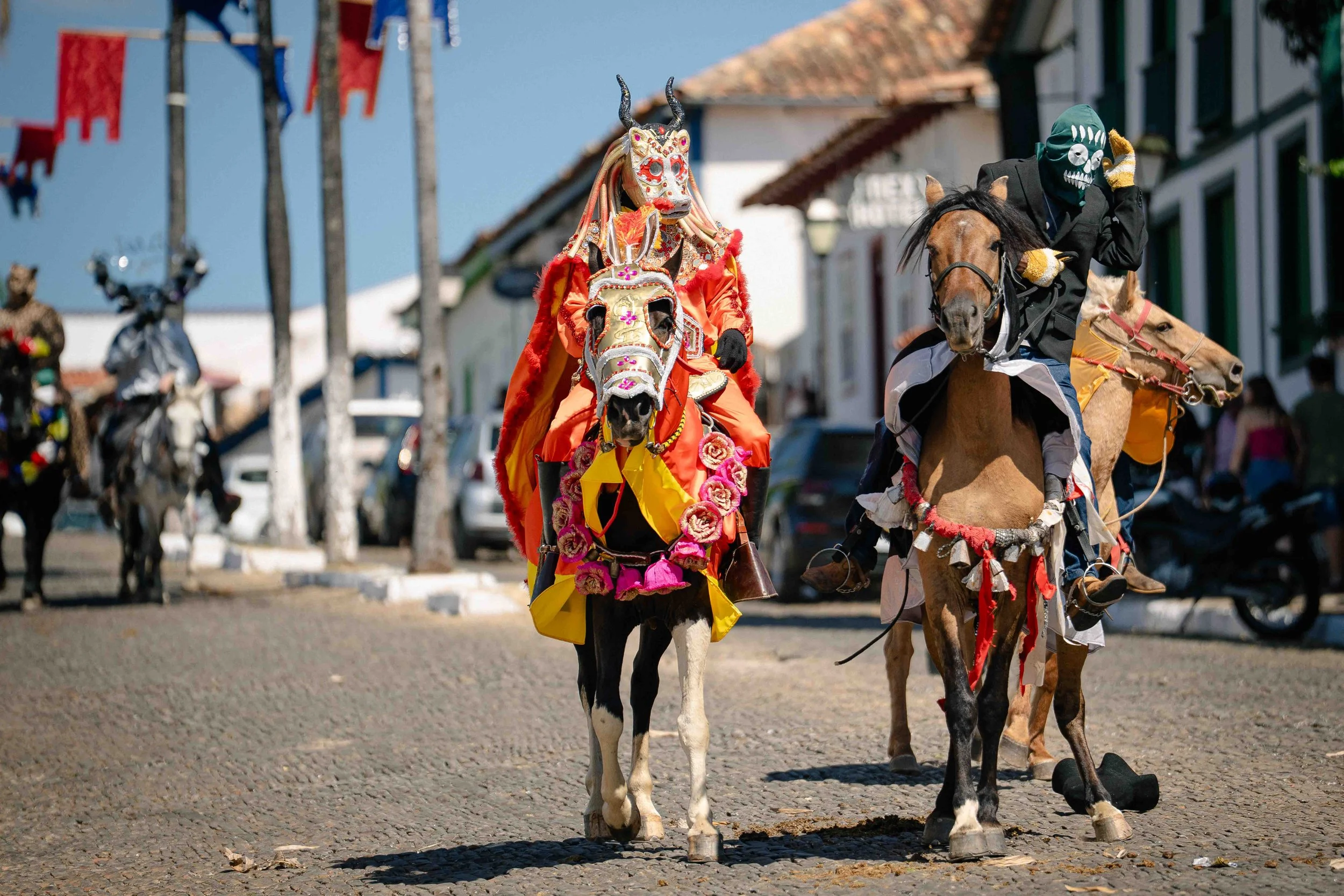
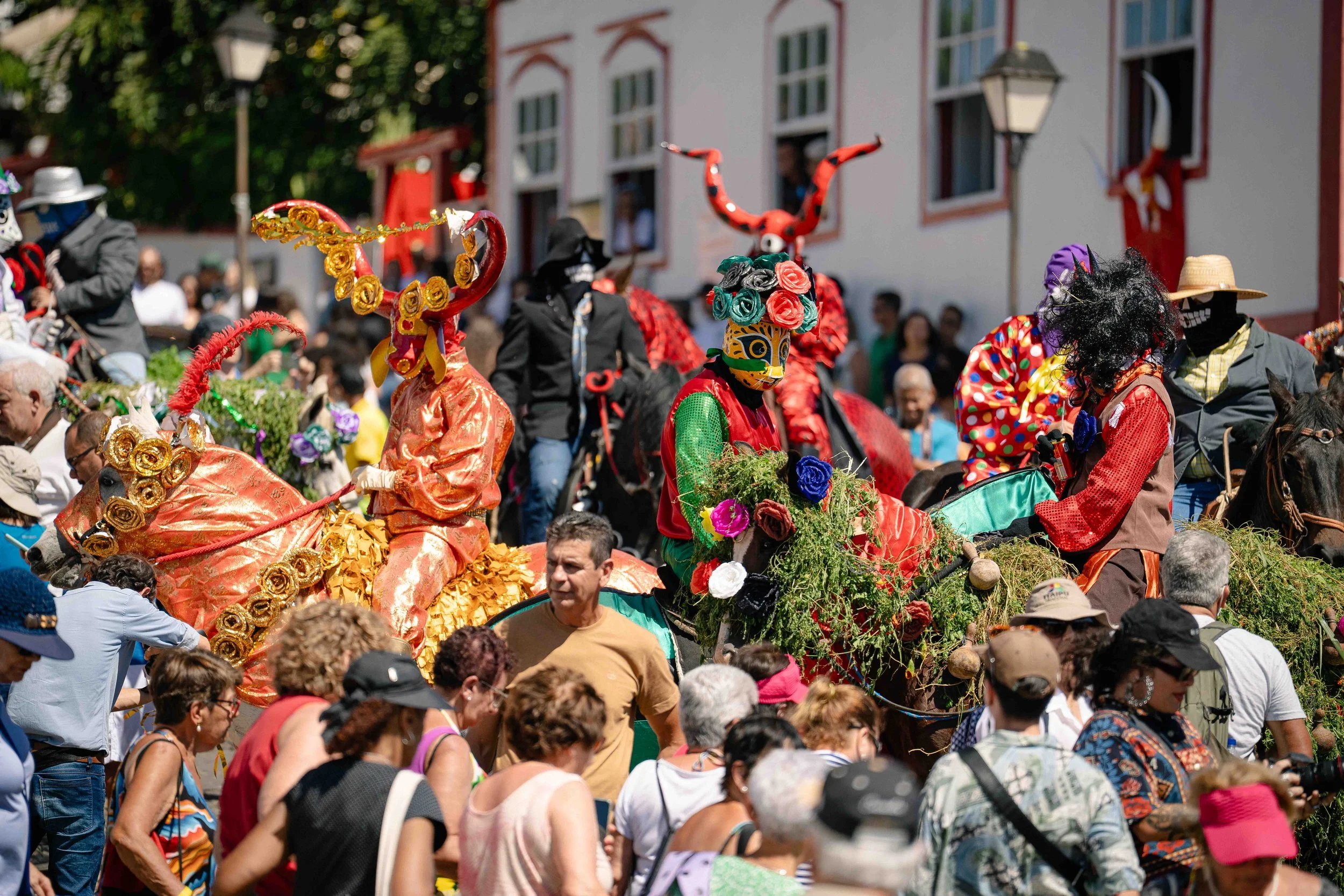
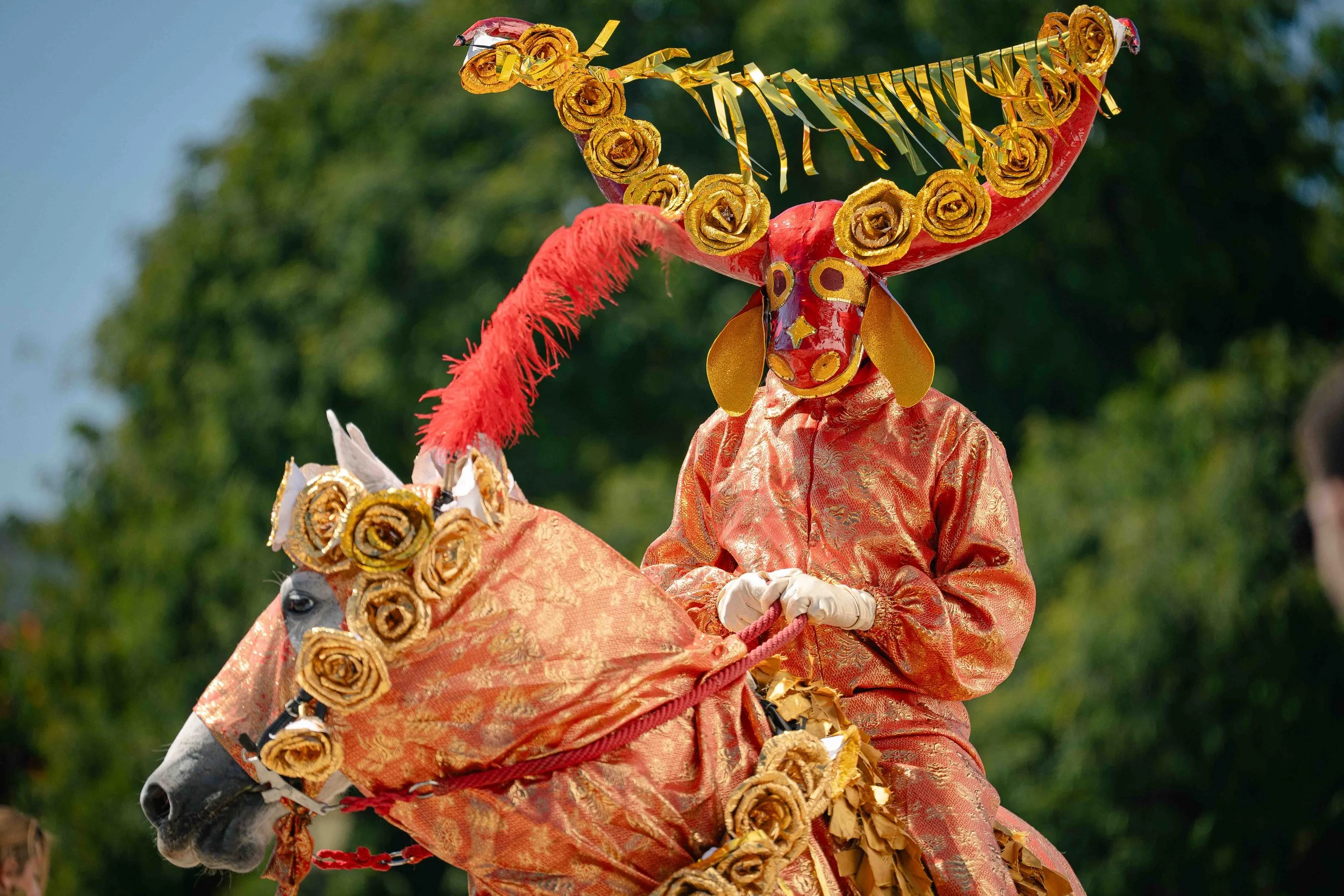
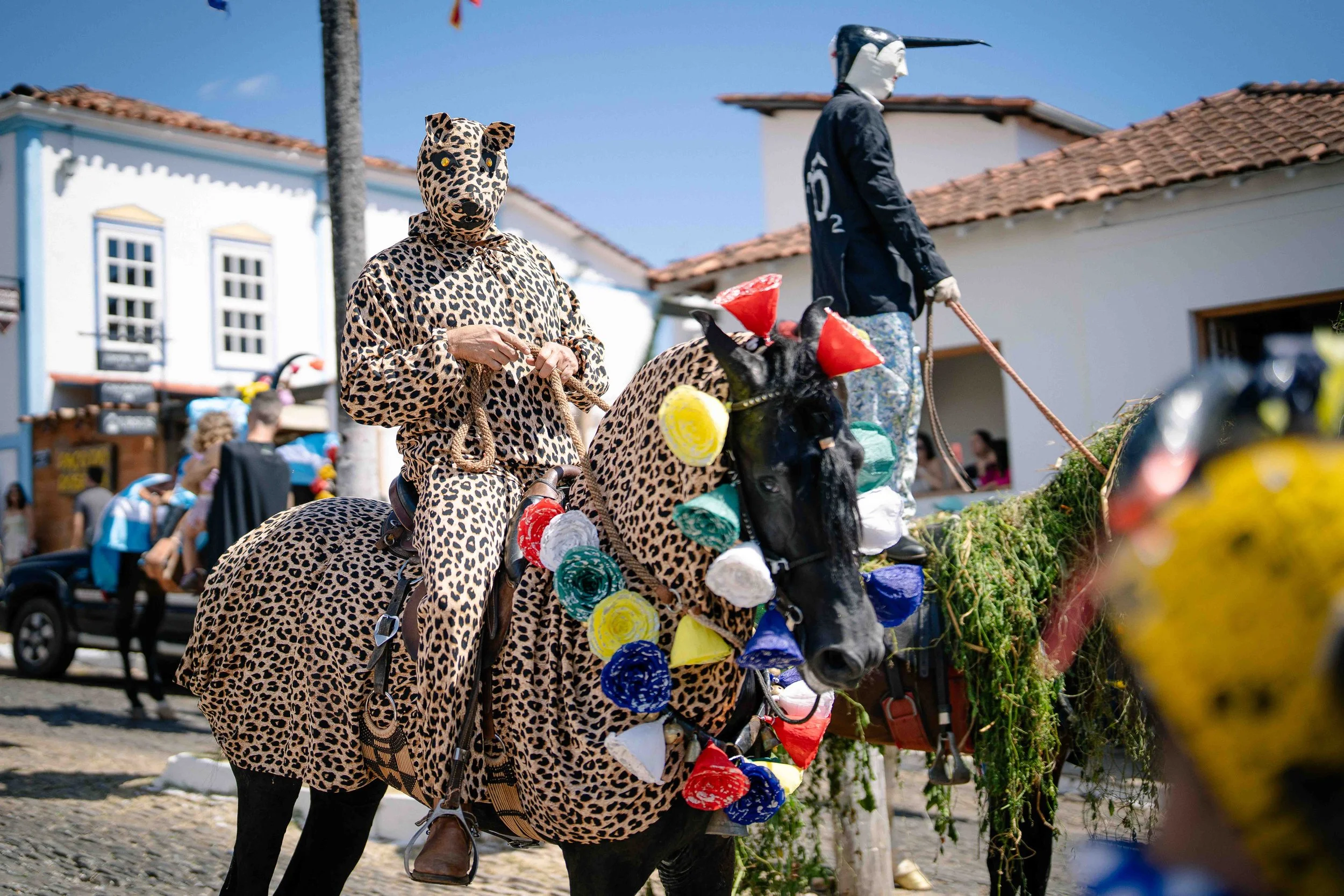
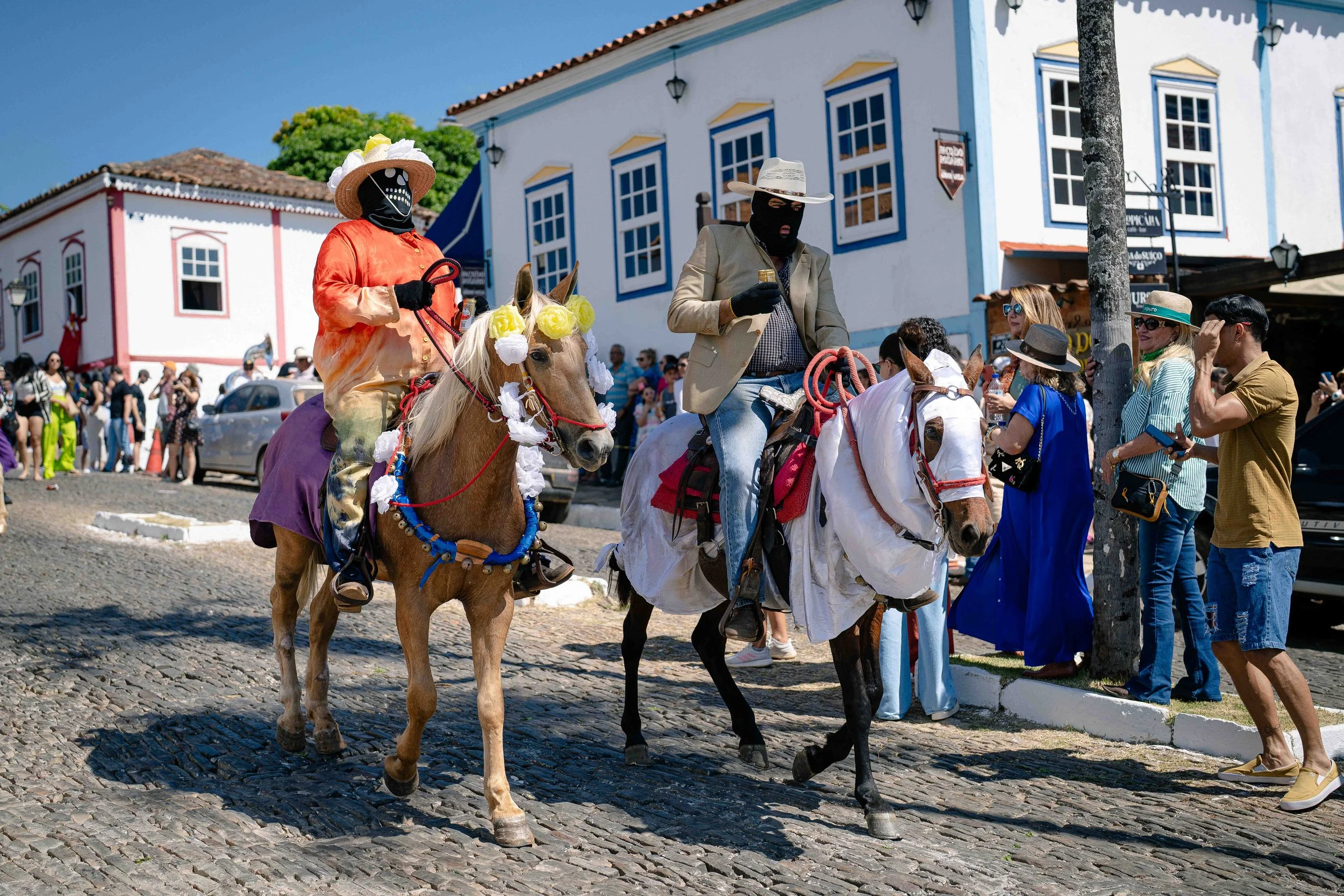
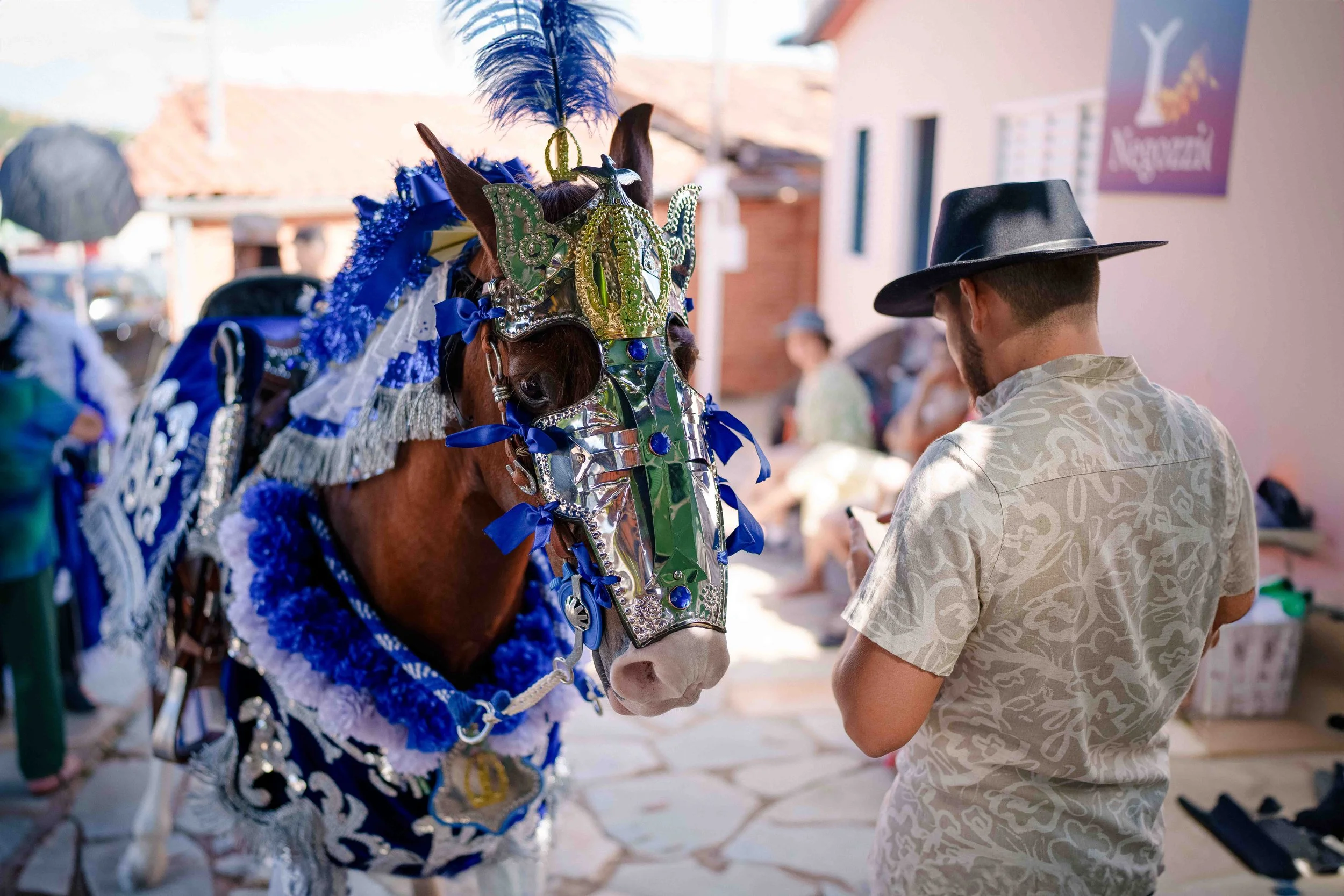
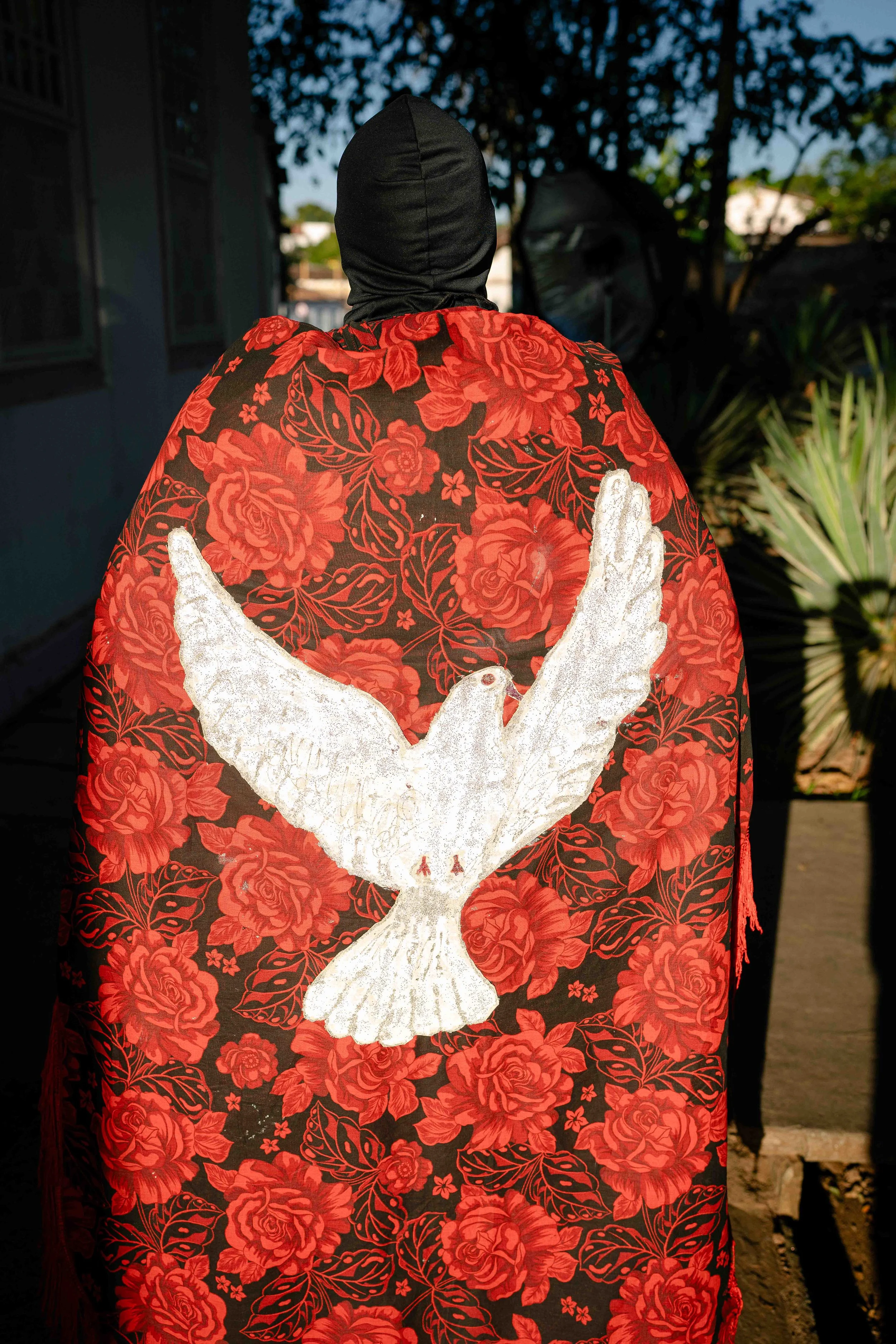
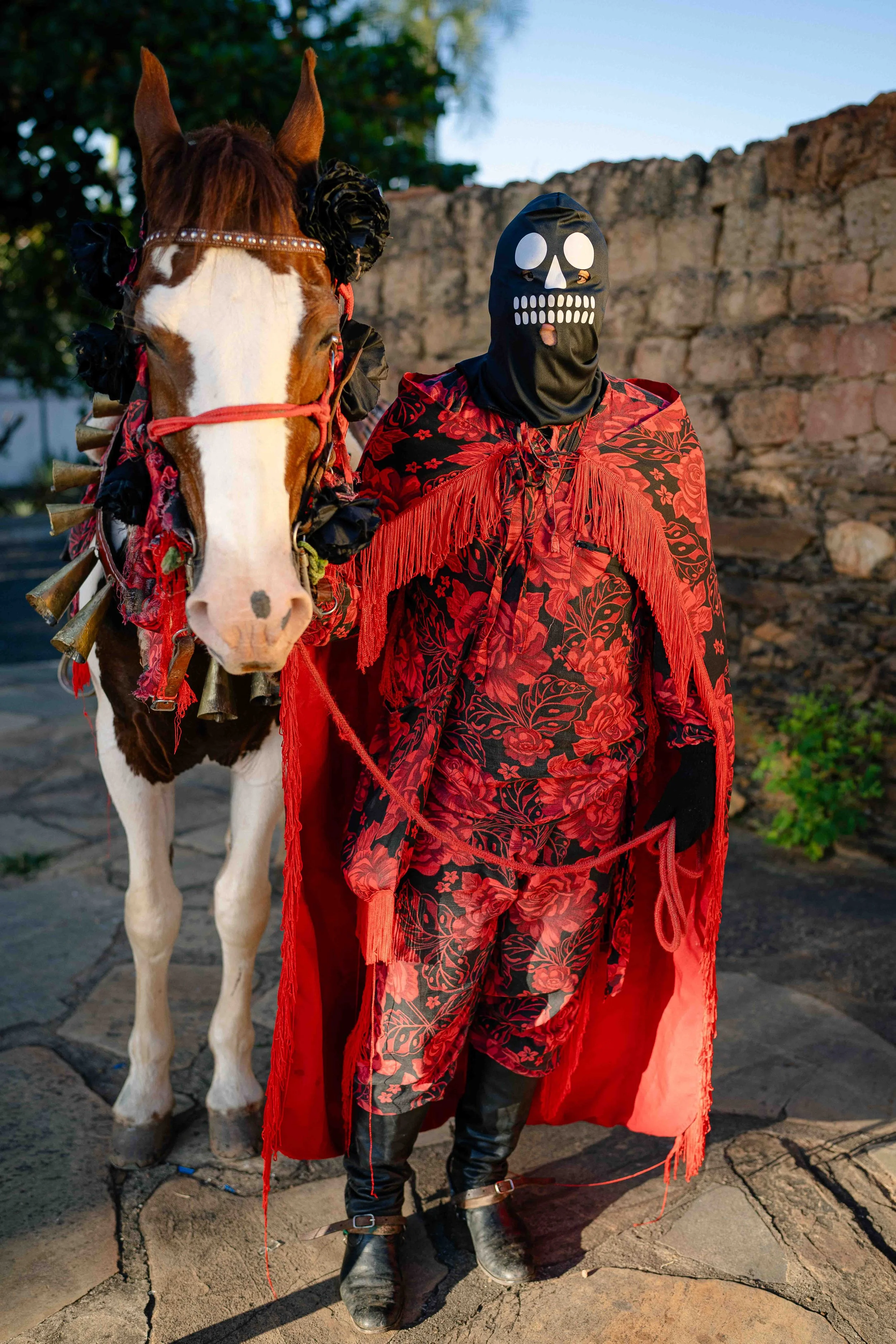
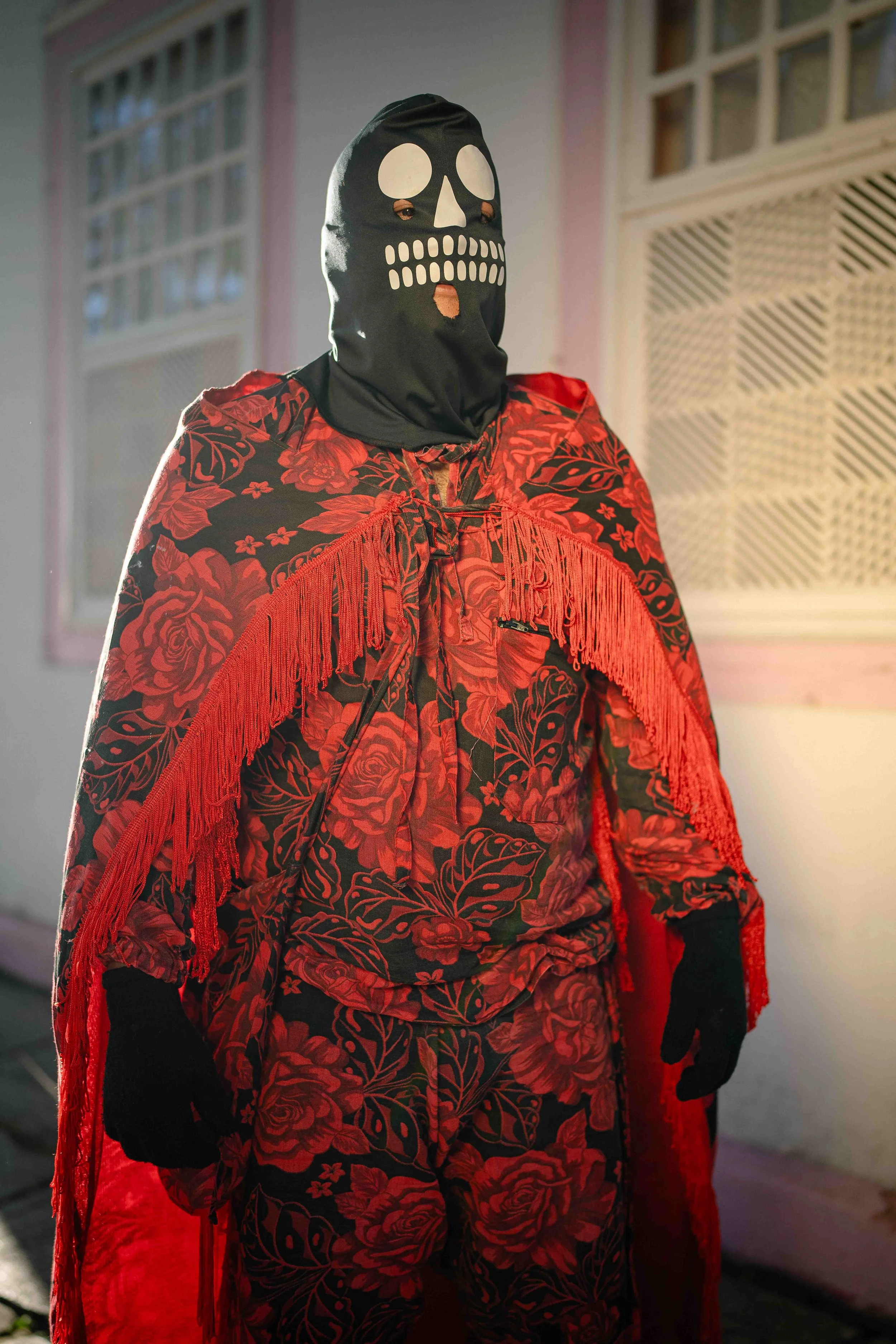
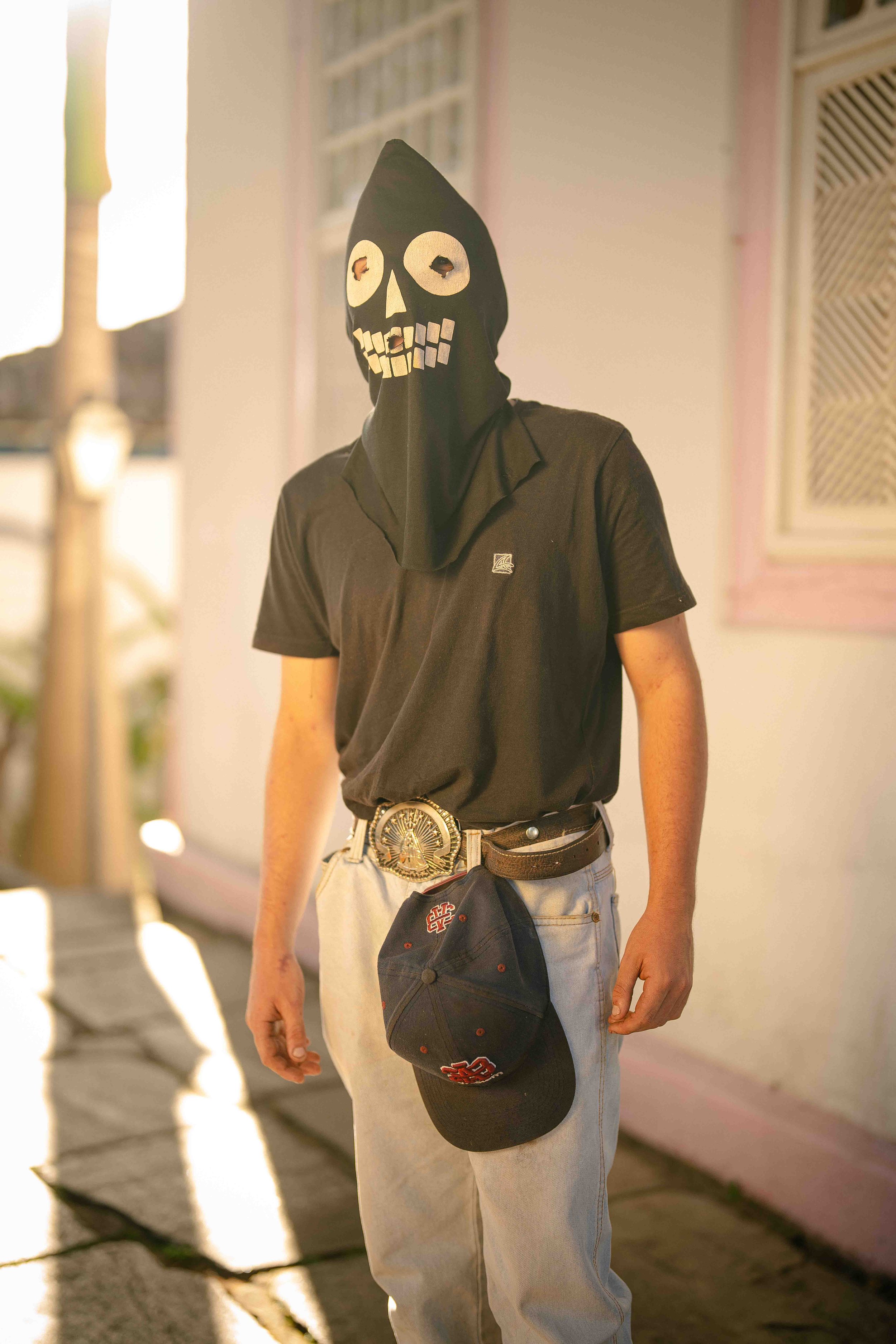
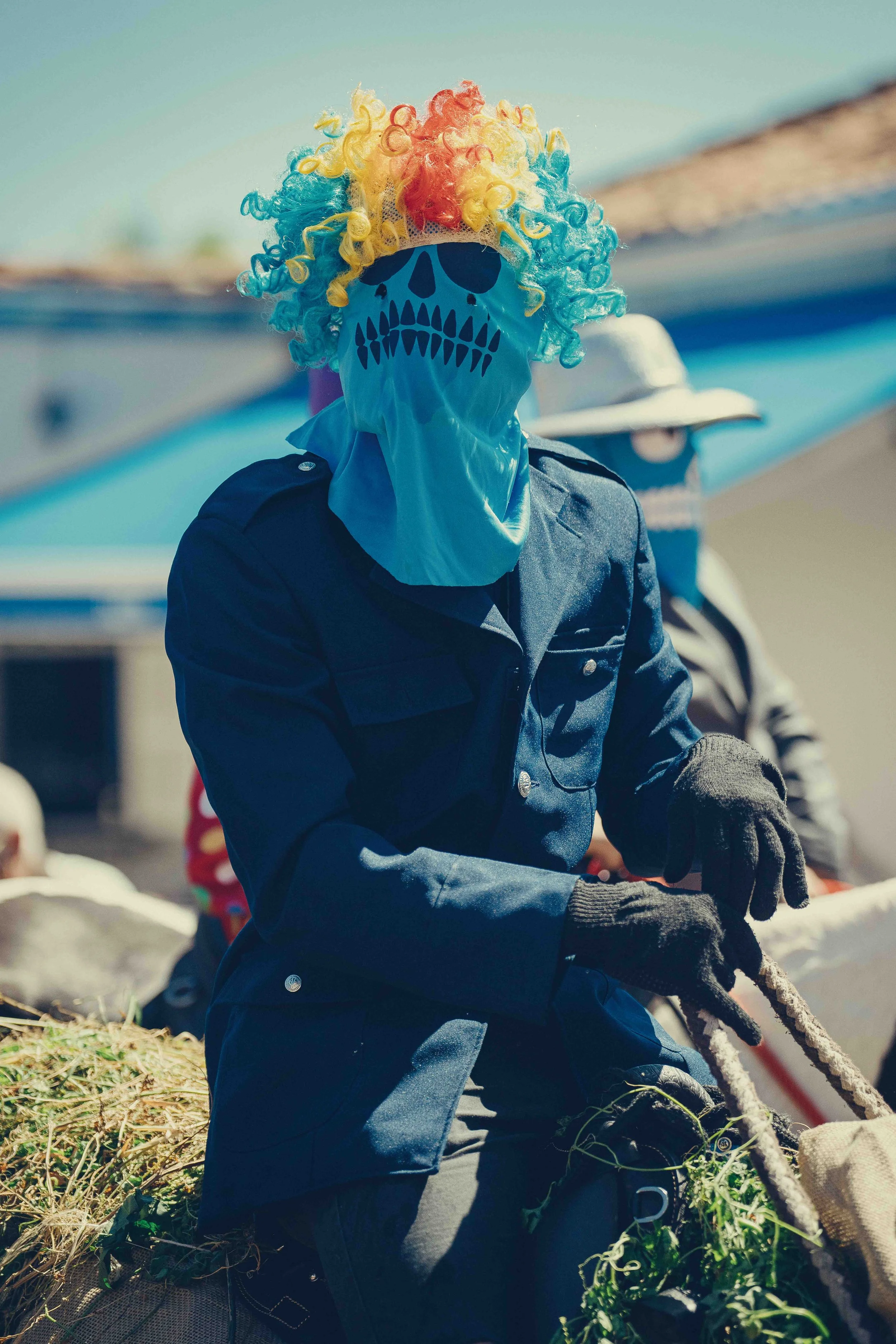
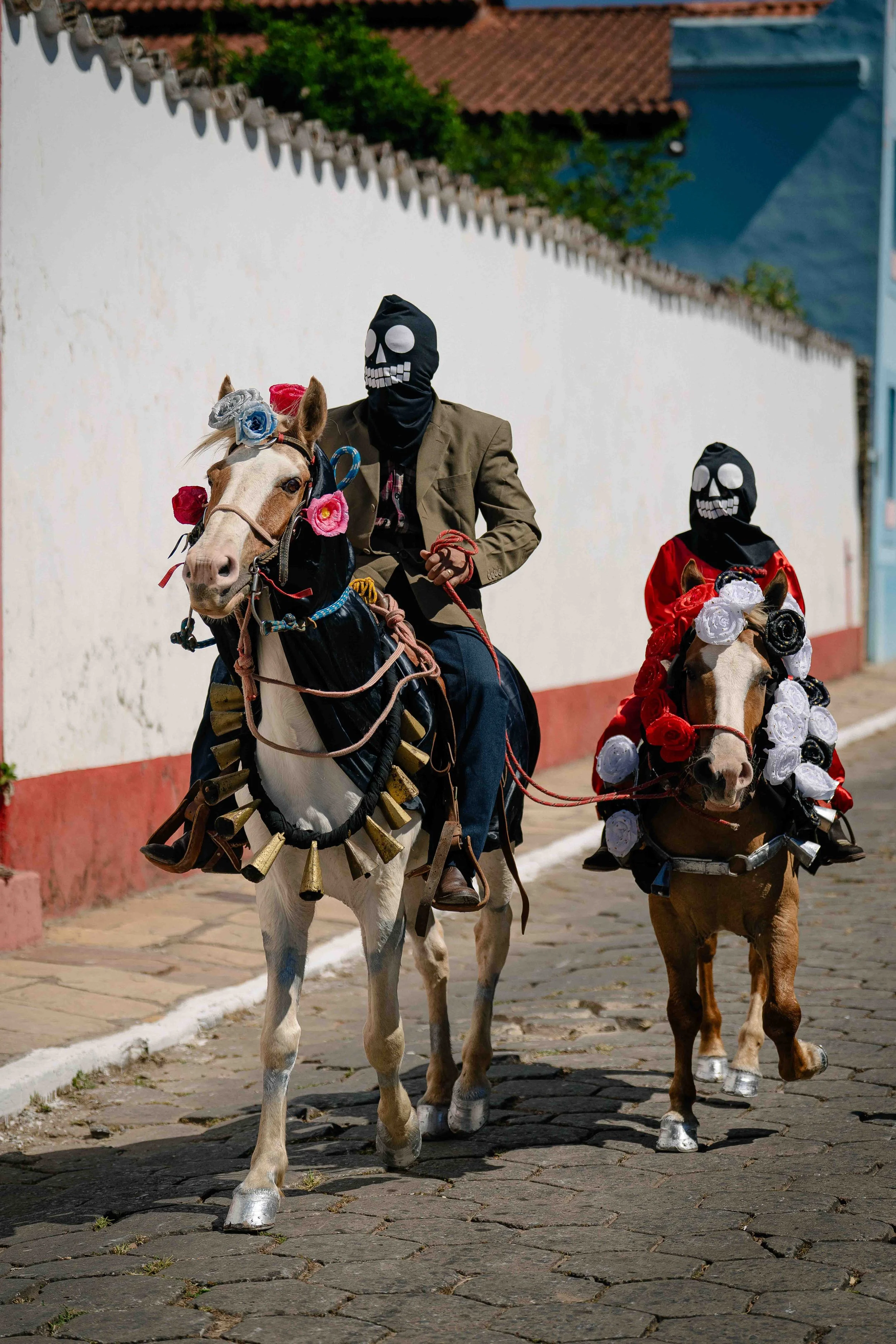
The masks are a whole bestiary. The star is the boi — a great horned ox head, hand-built and hand-painted, the emblem of the town. Beside it ride jaguars — the onça, the same beast that plays the spy in the arena — and the catulé: a hood of black cloth with eyes, nose and teeth picked out in white, a grinning skull on horseback. Some are carved wood and tooled leather, clearly the work of years; others are cardboard and scrap fabric thrown together the night before, and no less wonderful for it. There are no rules — each mask is its maker's invention, and the horses are dressed to match, ribbons and little mirrors and painted hooves. It is the most photographed thing in Pirenópolis, and the moment one wheels around to face you, you understand why.
As máscaras são um bestiário inteiro. A estrela é o boi — uma grande cabeça de boi com chifres, feita e pintada à mão, o emblema da cidade. Ao lado dele cavalgam onças — a mesma fera que faz o espião na arena — e o catulé: um capuz de pano preto com olhos, nariz e dentes desenhados em branco, uma caveira sorridente a cavalo. Algumas são de madeira entalhada e couro trabalhado, claramente trabalho de anos; outras são papelão e retalho montados na véspera, e nem por isso menos maravilhosas. Não há regras — cada máscara é invenção de quem a faz, e os cavalos vão a caráter, com fitas, espelhinhos e cascos pintados. É a coisa mais fotografada de Pirenópolis, e no instante em que uma delas se vira para te encarar, dá para entender por quê.
The name gives away the second register. They are curucucus — after the high, eerie hooting they use to hide their voices, a word that means, in local speech, a haunting. That fits. One story holds that the masks were meant to frighten off evil spirits, and the ones on foot certainly lean into it, drifting up silent behind a distracted tourist to make them jump. The anonymity is the whole point, and it is guarded fiercely — a mascarado unmasked is a joke spoiled. For three days the town fills with people who are no one in particular, and therefore free to be anyone at all.
O nome entrega o segundo registro. Eles são os curucucus — por causa do assobio agudo e esquisito que usam para disfarçar a voz, uma palavra que, no falar local, quer dizer assombração. E combina. Uma das histórias diz que as máscaras serviam para espantar maus espíritos, e os que andam a pé certamente abusam disso, surgindo de mansinho atrás de um turista distraído para fazê-lo pular. O anonimato é tudo, e é guardado com unhas e dentes — mascarado desmascarado é graça estragada. Por três dias a cidade se enche de gente que não é ninguém em particular e, por isso mesmo, pode ser qualquer um.
The mask, it turns out, answers a question the knighthood poses. If the cavaleiros are drawn from the families of standing, the mascarados are everyone else. Their likeliest roots are double — the ox-mask traditions of Trás-os-Montes and the Azores that the Portuguese carried over, braided with African inheritances brought by enslaved people — but the function is the same in either lineage. The mask let those with no formal place in the festival take part anyway, and, hidden behind it, mock the very order that shut them out. Scholars call it the carnival at Pentecost, and the name fits.
A máscara, no fim, responde a uma pergunta que a cavalaria levanta. Se os cavaleiros saem das famílias de posição, os mascarados são todo o resto. Suas raízes mais prováveis são duplas — as tradições de máscara de boi de Trás-os-Montes e dos Açores que os portugueses trouxeram, entrelaçadas com heranças africanas trazidas por escravizados — mas a função é a mesma nas duas linhagens. A máscara deixava quem não tinha lugar formal na festa participar mesmo assim e, escondido atrás dela, zombar da própria ordem que o excluía. Os estudiosos chamam isso de o carnaval no Pentecostes, e o nome cai bem.
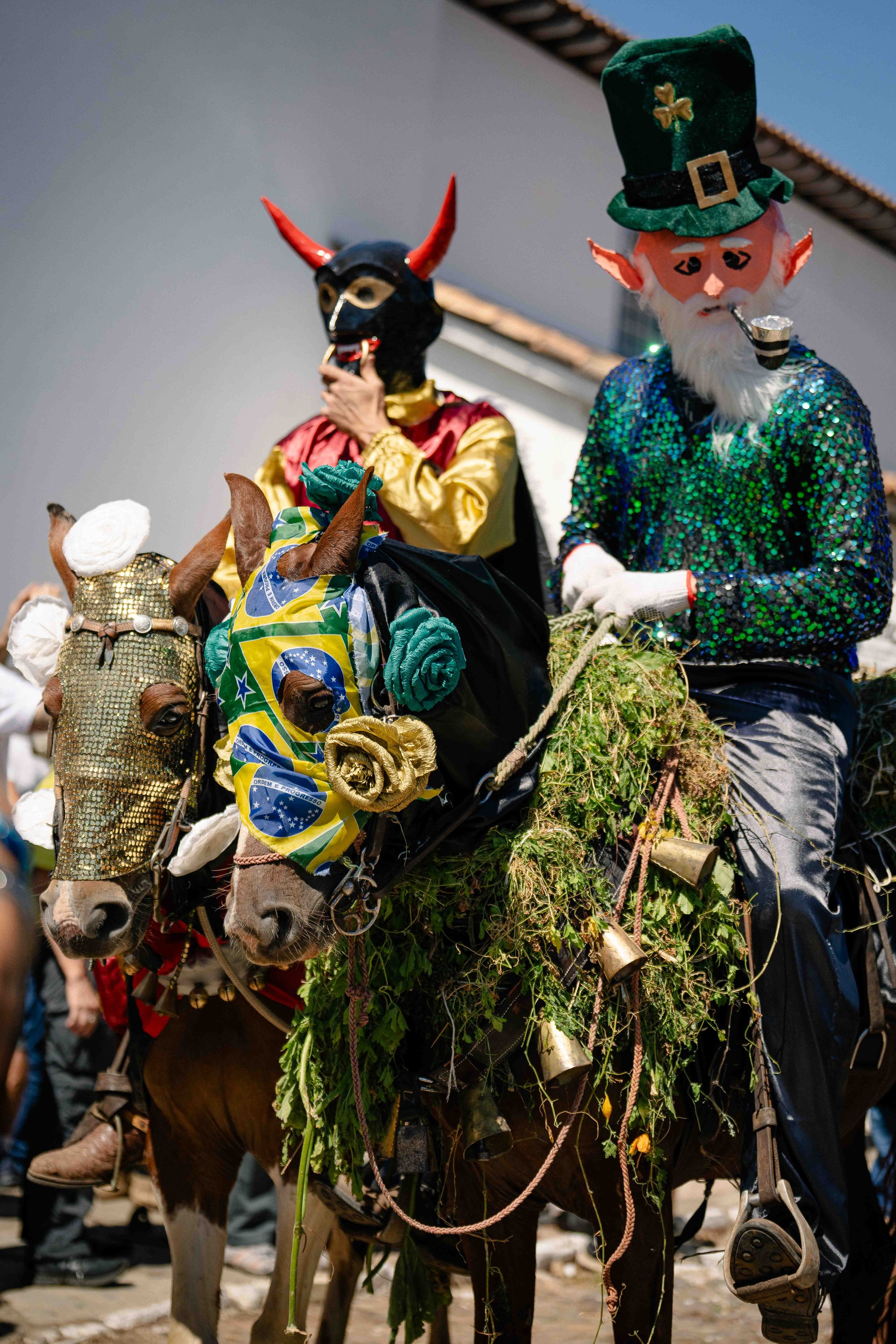
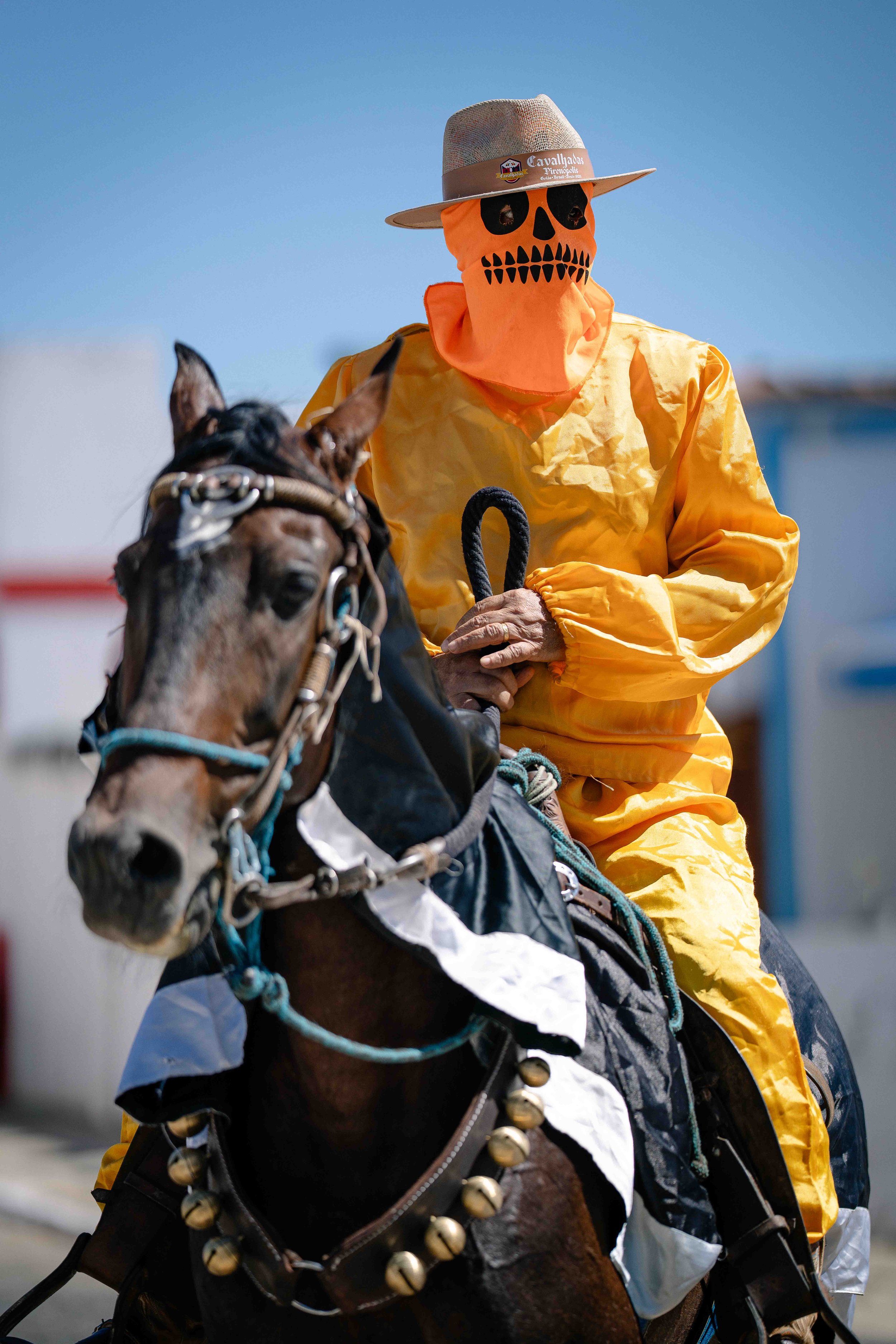
What strikes me is how shrewd that arrangement is. The mascarado is the town's release valve: a way to say the unsayable while remaining, officially, no one. Most institutions resist their critics; this one absorbs them, hands them a costume, and gives them the streets for three days. A tradition that contains its own loophole is far harder to break than one that doesn't — which may be part of why this festival has run for two centuries while so many others calcified and died.
O que me impressiona é como esse arranjo é esperto. O mascarado é a válvula de escape da cidade: um jeito de dizer o que não se pode dizer continuando, oficialmente, ninguém. A maioria das instituições resiste aos seus críticos; esta os absorve, lhes dá uma fantasia e lhes entrega as ruas por três dias. Uma tradição que carrega a própria brecha é bem mais difícil de quebrar do que uma que não carrega — o que talvez ajude a explicar por que esta festa dura dois séculos enquanto tantas outras enrijeceram e morreram.
So these frames — the oxen, the skulls, the impossible color — are not fancy dress. They are the descendants of the people the colonial order never invited to the table, masked and mounted, refusing to stay in the stands. The knights perform the official story of conquest and conversion; the mascarados tell the unofficial one, and plainly have more fun doing it.
Então essas fotos — os bois, as caveiras, a cor impossível — não são fantasia à toa. São os descendentes de quem a ordem colonial nunca chamou para a mesa, mascarados e a cavalo, se recusando a ficar na arquibancada. Os cavaleiros encenam a história oficial, de conquista e conversão; os mascarados contam a não oficial — e, claramente, se divertem muito mais fazendo isso.
None of which makes it untroubled. The town argues every year — about the fireworks and the exhausted animals and the drinking, about how far the approaching bicentenary is bending the festival toward its visitors. The Festa fills the hotels and the restaurants and draws tens of thousands of outsiders, me among them, and the same money that sustains it is quietly remaking it. It is alive, and alive things are never quite settled.
Nada disso a torna tranquila. A cidade discute todo ano — sobre os fogos, sobre os animais exaustos, sobre a bebida, sobre o quanto o bicentenário que se aproxima vem dobrando a festa em direção aos visitantes. A Festa lota os hotéis e os restaurantes e atrai dezenas de milhares de pessoas de fora, eu entre elas, e o mesmo dinheiro que a sustenta vai, em silêncio, refazendo-a. Ela está viva, e o que está vivo nunca está de todo resolvido.
What stays with me, though, is not the argument. Going back through these photographs, I find I didn't shoot a re-enactment at all. I shot a town reproducing itself — its faith in the procession, its hierarchy in the dressing of the knight, its memory and its mischief in the streets full of oxen and ghosts. The Middle Ages last here not because anyone guards them, but because every May a man lets himself be dressed in velvet and plumes and says a prayer at the Rosário, while outside, behind a horned mask and a borrowed voice, the rest of the town rides past laughing.
Mas o que me fica não é a discussão. Revendo estas fotografias, percebo que não fotografei uma reencenação. Fotografei uma cidade se reproduzindo — sua fé na procissão, sua hierarquia no vestir do cavaleiro, sua memória e sua travessura nas ruas cheias de bois e de fantasmas. A Idade Média dura aqui não porque alguém a guarde, mas porque todo mês de maio um homem se deixa vestir de veludo e plumas e reza no Rosário, enquanto lá fora, atrás de uma máscara de chifres e de uma voz emprestada, o resto da cidade passa cavalgando e rindo.